
That sinking feeling when you turn the key and hear nothing but silence – just a clicking sound or complete silence. It’s happened to nearly every driver, and it often comes down to one question: how often should you charge your car battery to prevent this frustrating situation? The truth is, your battery’s charging needs depend on multiple factors including your driving patterns, climate conditions, and battery age. Understanding these variables helps you maintain reliable starting power and extend your battery’s lifespan.
Most drivers assume their car battery fully recharges during regular driving, but short commutes and frequent accessory use create a charging deficit that accumulates over time. Without proper maintenance charging, even a relatively new battery can leave you stranded. This guide provides practical, actionable information to help you determine exactly how often to charge your specific car battery based on real-world conditions.
Weekly Battery Voltage Check
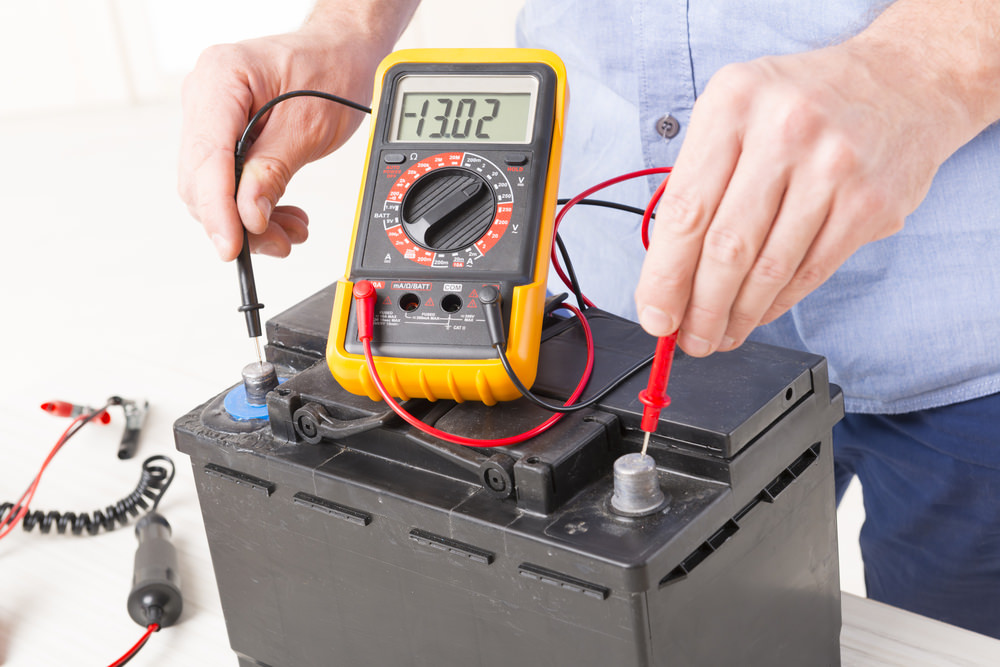
Quick Voltage Test Steps
Checking your battery’s voltage takes less than five minutes and provides crucial insight into its health. Start by turning off all lights and accessories to get an accurate reading. Set your multimeter to DC voltage in the 20V range, then connect the red lead to the positive terminal and the black lead to the negative terminal. Wait 30 seconds for an accurate reading as the battery stabilizes.
Normal readings: A healthy battery should show 12.4-12.7 volts when fully charged. Readings between 12.2-12.4 volts indicate a partially discharged battery that needs charging soon. Anything below 12.2 volts means your battery requires immediate charging to prevent damage from prolonged discharge.
Warning Signs to Watch
Pay attention to these early warning signs that your battery needs charging attention before it fails completely. Slow engine cranking where the starter sounds sluggish is one of the first indicators of insufficient charge. Dim headlights that noticeably reduce in brightness when you turn on the air conditioning signal a weak battery.
Additional electrical issues like power windows moving slower than usual or interior lights dimming when you use multiple accessories suggest your charging system can’t keep up with demand. If you hear rapid clicking sounds when attempting to start your vehicle, this means your battery has enough power to engage the starter solenoid but not enough to turn the engine over – a clear sign it needs immediate charging.
Standard Car Battery Charging Schedule
Daily Driving Conditions
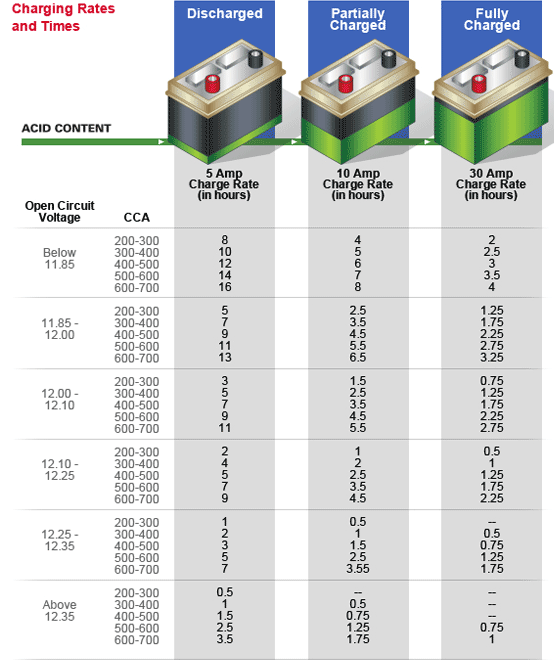
If you regularly take trips lasting 30 minutes or longer, your vehicle’s alternator should maintain proper charge levels without supplemental charging. In this scenario, monthly voltage checks provide sufficient monitoring to catch developing problems early. However, many modern drivers primarily make short trips under 15 minutes, which creates a charging deficit.
Short trip drivers should charge their battery every 2-3 weeks to compensate for incomplete charging cycles. Each time you start your car, the battery provides significant power to the starter motor, and short trips don’t allow the alternator enough time to replace this energy. This constant deficit gradually depletes your battery’s capacity until it can no longer start your vehicle.
Seasonal Adjustments
Winter conditions significantly impact your charging schedule. When temperatures drop below 32°F, your battery loses 20-50% of its capacity, requiring more frequent charging. During cold months, charge your battery every 2 weeks to maintain reliable starting power, especially if you park outdoors or make frequent short trips.
In summer months with temperatures above 90°F, heat accelerates internal corrosion and water loss in conventional batteries. While extreme heat increases charging efficiency, it also accelerates battery degradation. Charge your battery every 3-4 weeks during hot weather while monitoring fluid levels in serviceable batteries. During moderate temperatures between 50-80°F, most vehicles maintain adequate charge with monthly checks and charging as needed.
Deep Cycle vs Standard Battery Needs
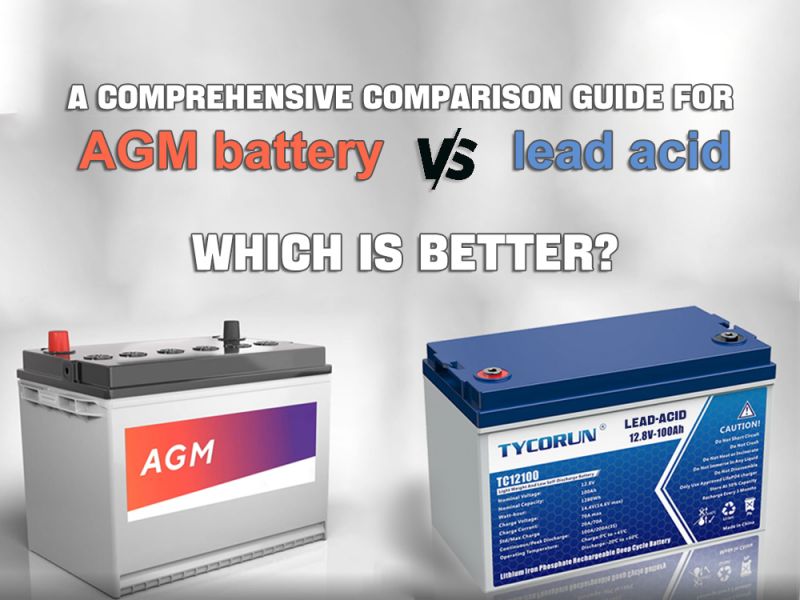
Standard Flooded Batteries
Conventional flooded lead-acid batteries require more frequent attention than newer technologies. When not driving daily, charge these batteries every 2-4 weeks to prevent sulfation. For maintenance charging, apply 13.8-14.4 volts for 12-24 hours depending on battery size and discharge level.
When performing a full charge, use 14.7 volts until the charging current drops below 2 amps, indicating the battery has reached maximum capacity. Never leave standard batteries in a discharged state for extended periods, as this causes permanent damage through sulfation – the formation of lead sulfate crystals that reduce capacity.
AGM/Gel Cell Batteries
Advanced AGM (Absorbent Glass Mat) and gel cell batteries offer maintenance-free operation with different charging requirements. These sealed batteries can go longer between charges, needing supplemental charging every 4-6 weeks when stored. Their charging voltage must stay within strict limits – never exceed 14.8 volts to prevent damage to the internal structure.
One advantage of AGM batteries is their faster charging capability, reaching full charge approximately 50% faster than conventional flooded batteries. They also handle partial state of charge better, making them more resilient to the effects of short trips. However, they require precise charging equipment designed for their specific voltage requirements.
Trickle Charger Setup for Storage
Choosing Your Equipment
When storing your vehicle for extended periods, a smart trickle charger provides the best protection for your battery. These intelligent chargers automatically adjust voltage and prevent overcharging through features like float mode switching that reduces voltage after full charge is achieved.
Look for models with temperature compensation that adjusts charging voltage based on ambient conditions, reverse polarity protection to prevent damage if clamped incorrectly, and spark-free connections for safety. Manual chargers require constant monitoring and timely disconnection after charging completes, making them less suitable for long-term storage.
Storage Duration Guidelines
For vehicles stored 1-3 months, trickle charging is optional if your battery is in good condition and you’ve performed a full charge before storage. Between 3-6 months of storage, trickle charging becomes recommended to maintain battery health. For storage periods exceeding 6 months, continuous trickle charging becomes essential for battery survival, as even quality batteries self-discharge at 1-5% per month depending on temperature.
Climate Impact on Charging Needs
Extreme Cold Effects
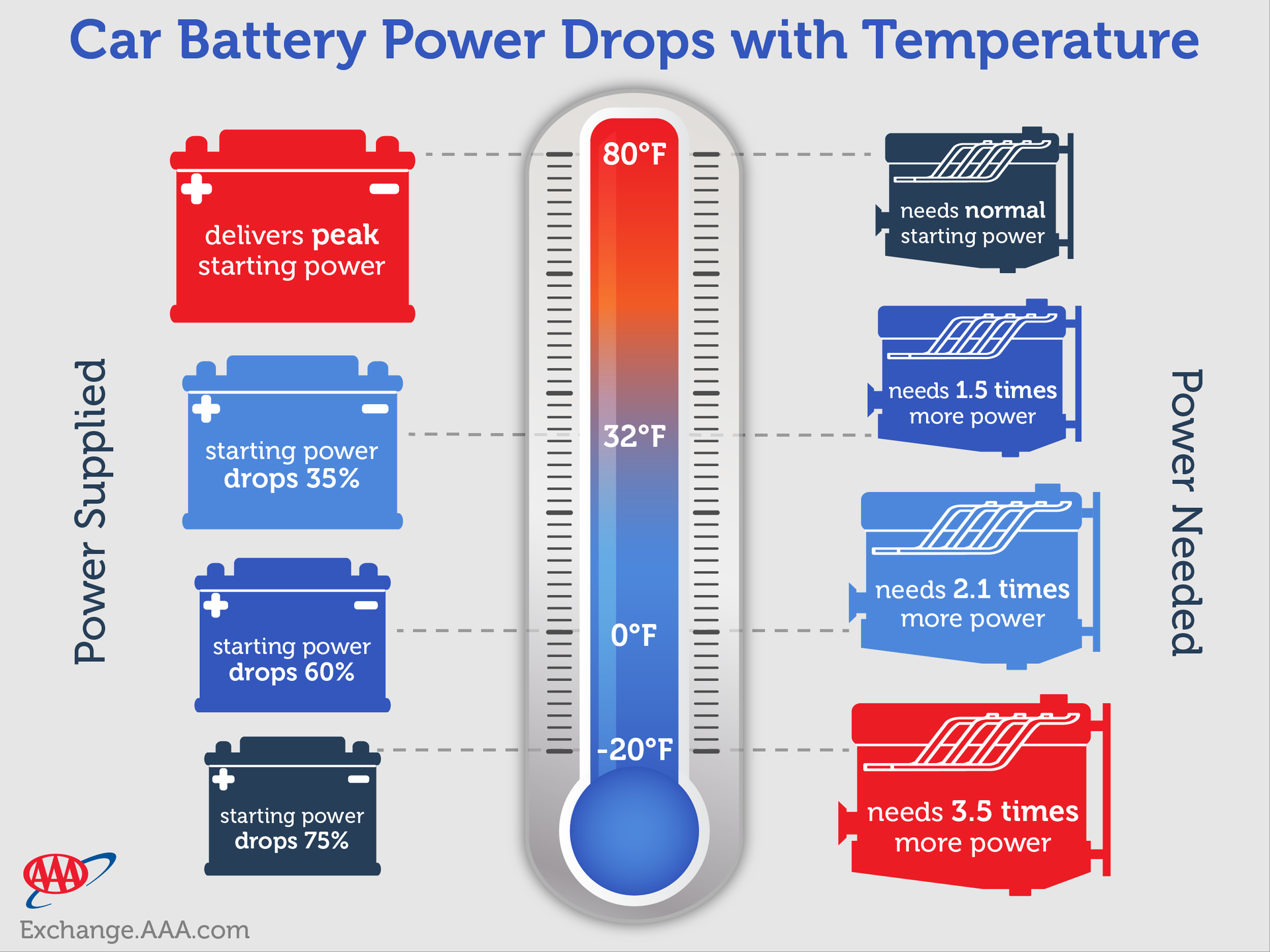
Cold temperatures dramatically reduce your battery’s available capacity – it loses approximately 35% capacity at 32°F compared to 80°F. In northern climates, increase your charging frequency by 50% from October through March. Consider installing a plug-in battery warmer for vehicles parked in sub-zero temperatures, as maintaining battery temperature just 20°F warmer significantly improves performance.
Parking in a garage provides substantial benefits, maintaining battery temperature 20-40°F warmer than outdoor conditions. This simple measure reduces the frequency of required charging and dramatically improves cold-weather starting reliability.
Hot Weather Challenges
While heat improves charging efficiency, it accelerates chemical reactions inside the battery that cause permanent damage. High temperatures increase the rate of water loss in conventional batteries and accelerate internal corrosion. During summer months, check fluid levels monthly on serviceable batteries and top up with distilled water as needed.
Parking in shade significantly reduces under-hood temperatures that can exceed 150°F on hot days. In extreme heat, perform voltage tests weekly rather than monthly, as heat can mask battery degradation until it suddenly fails. Many batteries that appear functional in summer fail unexpectedly when temperatures drop in fall.
Battery Age and Charging Frequency
New Batteries (0-2 years)
New batteries require minimal supplemental charging under normal driving conditions. When storing a vehicle, charge new batteries every 2-3 months as they self-discharge at less than 0.1V per month. These batteries typically maintain sufficient charge from regular driving alone.
Aging Batteries (3-5 years)
As batteries approach mid-life, their ability to hold a charge diminishes. Double your charging frequency compared to when the battery was new. If you find yourself needing to charge your 3-5 year old battery every 1-2 weeks under normal use, this signals significant degradation.
Failing Batteries (5+ years)
Batteries older than five years often require weekly charging attention just to maintain functionality. At this stage, replacement becomes more cost-effective than frequent charging, as the battery’s reduced capacity means it discharges more quickly. Perform load tests every six months on aging batteries to determine if replacement is necessary.
Warning Signs You Need Charging NOW
Visual Indicators
Corroded terminals with white or blue crusty buildup restrict electrical flow and indicate charging problems. A swollen battery case suggests overcharging or excessive heat damage. For serviceable batteries, fluid levels below the top of the lead plates expose internal components to air, causing permanent damage.
Performance Symptoms
Slower cranking than normal is one of the earliest warning signs of insufficient charge. If your radio presets disappear or your clock resets regularly, your battery isn’t maintaining sufficient charge between drives. An illuminated charging system warning light on your dashboard requires immediate attention, as it indicates problems with either the battery or charging system.
Seasonal Maintenance Calendar
Follow this seasonal schedule to keep your battery in peak condition year-round. In spring, test your battery after winter stress and clean terminals from road salt corrosion. During summer, monitor fluid levels monthly and park in shade whenever possible. Fall is the time for pre-winter full charging and terminal protection application. In winter, perform weekly voltage checks and keep your battery fully charged, especially in extreme cold.
Regular battery maintenance prevents approximately 70% of roadside breakdowns related to electrical systems. Your specific charging schedule depends on your unique combination of climate, driving patterns, and battery age. Start with monthly voltage checks, then adjust based on your battery’s performance indicators. Remember, consistent light maintenance beats emergency repairs every time – a few minutes of prevention saves hours of inconvenience when your car won’t start.