
Stranded with a dead battery and no jumper cables in sight? You’re facing one of the most common roadside emergencies—AAA reports over 32 million drivers get stuck annually due to failed batteries. But here’s the good news: you don’t need cables or another vehicle to revive your car. Whether you drive a manual transmission or a modern automatic, have a portable jump pack or just a sunny parking spot, proven methods exist to get you moving in minutes. This guide cuts through the confusion with actionable, cable-free solutions that actually work. You’ll discover exactly when to push-start your manual car, how to safely use portable jump boxes on any vehicle, and why solar charging could save you during a weekend trip. Most importantly, you’ll learn critical safety steps most guides skip—like why connecting to the negative terminal risks explosions.
Push-Start Manual Cars Without Cables
Manual transmissions give you a unique lifeline when batteries die: push-starting harnesses your car’s momentum to fire the engine without electrical assistance. This method bypasses the dead battery entirely by using wheel rotation to spin the engine through the transmission—no external power needed. But it only works under specific conditions, and improper technique can damage your clutch or leave you rolling into traffic.
When Push-Start Works Best
Forget flat parking lots—your success hinges on physics, not luck. You need either a 5-10° downhill slope (even a slight driveway incline qualifies) or 2-4 strong helpers to generate 5-10 mph of momentum. Crucially, this only works for manual transmissions; automatics have hydraulic torque converters that decouple the engine from the wheels below idle speed. If your ignition system has power (dashboard lights illuminate when turning the key), you’re ready. But if the battery’s completely dead (no lights, no sound), even push-starting fails—you’ll need a jump box instead.
Step-by-Step Push-Start Process
.png)
1. Position and Prepare
Park at the top of any slope or gather helpers behind the rear bumper. Turn your key to “ON” (not “START”)—you should see dashboard lights. Press the clutch fully and shift into second gear, not first. Second gear reduces shock to the drivetrain and prevents stalling. Keep the parking brake engaged until helpers signal they’re ready.
2. Build Momentum
On slopes, release the parking brake and let gravity accelerate you to 5-10 mph. On flat ground, have helpers push until you reach this speed (SUVs need 10-15 mph). Critical tip: Maintain light pressure on the gas pedal during the roll—it provides fuel for combustion when you pop the clutch.
3. Engage the Engine
At target speed, suddenly release (“pop”) the clutch while keeping the key in “ON.” The engine should catch within 1-2 seconds. Immediately depress the clutch again and gently rev to 1,500 RPM to stabilize idle. If it sputters but dies, repeat at higher speed—your battery might be too weak to sustain ignition.
4. Handle Failures
Three failed attempts usually mean the battery voltage is critically low (<10.5V), preventing spark or fuel delivery. Stop immediately—forcing it risks burning out the starter relay. Switch to a jump box or roadside assistance.
Safety During Push-Starts
Without power steering or brakes, your car becomes dangerously hard to control. Pump the brake pedal 5-6 times right after starting to rebuild vacuum assist. Steering will feel like turning a boulder—use both hands and avoid sharp turns until the engine idles steadily. Never attempt this on busy roads; find a quiet side street or empty parking lot first.
Portable Jump Starters: Modern Cable Replacement
Portable lithium jump starters have eliminated the jumper cable dilemma for all vehicle types. These palm-sized power packs deliver 200-2,000 amps instantly—enough to crank even large V8 engines—and include safety features traditional cables lack. But choosing the wrong model or misconnecting it can cause catastrophic failure.
Choosing the Right Jump Box
Match the unit to your engine size to avoid dangerous underpowering:
– 4-cylinder cars: Minimum 200 cranking amps (e.g., NOCO Boost Plus GB40)
– V6 or light-duty diesel: 400+ cranking amps
– Full-size trucks/SUVs: 600-800+ cranking amps
Prioritize these features:
– Reverse-polarity alarms that prevent sparking when clamps touch wrong terminals
– Spark-proof technology (e.g., Noco’s Safety Connect)
– 12V socket for charging phones during extended waits
– 500-lumen LED flashlight for nighttime emergencies
Safe Jump Box Operation
Pre-Connection Safety
Always inspect your battery first—if it’s cracked, swollen, or leaking acid, do not proceed. Hydrogen gas buildup could cause an explosion. Remove rings/watches, put on safety goggles, and connect the black clamp to unpainted metal on the engine block (never the negative terminal). This avoids sparks near the battery where gas accumulates.
Starting Sequence
1. Turn OFF the jump box and your car’s ignition
2. Connect red clamp to positive (+) terminal
3. Attach black clamp to engine block
4. Turn ON the jump box—wait for “Ready” indicator
5. Crank for 5 seconds max; wait 2 minutes between attempts
6. Once running, turn OFF the jump box before disconnecting clamps
Critical mistake: Removing the red clamp first. Always disconnect black first to prevent short circuits through your tools.
Jump Box Maintenance
Recharge after every use—even if the indicator shows “full.” Lithium cells degrade if stored below 20% charge. Store at 50-80% charge in your glove box (avoid extreme heat in trunks). Test it quarterly by starting your car cold—most units last 3-5 years with proper care.
Solar Charging Through 12V Outlets
Solar charging won’t jump-start your car instantly, but it’s a silent, fuel-free way to recharge batteries during daylight hours. However, 70% of modern cars block this method because their 12V sockets shut off after 30 minutes with ignition off. Test yours first: plug in a phone charger—if it powers up with the car off, you’re set.
Solar Setup Requirements
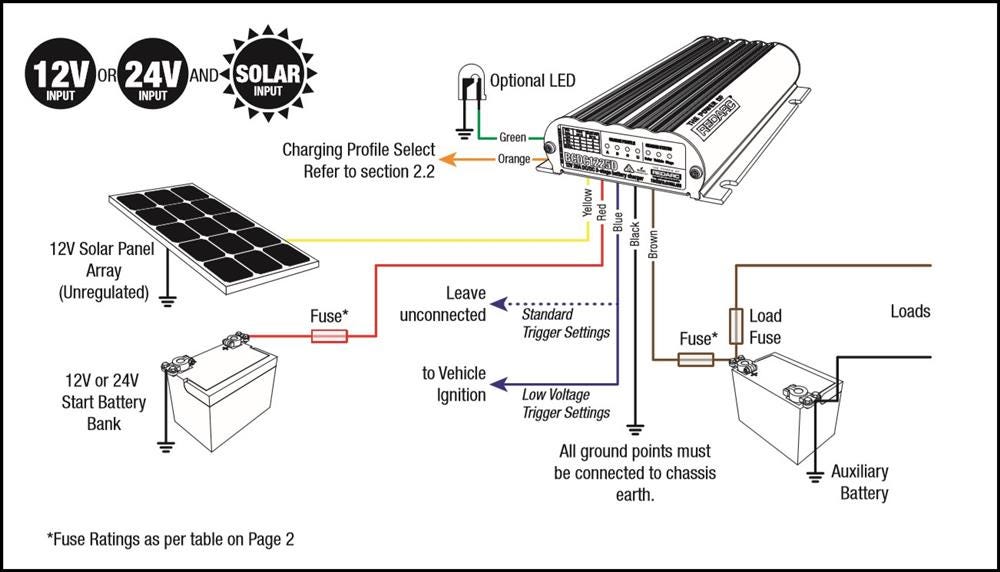
Use a monocrystalline panel (20-200W) for efficient charging in partial shade. Essential accessories include:
– A 12V plug with reverse-current diode (prevents battery drain at night)
– Heat-resistant adapter (dash temperatures can melt cheap plugs)
– Optional charge controller for panels over 20W
Charging Process and Timing
Position the panel at a 30-45° angle facing the sun—laying it flat on the dashboard cuts efficiency by 40%. A 100W panel in full summer sun will restore a half-dead 45Ah battery in 8-10 hours. Cloudy days? Expect 3-4x longer charging. Never start the engine while connected—voltage spikes can fry the panel. Check voltage with a multimeter: 12.4V+ means you’re ready to drive.
AC Battery Chargers: Garage Solution
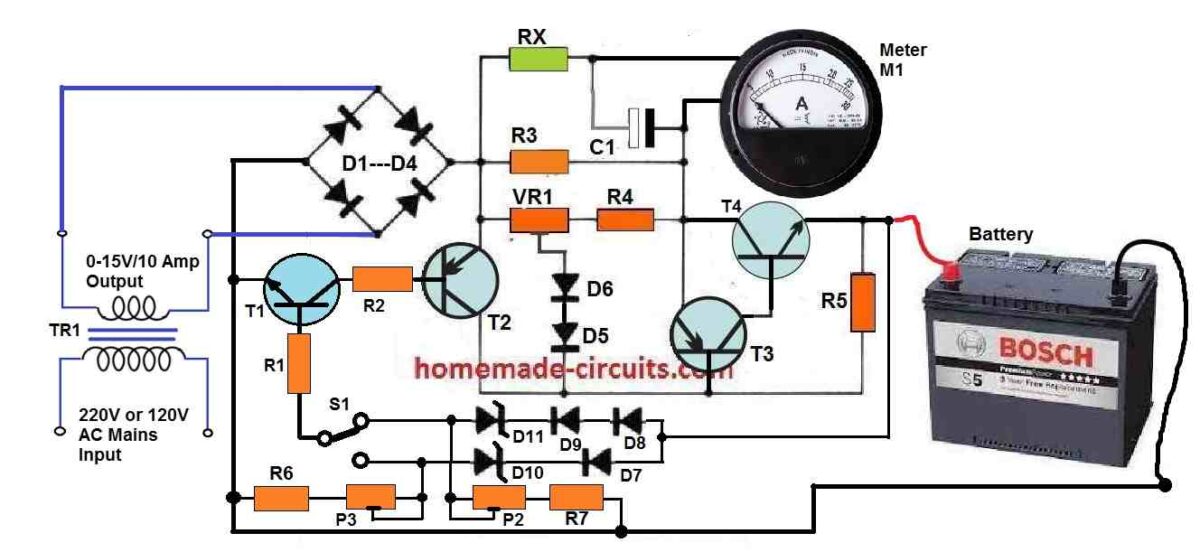
When you’re home or have outlet access, smart chargers provide the safest, most thorough recharge. Unlike jump boxes, they condition batteries to extend lifespan—critical if yours dies repeatedly.
Safe Charging Procedure
- Locate your battery (check under rear seats in some BMWs or Mercedes)
- Connect red to positive terminal, black to chassis ground
- Select “AGM mode” if your battery isn’t standard lead-acid
- Charge times:
– 10A setting: 2.5 hours for half-dead 45Ah battery
– 2A trickle: 12+ hours for maintenance
Pro tip: Smart chargers (like NOCO Genius) auto-switch to “float mode” at 13.6V—this prevents overcharging that warps battery plates. Never leave manual chargers unattended.
Quick Decision Matrix for Stranded Drivers
| Your Situation | Best Method | Time Required | Critical Warning |
|---|---|---|---|
| Manual car on hill | Push-start | 5 minutes | Never pop clutch in 1st gear—transmission shock risks damage |
| Any car, jump box available | Portable starter | 3 minutes | Black clamp MUST connect to chassis—terminal sparks cause explosions |
| Sunny day, no urgency | Solar charging | 8+ hours | Verify 12V socket stays live with ignition off first |
| Garage access | AC smart charger | 2-15 hours | Use AGM mode for modern batteries—standard settings ruin them |
Prevention Strategies for Next Time
Carry these essentials:
– Lithium jump starter (600A+ peak) in your glove box—test it monthly
– Bluetooth battery monitor (e.g., Tycda BT-1) for real-time health alerts
– Mini toolkit with wire brush and dielectric grease
Replace batteries proactively at 4-5 years—even if they “seem fine.” Cranking amps degrade silently; 70% of roadside failures happen in batteries older than 4 years. Watch for slow cranking on cold mornings or dim headlights that brighten when revving—these signal imminent death.
A dead battery doesn’t have to mean hours of waiting. With a manual car, you can push-start in minutes using gravity or helpers. For any vehicle, a $50 jump box beats begging strangers for cables. And if you’re parked in sunlight, solar charging might get you home by dinner. The real key? Preparation beats panic. Keep a jump starter charged in your glove box, learn your car’s battery location, and test 12V socket functionality now. Next time that dreaded “click-click” sound happens, you’ll be the one helping others—not waiting for help. Remember: The best emergency tool isn’t cables; it’s knowing exactly what to do when they’re not there.


