

Your BMW won’t start, dashboard lights are dead, and panic sets in when you realize the battery’s hidden in the trunk. You’re not alone—thousands of BMW owners face this exact scenario every winter. Unlike conventional vehicles, most BMWs from the 2000s onward tuck their battery behind trunk panels for better weight distribution and safety. But when that battery dies, accessing it feels like solving a high-stakes puzzle. The good news? Charging your trunk-mounted BMW battery is straightforward once you know the exact locations and procedures. This guide reveals three proven charging methods that bypass dealership fees and get you back on the road safely.
Stop guessing where to connect your charger or worrying about damaging expensive electronics. You’ll discover precisely how to locate your hidden battery in under 60 seconds, avoid dangerous mistakes during charging, and implement foolproof maintenance that prevents future dead batteries. Whether you’re stranded in a parking lot or prepping for winter storage, these BMW-specific techniques work for E90, F30, G20, and most models with trunk-mounted batteries. Let’s turn that dead battery into reliable power.
Find Your BMW’s Trunk Battery in 60 Seconds
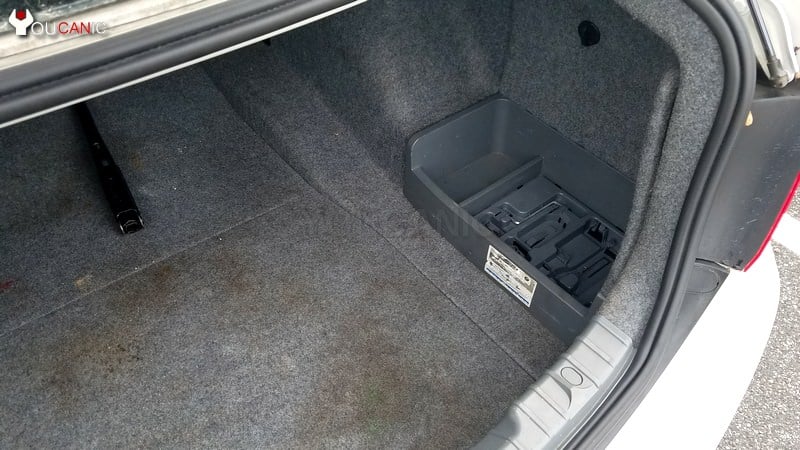
Right-Side Trunk Access Points (No Tools Needed)
Your BMW’s battery isn’t actually “in” the trunk—it’s concealed behind panels on the right side where most owners never look. Here’s exactly where to check first:
- Under the trunk floor carpet: Grab the pull tab near the spare tire well and lift straight up—you’ll hear plastic clips release
- Behind the right-side lining: Press firmly on the lower edge of the trunk panel until plastic retaining clips pop out
- Spare tire compartment: Rotate or lift the spare tire cover to reveal a battery-shaped cavity
Pro tip: If your trunk light still works when opened, you have enough residual power to locate the battery. Shine a flashlight along the right trunk wall looking for a red “+” symbol or “BATTERY” label molded into plastic covers. No light? Use your phone flashlight—never create sparks with matches near a dead battery.
Avoid Panel Damage During Access
Forcing panels causes expensive plastic breaks. Instead, use this sequence:
1. Lift floor panel: Place palms flat on the carpeted trunk floor and pull upward near the right-side edge
2. Release side clips: Insert a plastic pry tool (or credit card) at the bottom edge of the right trunk liner and gently twist
3. Remove cover: Once clips release, lift the battery cover straight up—it snaps into place but requires zero force
Critical visual cue: If you see thick black cables leading to a rectangular black box (not the spare tire), you’ve found the battery compartment. BMW’s design intentionally hides this from casual view—don’t mistake the fuse box for the battery.
Critical Safety Steps Before Connecting Charger

Non-Negotiable Pre-Charging Checklist
Skipping these steps risks battery explosion or electrical damage to your BMW’s sensitive systems. Complete all before touching clamps:
- Confirm engine OFF: Verify dashboard is completely dark—no ambient lighting
- Remove key fob: Place it inside your house or 50+ feet from the vehicle (keyless systems can reactivate)
- Ventilate trunk: Open all doors and let air circulate for 5 minutes minimum
- Wear protection: Safety glasses and insulated rubber gloves (not winter gloves)
- Clear hazards: Remove floor mats, luggage, or anything flammable from trunk area
Red flag: If you smell rotten eggs (sulfur), stop immediately and ventilate for 15 minutes. Hydrogen gas buildup requires professional handling.
Fire Prevention Essentials
BMW trunk batteries contain high-density AGM cells that can ignite when mishandled. Always:
– Keep a Class C fire extinguisher within arm’s reach (not water-based)
– Never allow metal tools to touch both terminals simultaneously
– Check for terminal corrosion—white/blue powder indicates acid leakage needing neutralization
– Charge only in temperatures above 32°F (0°C) to prevent thermal runaway
3 Verified Methods to Charge BMW Trunk Battery
Method 1: Direct Trunk Charging (Most Reliable)
Equipment Checklist
- AGM-compatible smart charger (NOCO Genius2 or CTEK MXS 5.0)
- 12-gauge extension cord (if outlet is distant)
- Terminal cleaning brush ($5 at auto parts stores)
- Digital multimeter ($20)
Step-by-Step Connection
- Clean terminals: Scrub positive (+) and negative (-) posts with wire brush until shiny metal shows
- Attach RED clamp: Secure to positive terminal (marked with red plastic or “+”)
- Attach BLACK clamp: Connect to negative terminal (marked black or “-“)
- Set charger: Select “AGM” mode (critical for BMWs) and 2-4 amp rate
- Start charge: Allow 4-8 hours for full recovery—smart chargers auto-stop
- Disconnect: Remove BLACK clamp first, then RED
Time-saver: Pre-clean terminals monthly to avoid corrosion buildup. First-time access takes 15 minutes; subsequent charges take 5 minutes.
Method 2: Engine Bay Jump Posts (No Trunk Access Needed)
Locate Hidden Charging Ports
BMW engineers added remote jump points under the hood connected directly to your trunk battery:
- Positive post: Red plastic cap near fuse box (lift cap to expose metal post)
- Negative post: Unpainted metal bolt on engine strut tower (not the battery symbol)
Safe Engine Bay Charging
- Open hood using interior release lever
- Connect RED charger clamp under red positive cap
- Attach BLACK clamp to metal strut tower bolt
- Set charger to AGM mode and 4 amps
- Monitor until full charge completes
Why this works: Thick-gauge cables run from these posts to your trunk battery. Use this method when your trunk is packed or you can’t access the trunk panel.
Method 3: Permanent Trickle Charging for Storage
Install Quick-Connect Harness
For vehicles stored over 2 weeks:
1. Attach ring terminals to battery posts inside trunk
2. Route cable through trunk seal grommet to license plate area
3. Secure with plastic zip ties (never metal)
4. Connect Battery Tender Junior maintainer
Critical detail: Only use 0.5-2 amp “float mode” chargers. Higher amps damage BMW’s sensitive charging system. This $30 setup prevents 90% of dead-battery emergencies.
AGM vs. Lead-Acid: Why Your BMW Battery Type Matters
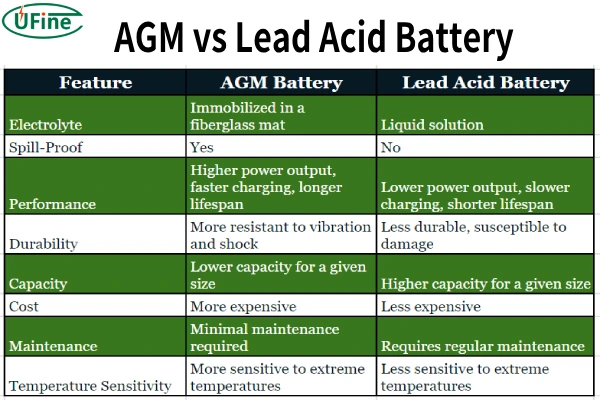
Identify Your Battery in 10 Seconds
- AGM (most common): Labels say “Absorbent Glass Mat” or “AGM”; case is rectangular with no vents
- Lead-acid: Older models; has removable vent caps and rounded edges
Mistake to avoid: Using a standard charger on AGM batteries causes sulfation and premature failure. Always select “AGM” mode—your BMW’s computer expects this voltage profile.
Battery Registration Warning
Post-2002 BMWs require electronic registration after charging:
– Symptoms if skipped: “Check Charging System” warnings, shortened battery life
– DIY fix: Use BimmerCode app ($10) with OBD2 scanner to register new specs
– Dealer cost: $150+ for same procedure
Troubleshooting Failed Charging Attempts
Charger Shows “No Battery” Error
This means your charger detects insufficient voltage. Check:
– Terminal cleanliness: Even thin corrosion layers block connection
– Battery voltage: Must read >10.5V on multimeter (below 10V indicates dead cell)
– AGM setting: 80% of “no battery” errors stem from incorrect charger mode
Slow Charging in Cold Weather
Batteries charge 60% slower below 40°F. Solutions:
– Bring battery indoors for 1 hour before charging
– Use garage heater to warm trunk area to 50°F+
– Never charge below freezing—causes permanent damage
Monthly Maintenance That Prevents Dead Batteries
5-Minute Terminal Inspection
- Lift trunk floor panel
- Check for white/blue corrosion on posts
- Verify voltage reads 12.6V+ with multimeter
- Tighten loose terminal bolts with 10mm wrench
Pro tip: Spray terminals with CRC Battery Terminal Protector after cleaning—it repels moisture for 6 months.
Storage Protocol by Duration
- 1-4 weeks: No action needed
- 1-6 months: Connect Battery Tender Junior
- 6+ months: Remove battery, store at 50% charge in climate-controlled space
When to Call BMW Professionals
Skip DIY If You See:
- Multiple dashboard warnings (indicates parasitic drain)
- Swollen battery case (immediate replacement needed)
- New vehicle under warranty (DIY voids coverage)
- Persistent “Service Engine Soon” light after charging
Cost comparison: A $50 smart charger pays for itself after one dealer visit ($150+ for basic charging). But for complex electrical issues, professional diagnostics ($100-$200) prevent costly mistakes.
Final Note: Charging your BMW trunk battery safely takes under 30 minutes once you know the hidden access points and AGM-specific requirements. The key is using the right charger settings and never skipping safety steps—BMW’s electronics demand precision. Implement the monthly terminal inspection and permanent trickle charger for long-term storage, and you’ll avoid 95% of dead-battery emergencies. Keep this guide in your glovebox (or save it to your phone), and you’ll never pay for a roadside assistance call again. For BMW-specific battery registration, explore OBD2 apps like Carly—your $30 investment saves $150 dealer fees while keeping your vehicle’s brain properly calibrated.


