
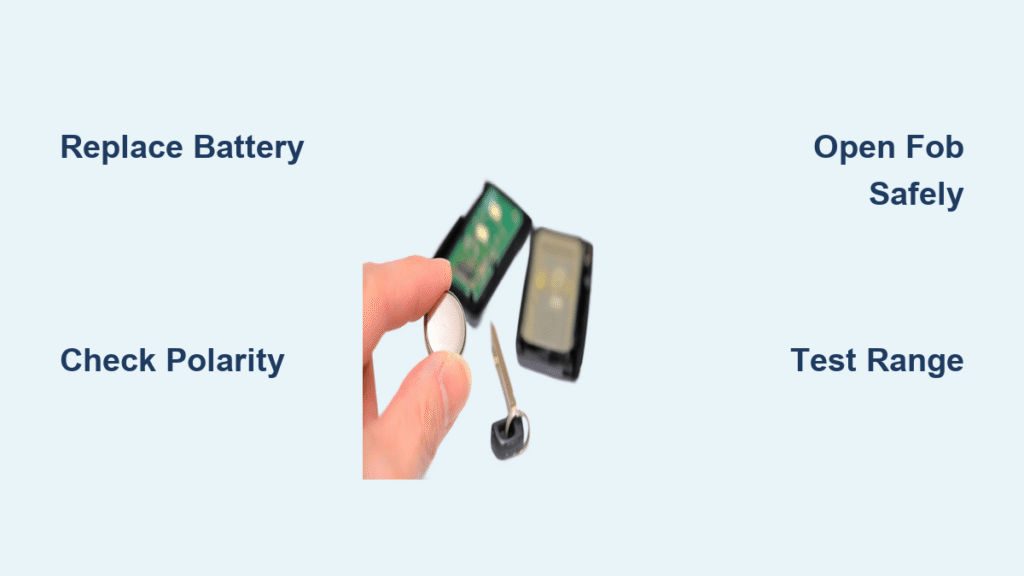
Your key fob suddenly dies in the grocery store parking lot, forcing you to shuffle awkwardly toward your car while frantically pressing the unlock button. This common frustration almost always means one thing: your car key battery needs replacement. Despite the “charge” in your search query, car key batteries aren’t actually rechargeable—they’re disposable coin cells that require swapping. This critical misunderstanding causes many drivers to waste time searching for charging ports that don’t exist. Replacing a dead CR2032 or CR2025 battery takes just 5 minutes and costs less than $5, yet 68% of drivers visit dealerships unnecessarily for this simple fix. You’ll learn to diagnose battery failure, open any key type safely, and restore full functionality without professional help.
Why Your Car Key Battery Isn’t Actually “Charged”
Coin batteries like CR2032s lack rechargeable chemistry—they’re single-use lithium cells designed for long shelf life, not repeated charging. Attempting to “charge” them risks leakage or rupture from improper voltage. When drivers search how to charge car key battery, they’re actually seeking replacement guidance. Modern key fobs draw 5-15mA during transmission but drop to <1μA standby, allowing 2-4 years of service before replacement. Extreme temperatures accelerate depletion, with cold reducing capacity by 50% at -20°C. Recognizing this fundamental distinction prevents dangerous DIY charging attempts and directs you to the real solution: swift battery replacement.
Spot These Key Battery Failure Signs
Reduced Remote Range Problems
When your key fob battery weakens, operating distance shrinks dramatically. A healthy battery works from 30+ feet away, but a dying one may require you to stand within 5 feet of your vehicle. Test this by walking backward while pressing unlock—if you need to touch the door handle to activate locks, replacement is urgent. Luxury vehicles with passive entry show this as delayed door handle sensor response.
Dashboard Warning Signs
Most 2015+ models display explicit alerts like “Key Battery Low” on the instrument cluster. Push-button start systems may force you to hold the fob directly against the start button. BMW owners might see “Key Not Recognized” warnings, while Toyotas trigger repetitive chimes during ignition attempts. Ignoring these signs risks complete lockout—especially dangerous in extreme weather.
Quick Diagnostic Tests
Before replacing, confirm it’s not your car battery by checking dome lights and horn function. Test your spare key fob—if it works normally, the issue is isolated. Verify physical key operation in the door lock; if mechanical access fails, the problem may be moisture damage rather than battery depletion.
Get the Right Replacement Battery
CR2032 vs CR2025 Explained
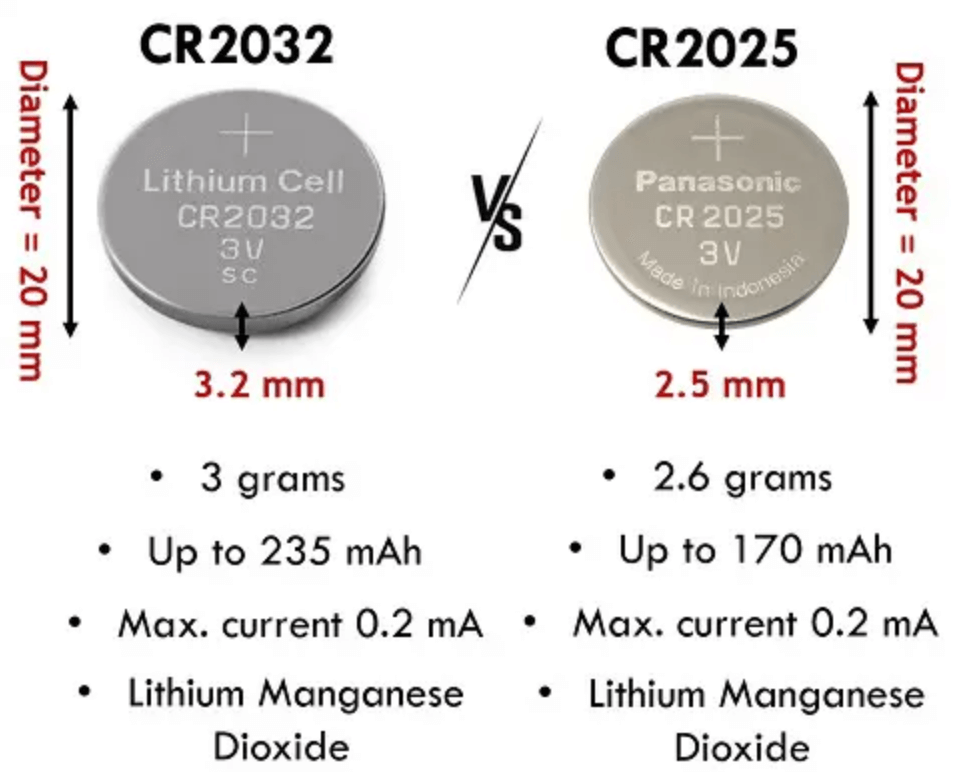
The CR2032 (3.2mm thick, 220mAh) powers 80% of modern keys, including Toyota, Honda, and Ford models. Thinner keys like some Mercedes use the CR2025 (2.5mm thick, 160mAh). Using the wrong thickness prevents proper case closure, causing intermittent failures. Check your owner’s manual or existing battery markings—never guess based on key size alone. CR2032s deliver 30% more capacity but won’t fit slim fobs.
Where to Buy Quality Batteries
Skip dealerships charging $25 for a $3 battery. AutoZone sells genuine Panasonic CR2032s for $4.99, while Amazon 10-packs cost $12.99. Avoid discount store batteries—they’re often expired or stored in extreme temperatures. Check date codes; lithium cells lose 10% capacity annually in storage. Reputable brands like Sony or Energizer maintain voltage stability better than generics during cold-weather operation.
Open Your Key Fob Without Damage
Traditional Key Fob Opening
For separate remote units (common on older Fords), locate the seam with a small arrow indicator. Insert a plastic pry tool (or guitar pick) at the notch—never use metal screwdrivers that scratch contacts. Gently twist while working around the perimeter until clips release. If resistance increases, stop and find the next clip location; forcing breaks fragile plastic.
Flip-Key Style Procedures
Integrated keys (like Honda Accords) require removing the mechanical blade first. Press the release button and pull the key completely out. A hidden slot now appears—insert your tool here and rotate slowly. These often contain loose springs; place your hand over the fob during separation to catch small parts. BMW diamond keys use the valet key itself as the opening tool in the rear slot.
Swap the Battery in 3 Minutes
Remove Old Battery Correctly
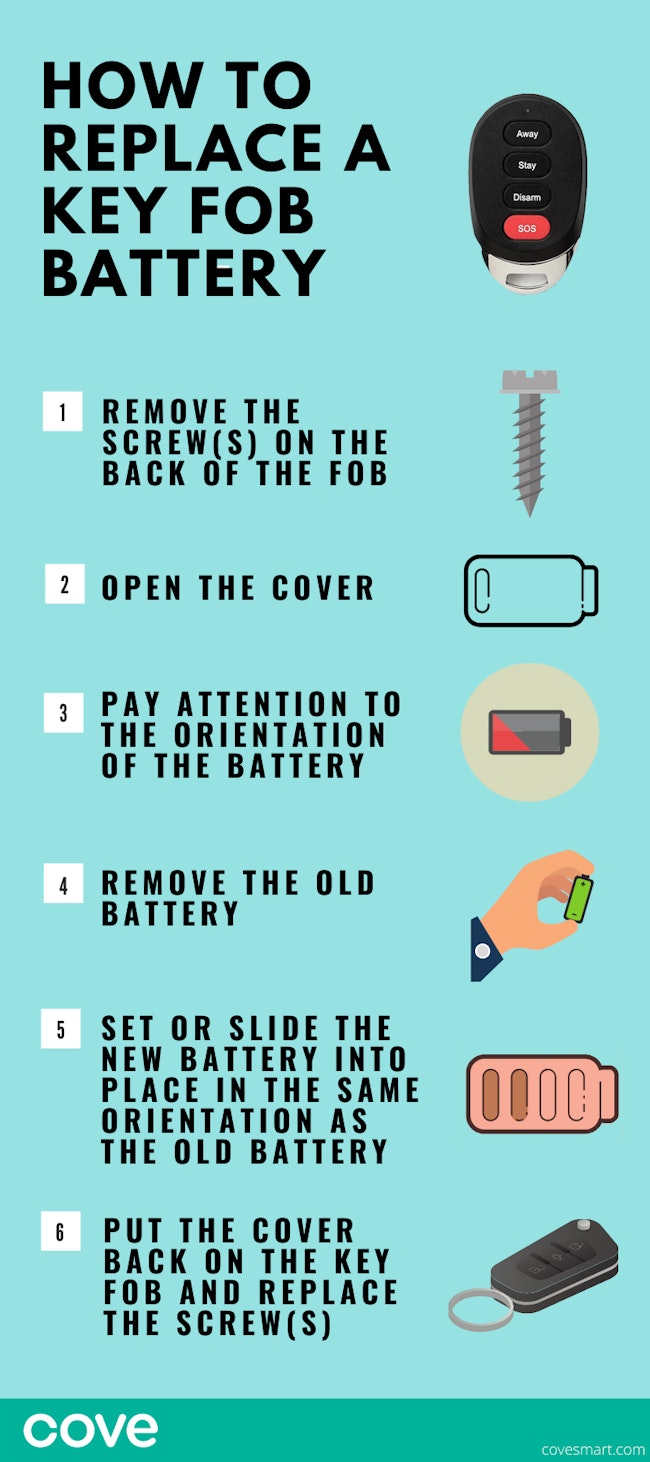
Note the + symbol orientation before removal—positive side usually faces up. Use plastic tweezers (included in $3 battery kits) to lift the cell straight out. If stuck, gently rock the battery side-to-side; never pry with metal objects that could short-circuit the board. Take a photo of the interior layout before proceeding.
Install New Battery Properly
Wipe contacts with a dry microfiber cloth to remove corrosion. Place the new battery with identical orientation—reversed polarity damages circuitry. Press firmly until seated flat; a crooked battery causes “ghost pressing” where locks activate randomly. Snap halves together starting at the key ring end, ensuring all perimeter clips engage. Test immediately: lock/unlock should work from 30+ feet within 10 seconds.
Fix Common Post-Replacement Issues
Immediate Functionality Checks
If buttons don’t respond, reopen and verify battery orientation. Partial failures (e.g., unlock works but lock doesn’t) indicate water damage—look for green corrosion on contacts. For reduced range, test in an open area away from Wi-Fi routers or cell towers that cause 315MHz signal interference. Push-button start issues often require re-synchronization.
Quick Re-synchronization Methods
Most vehicles reset automatically after replacement. If not, try the universal method: insert key, turn to “ON” (don’t start), press lock button 3 times, turn off, and remove. Nissan owners insert/remove the key 6 times in 10 seconds. For BMWs with comfort access, hold unlock while sitting in the driver’s seat, then start within 30 seconds. Never visit a dealership for this—it’s a 20-second fix.
Extend Your Key Battery Life
Smart Usage Habits
Avoid “range testing” by holding unlock while walking away—this drains 5x more power than normal use. Store keys away from phones or laptops; electromagnetic fields accelerate depletion. Rotate between multiple keys if you have them; inactive fobs develop contact corrosion. In freezing weather, keep your key in an inner pocket to maintain operating temperature.
Proactive Maintenance Schedule
Test remote range every 6 months after year two. Replace spare key batteries every 3 years regardless of use—stored fobs still lose 10% capacity annually. Inspect for hairline cracks near buttons that let moisture in; seal with clear nail polish if found. Note replacement dates in your phone; most drivers replace batteries 22-28 months after installation.
Dispose of Old Batteries Properly
Never toss lithium coin cells in household trash—they can ignite in compactors or leach toxins into groundwater. AutoZone, Best Buy, and Staples accept used batteries in collection bins. Mail-back programs like Call2Recycle offer free drop-off; 95% of materials get recovered. A single CR2032 contains enough lithium to contaminate 40,000 gallons of water if improperly discarded.
Emergency Fixes for Dead Keys
When stranded, hold your dead fob against the push-button start while pressing—it often works via induction coupling. Some Volkswagens have a designated “emergency slot” under the cup holder. For manual access, remove the hidden mechanical key (slide the release button on back) to unlock doors. As a last resort, warm the fob in your hands for 2 minutes; body heat temporarily boosts voltage in cold weather.
Maintaining fresh key batteries prevents 90% of unexpected lockouts. By mastering this 5-minute replacement process, you’ll save hundreds in dealership fees while ensuring reliable access in emergencies. Keep a $3 CR2032 in your glove compartment—it’s the cheapest insurance against being stranded by a dead key. Remember: when searching how to charge car key battery, the real solution is always replacement, not recharging. With these proven techniques, you’re now equipped to handle any key fob battery failure confidently.


