
Your Kia Soul EV’s battery health determines everything from your daily driving range to long-term ownership costs. Unlike traditional cars where engine problems announce themselves with warning lights or strange noises, EV battery degradation happens silently over time—often without obvious signs until your range has noticeably decreased. Learning how to check Kia Soul EV battery health empowers you to catch issues early, maximize your vehicle’s lifespan, and potentially save thousands in premature battery replacement costs.
This comprehensive guide reveals exactly how to monitor your Soul EV’s battery condition using built-in features, professional diagnostic tools, and simple observation techniques. You’ll discover practical methods to assess your battery’s current state, understand what the numbers mean for your daily driving, and implement strategies to extend your battery’s life. Whether you’re a new EV owner or have had your Soul EV for years, these actionable steps will keep you informed and in control of your vehicle’s most critical component.
Decode Battery Health Metrics
Understanding your Kia Soul EV’s battery health requires knowing what metrics matter most and how they impact your daily driving experience. Unlike traditional vehicles, your EV’s performance directly correlates to battery condition, making regular monitoring essential for optimal ownership.
State of Health vs Capacity Loss
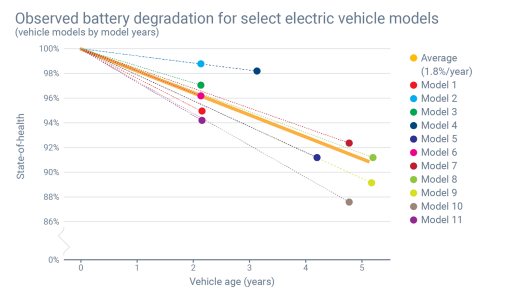
Your Soul EV’s State of Health (SOH) represents its current energy storage capability compared to when it was new. A battery with 85% SOH stores 15% less energy than it did originally. Capacity loss manifests as reduced driving range—when your once-reliable 243-mile range now struggles to reach 200 miles on a full charge, you’ve likely experienced significant degradation.
Recent research shows modern EV batteries degrade at approximately 1.8% per year as of 2024, a notable improvement from the 2.3% annual rate seen just a few years ago. This means your Kia Soul EV battery could maintain over 70% capacity even after 15-20 years of regular use, provided you follow proper maintenance practices.
Warning Signs to Watch
Your battery communicates its condition through subtle performance changes long before critical failure:
- Unexpected range reduction on familiar routes
- Increased charging times to reach the same percentage
- Weaker regenerative braking that feels less responsive
- Dashboard warnings during charging or driving sessions
Built-in Diagnostic Access

Your Kia Soul EV continuously monitors battery health through its sophisticated Battery Management System (BMS). Accessing this data requires understanding where to look within your vehicle’s interface and what the readings mean for your battery’s condition.
Dashboard Health Indicators
The Soul EV’s instrument cluster provides immediate battery health feedback through several key indicators:
- Battery gauge accuracy: Compare actual driving range with the predicted range displayed
- Charging time estimates: Track if full charges consistently take longer than before
- Efficiency metrics: Monitor kWh per mile trends across different driving conditions
Access your vehicle’s trip computer by pressing the “TRIP” button on your steering wheel, then navigate to energy consumption screens. Declining efficiency metrics often signal underlying battery degradation that requires attention.
Hidden Service Menu Access
While not officially documented for owners, some Kia Soul EV models allow access to deeper battery diagnostics:
- Turn your vehicle to “ON” position (without starting)
- Press and hold specific steering wheel buttons (varies by model year)
- Navigate to battery information submenus
- View State of Health percentage if available
Important: Menu access varies significantly by model year and trim level. Don’t force button combinations if they don’t work—consult your dealer for model-specific instructions.
Professional Diagnostic Tools
When built-in diagnostics don’t provide enough detail, professional tools deliver comprehensive battery health analysis. These range from dealership equipment to third-party solutions designed specifically for your Soul EV.
Dealer Health Assessment
Kia dealerships use KDS (Kia Diagnostic System) software to evaluate battery condition with precision. This professional assessment typically includes:
- Accurate SOH percentage calculation
- Individual cell voltage readings
- Thermal management system verification
- Warranty coverage determination
Schedule this service every 12-24 months or immediately if you notice significant range loss. While the cost ranges from $75-150, this fee is often waived if warranty work becomes necessary.
OBD-II Scanner Solutions
Third-party OBD-II scanners with EV-specific capabilities provide detailed battery health data:
Recommended tools:
– OBDLink MX+ with compatible EV apps
– Car Scanner ELM OBD2 app (Android/iOS)
– Torque Pro with Soul EV-specific plugins
Connection process:
1. Locate your OBD-II port (driver’s side footwell)
2. Connect scanner while vehicle is off
3. Turn vehicle to “ON” position
4. Access battery monitoring parameters
Monitor Through Driving Patterns

Your daily driving habits provide valuable insights into your Soul EV’s battery health. Systematic observation reveals degradation patterns long before dashboard warnings appear.
Range Tracking Methods
Create a simple tracking system to monitor battery health:
Weekly range check:
– Note starting battery percentage
– Drive a consistent route (like your work commute)
– Record ending percentage and miles driven
– Calculate efficiency: miles driven ÷ percentage used
Example calculation:
– Started: 80% charge
– Ended: 30% charge
– Miles driven: 65
– Efficiency: 65 ÷ 50 = 1.3 miles per percent
– At 100%: 130 miles (compare to original 243-mile EPA rating)
Charging Behavior Analysis
Track charging sessions using the Kia Access app or manual logs:
- Charging time increases: 7 hours to full becoming 8+ hours at same charger
- Energy acceptance drops: Only accepting 18 kWh instead of 27 kWh from empty
- Temperature warnings: More frequent thermal management activation during charging
Preventive Health Maintenance

Proactive care significantly extends your Soul EV’s battery life. These evidence-based strategies address the primary degradation factors specific to Kia’s lithium-ion battery chemistry.
Temperature Control Strategies
Your Soul EV’s battery degrades fastest in extreme heat. Implement these protective measures:
Hot weather protection:
– Park in shade or garages whenever possible
– Use scheduled charging during cooler evening hours
– Pre-condition cabin while plugged in to reduce battery load
Cold weather considerations:
– Garage parking maintains optimal battery temperature
– Use winter mode if equipped to warm battery during charging
– Expect 10-30% range reduction in freezing temperatures
Optimal Charging Habits
Follow these charging guidelines based on degradation research:
Daily routine:
– Keep charge between 20-80% for regular use
– Use Level 2 (240V) charging for overnight sessions
– Limit DC fast charging to occasional road trips only
Long-term storage:
– Store at 50% charge for periods over 2 weeks
– Avoid leaving at 100% charge for extended periods
– Check monthly and maintain 30-70% charge level
When to Seek Replacement
Battery replacement becomes necessary when capacity drops below practical thresholds. Understanding these limits helps you plan financially and logistically.
Capacity Threshold Guidelines
Consider replacement when:
– SOH drops below 70% (approximately 170 miles range)
– Range no longer meets daily needs
– Warranty coverage expires with significant degradation
– Charging becomes excessively slow or unreliable
Kia Soul EV warranty terms:
– 10 years/100,000 miles for battery degradation
– Covers capacity below 70% of original
– Prorated coverage after warranty expiration
Replacement Cost Planning
Budget $5,000-8,000 for battery replacement based on current pricing trends. Factors affecting cost include:
- Battery size: 27 kWh vs 30 kWh versions
- Labor rates: Vary by region and dealer
- Core exchange: Credit for old battery reduces cost
- Warranty status: May qualify for partial coverage
DIY Health Checks
Simple monthly checks provide early warning of battery issues without requiring special tools beyond your vehicle’s built-in systems.
Monthly Range Test
Standard procedure:
1. Charge to 100% overnight
2. Drive until 50% battery remaining
3. Note miles traveled
4. Compare to historical average
5. Track trends over 3-6 months
Expected results:
– New battery: ~120 miles to 50%
– After 5 years: ~100-105 miles to 50%
– Concerning drop: Less than 90 miles to 50%
Visual Inspection Points
Under-hood checks (monthly):
– Coolant levels in battery thermal system
– Corrosion on 12V battery terminals
– Warning lights during startup sequence
– Unusual sounds from cooling fans
Charging port inspection:
– Clean connections free of debris
– No damage to charge port door
– Normal latch operation
– LED indicator lights function properly
Key Takeaway: Regularly checking your Kia Soul EV battery health through systematic monitoring and professional assessments ensures you maximize both lifespan and performance. Start with simple monthly range tests and schedule professional diagnostics every 12-24 months—this proactive approach could save you from unexpected battery replacement costs and keep your EV performing optimally for years to come. Remember that proper temperature management and smart charging habits are your most effective tools for preserving battery health throughout your vehicle’s lifetime.


