
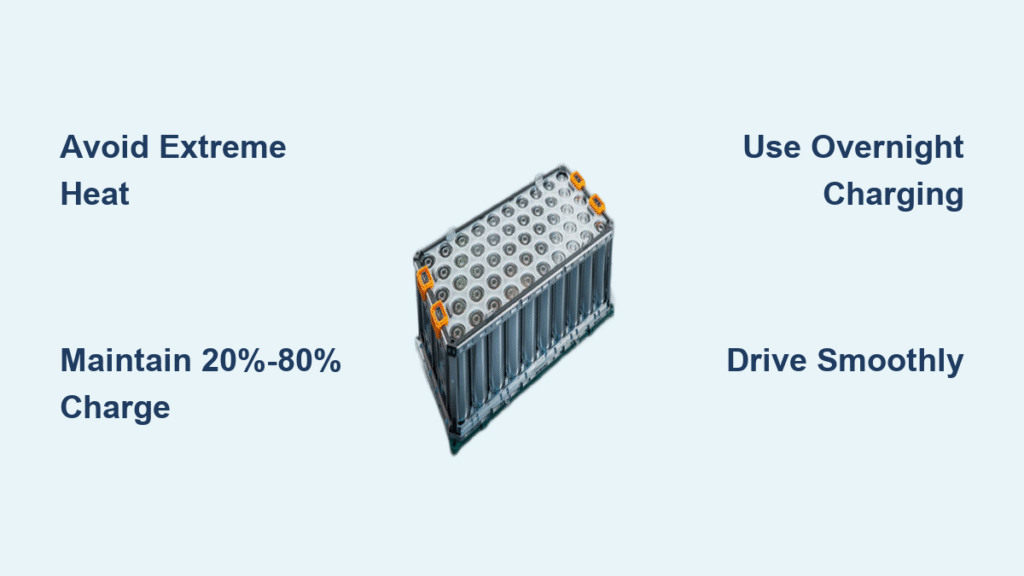
Your hybrid battery replacement could cost $2,000–$8,000, but most drivers unknowingly sabotage their pack’s longevity through daily habits. While manufacturers warranty these systems for 8–15 years, real-world data shows the difference between hitting 100,000 miles and cruising past 250,000 often comes down to your temperature management and charging routines. The good news? Extending your NiMH or lithium-ion battery’s life requires no special tools—just smart practices taking minutes per week. Below, you’ll discover field-tested strategies from National Renewable Energy Laboratory studies and fleet maintenance records that keep hybrid batteries healthy for decades.
Beat Extreme Temperatures Before They Damage Your Pack
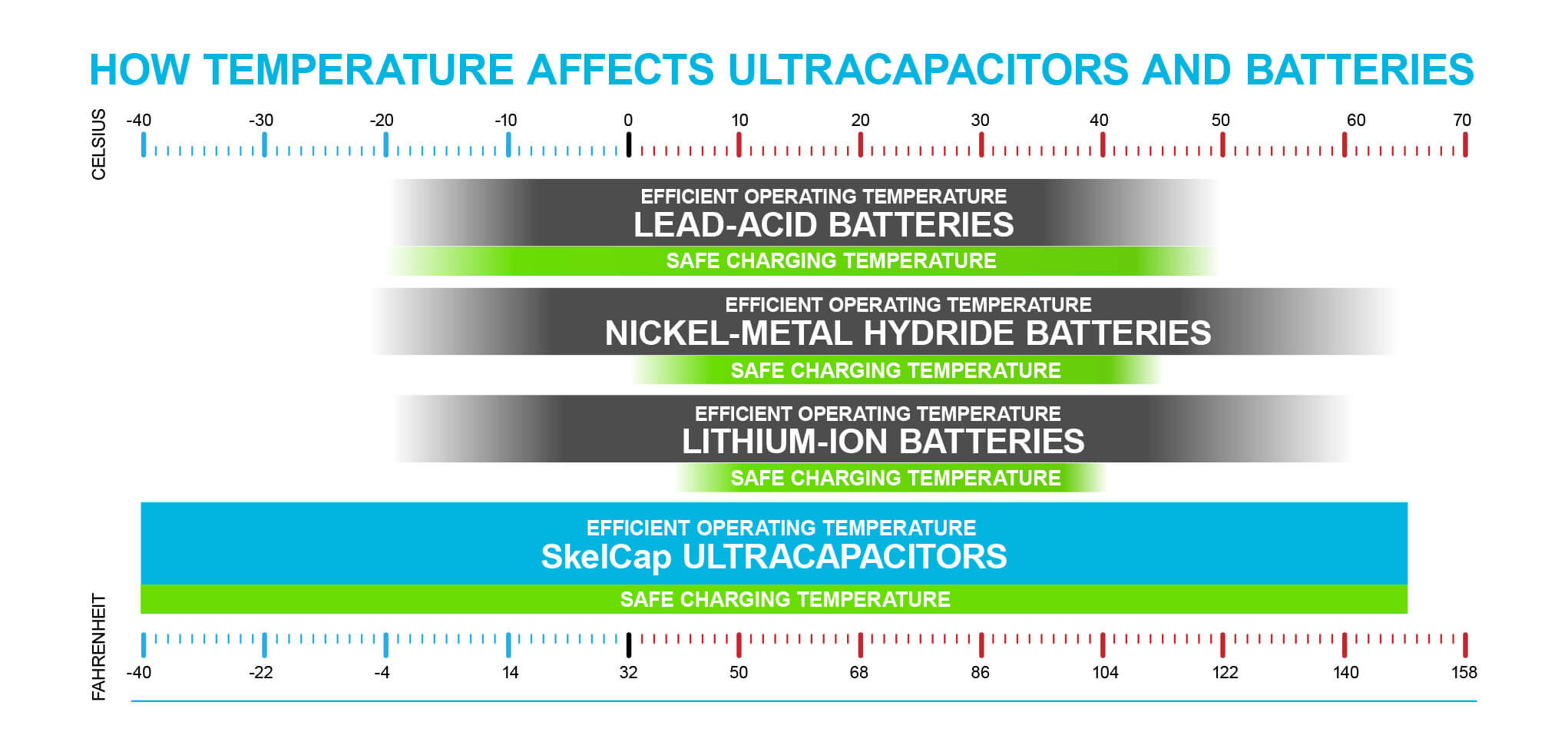
Hybrid batteries degrade fastest when exposed to sustained heat or cold. Research confirms every 18°F above 95°F roughly doubles chemical aging rates, while freezing temps temporarily slash usable capacity by 10–20%. Protect your investment with these targeted climate strategies.
Hot Climate Survival Tactics That Prevent Overheating
- Park in shade or garage daily – Cabin air pulled through the pack can exceed 120°F on 90°F days, accelerating degradation. Windshield reflectors cut interior heat by 30°F when garages aren’t available.
- Wait 30 minutes after highway driving before plugging in or parking – This critical cooldown period lets internal fans drop cell temperatures below the danger threshold.
- Clean cooling fan filters every 20,000 miles – Clogged filters (common with pet hair) reduce airflow by 40%, forcing the battery to work harder. Pet owners should do this annually.
Cold Weather Battery Care for Winter Survival
- Use garage parking or battery warmers – A garage-kept pack stays 9°F warmer, cutting charging time and preventing temporary capacity loss.
- Pre-condition your cabin while plugged in – This warms the battery using grid power instead of draining precious stored energy.
- Avoid short trips under 3 miles in freezing weather – These force excessive charge cycles as the system struggles to maintain temperature, increasing wear.
Master the Daily Charge Window for Maximum Cycles
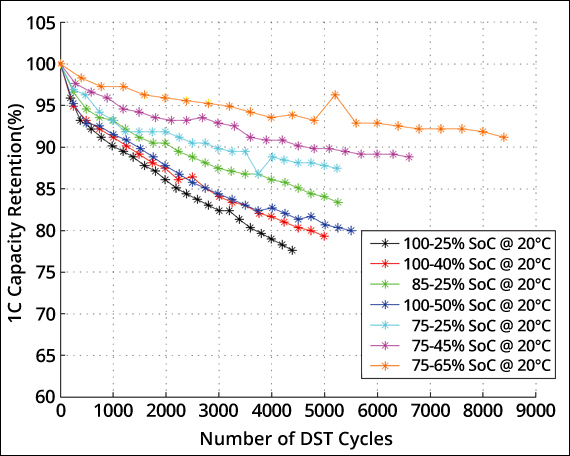
Think of your battery like a high-performance tire: constantly running it at maximum pressure or zero pressure destroys elasticity. Staying in the optimal state-of-charge (SoC) window dramatically extends lifespan.
PHEV/EREV Charging Sweet Spot Protocol
- Maintain 20%–80% SoC for daily driving – Studies prove this range delivers double the cycle life compared to 0%–100% cycling. Set your home charger to stop at 80% unless a long trip requires full capacity.
- Charge to 100% only for road trips – Leaving lithium-ion packs at maximum charge for days accelerates calendar aging through electrolyte oxidation.
- Unplug immediately after reaching target SoC – Modern chargers maintain full voltage, causing unnecessary stress. Use timers for off-peak charging.
Conventional Hybrid Charge Management
- Don’t manually limit SoC – Your car’s Battery Management System (BMS) automatically maintains the ideal 30%–70% range.
- Avoid parking with low fuel – If the gas tank runs dry, the system may deep-cycle the battery to power accessories, causing permanent damage.
Charge Smarter, Not Faster: The Overnight Advantage
Fast-charging feels convenient, but Kia fleet data shows habitual DC fast-charging erases approximately 10% of battery lifespan over eight years. Optimize your charging routine with these proven techniques.
Level 1/2 Charging Best Practices
- Prefer overnight Level 1 or 2 charging – Slower rates generate minimal heat compared to DC fast-charging. Schedule charging for cooler nighttime hours when grid demand is lower.
- Leave storage pack at 50% SoC – If parking for weeks, run the engine 20–30 minutes every two weeks to maintain the 12-volt auxiliary battery.
- Never store at 0% or 100% – Both extremes accelerate degradation; 50% is the chemical stability sweet spot.
Driving Techniques That Reduce Battery Stress
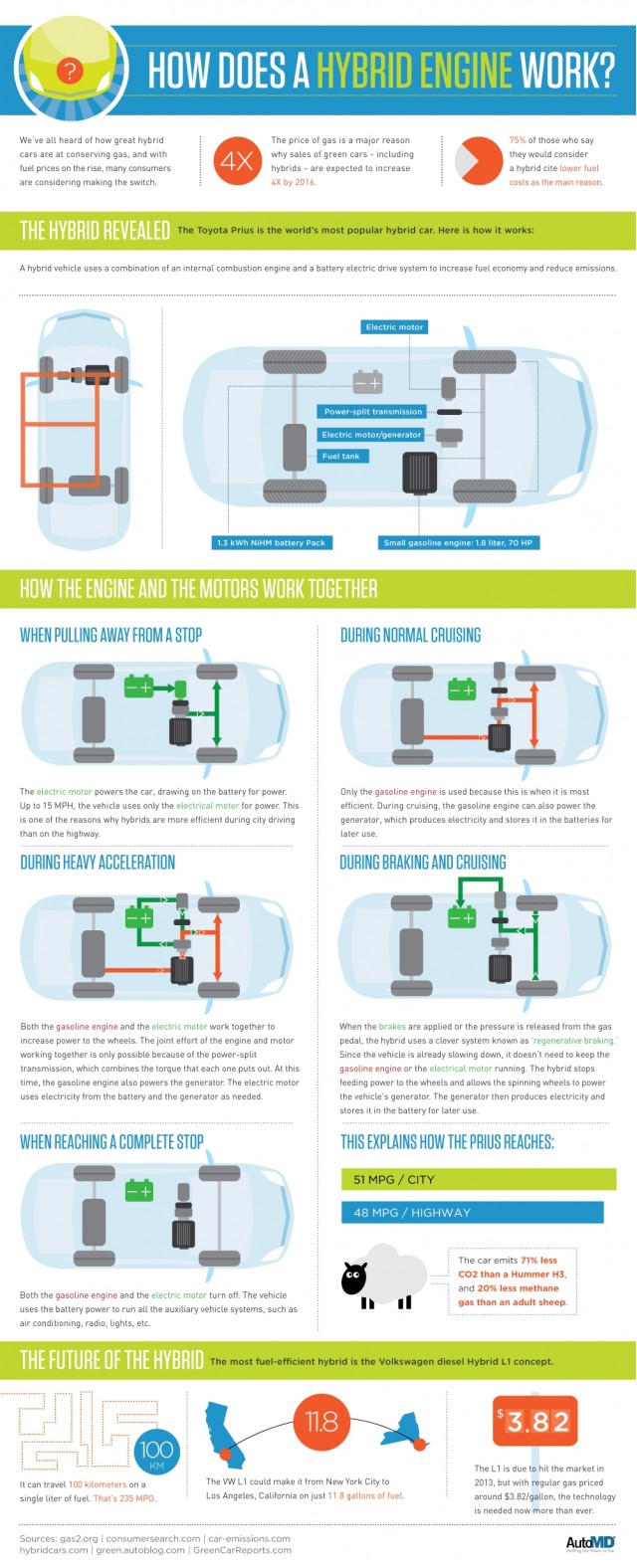
Aggressive acceleration forces your battery to deliver massive power spikes, heating cells unevenly. Smooth driving isn’t just fuel-efficient—it’s battery-preserving.
Smooth Operation Checklist for Longevity
- Accelerate gradually – Anticipate traffic lights to maximize regenerative braking and minimize high-power discharge events.
- Maintain 30–50 mph on local roads – Energy demand rises exponentially above 55 mph, straining the pack. Highway cruising is actually gentler than stop-and-go traffic.
- Drive at least 625 miles monthly – Long inactivity allows cell voltages to drift, creating dangerous imbalances the BMS must correct.
Reduce Drag and Rolling Resistance
- Remove roof racks immediately after use – These increase aerodynamic drag and energy draw by 15%, forcing the battery to work harder.
- Check tire pressure monthly – Under-inflation increases rolling resistance by 5%, directly impacting battery load. Use the driver’s door jamb spec, not the tire sidewall.
Battery Health Maintenance Checklist: What to Do When
Ignoring simple maintenance is the fastest path to premature failure. Follow this owner-executable schedule to catch issues early.
| Task | When to Do It | Critical Warning Signs |
|---|---|---|
| Cooling fan filter cleaning | Every 20,000 miles or 2 years | Pet owners: do this annually. |
| Vent inspection | Every 5,000 miles | Look for luggage, pet hair, or debris blocking airflow. |
| Hybrid Health Check scan | During every oil change | Catches cell imbalance before costly repairs. |
| 12-volt battery replacement | Every 4–6 years | A dead 12V battery can disable the entire hybrid system. |
Spot Degradation Early: Dashboard Warnings That Can’t Wait
Catching problems before total failure saves thousands. These symptoms require immediate professional scanning.
Critical Warning Signs Requiring Action
- Check hybrid system or red triangle light – Never ignore these; they indicate active faults needing immediate diagnosis.
- Cooling fan running constantly at high speed – Signals clogged filters or thermal stress overwhelming the system.
- Electric motor hesitation under acceleration – Shows reduced battery power output due to capacity fade.
- Fuel economy drop exceeding 10% – The clearest indicator of shrinking usable capacity.
Replacement Realities: Budgeting for the Inevitable
When capacity drops below 70%, replacement becomes unavoidable. Plan ahead with these cost-saving insights.
Smart Replacement Strategies
- Budget $2,000–$8,000 including labor – Prices vary by make and pack size, but core recycling credits can offset up to $1,000.
- Choose independent hybrid specialists – They often provide remanufactured packs at 30% savings versus dealers.
- Drive in “limp” mode safely – Most hybrids operate on gasoline only after battery failure—enough to reach a shop, though acceleration suffers.
- Never delay replacement – Continuing to drive with degraded capacity increases stress on remaining cells, causing cascading failures.
Seasonal Battery Care Calendar for Year-Round Protection
Spring/Summer Critical Actions
- [ ] Clean cooling filter before first 90°F day – Humidity magnifies heat stress in summer.
- [ ] Verify cabin vents are unobstructed by beach gear – Blocked airflow is the #1 preventable cause of thermal issues.
- [ ] Use garage parking or windshield reflectors daily – Reduces cabin heat soak by 30°F.
Fall/Winter Essential Steps
- [ ] Test battery warmer function before first freeze – Ensures cold-weather capacity preservation.
- [ ] Pre-condition cabin while plugged in during commutes – Preserves 10–20% of winter range.
- [ ] Check tire pressure weekly as temperatures drop – Cold air reduces PSI by 1 PSI per 10°F decrease.
Consistent application of these techniques transforms your hybrid battery from a ticking time bomb into a lifelong asset. Fleet data proves it: 13.7% of original Prius owners drive their cars 15+ years, with many surpassing 250,000 miles on the original pack. By controlling temperature extremes, respecting the charge window, and performing simple monthly checks, you’ll avoid the $2,000–$8,000 replacement bill while maximizing fuel savings. Start implementing these strategies today—your future self will thank you when you’re still cruising on the original battery while others are stuck in service bays. The road to longevity begins with your next drive.


