
You’re standing in a dimly lit parking lot after a long day, pressing your key fob button repeatedly while your car stubbornly refuses to unlock. The frustration is real – but before you call roadside assistance, recognize this common culprit: a dying key fob battery. Most drivers experience this at least once, yet few know the subtle warning signs that appear weeks before total failure. This guide reveals exactly how to know if car key battery is dead, with actionable tests and fixes that take less than five minutes. Skip the locksmith fees and master these diagnostics to avoid being stranded.
Reduced Range: First Red Flag You Can’t Ignore
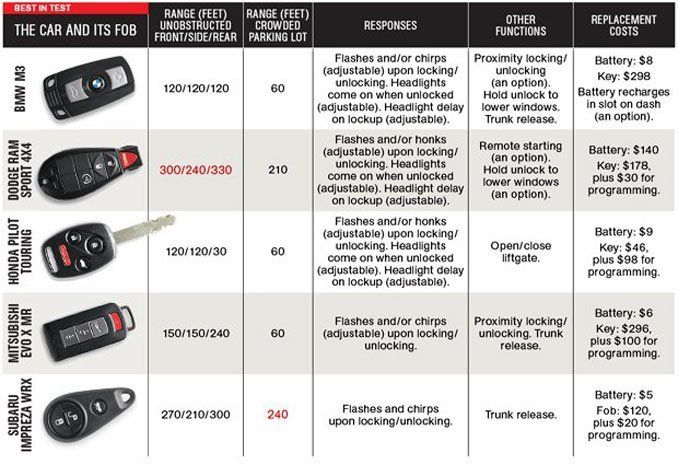
Your key fob’s signal reach shrinks dramatically as the battery weakens. Where you once unlocked your car from inside your house, you now need to stand within arm’s length. This progressive range reduction is your earliest warning that how to know if car key battery is dead should be top of mind. Test this by walking toward your vehicle while pressing the unlock button – if it only works within 10 feet, battery replacement is urgent.
Range Drop Patterns That Predict Failure
- Early stage: Works inconsistently beyond 30 feet
- Mid stage: Requires you to be within 15 feet for reliable operation
- Critical stage: Only responds when touching the door handle
- Final stage: Complete signal loss at any distance
Signal-Killing Environmental Factors
Cold weather accelerates battery drain, making winter mornings the worst time for failures. Parking structures with concrete and steel absorb radio waves, while smartphones in your pocket create interference. Always test your fob in open areas to rule out environmental issues before concluding the battery is dead.
Multiple Clicks Needed to Operate Your Vehicle
A healthy key fob responds instantly with one crisp button press. When you find yourself jabbing the lock button two or three times before the car reacts, the battery is struggling to transmit its full security code. This isn’t just annoying – it’s your clearest indicator of how to know if car key battery is dead. Track your clicks for three days; if you consistently need multiple attempts, replace the battery immediately.
Button Feel Check That Prevents Misdiagnosis
Press each button firmly while listening for a distinct mechanical click. Mushy or sticky buttons mimic low-battery symptoms but require different fixes. If you feel resistance or hear no click, clean the rubber pad with rubbing alcohol rather than replacing the battery. Only proceed with battery replacement when buttons feel normal but still require multiple presses.
Delayed Response Times Signal Critical Drain
When your key fob battery nears failure, you’ll notice a frustrating lag between pressing the button and your car’s response. That satisfying thunk of door locks should happen instantly – if there’s a 1-2 second delay, the receiver is straining to decode the weakened signal. Perform this test while watching your headlights: a healthy fob triggers an immediate flash, while a dying battery causes hesitation. This delay means your battery has less than 20% capacity left.
LED Indicator Clues You’re Overlooking
If your key fob has a light, it’s broadcasting critical battery status. A bright, sharp flash means full power, while a dim or flickering glow indicates imminent failure. No light at all could mean either a dead battery or LED failure – but assume it’s the battery first. Use your smartphone’s camera to detect invisible infrared signals: point the fob at your selfie camera and press any button. If you see no light on screen, your battery is dead.
Complete Unresponsiveness: Emergency Fixes That Work
When pressing buttons produces zero response – no locks, lights, or mirror folds – don’t panic. First, attempt these proven solutions before assuming how to know if car key battery is dead requires professional help. Most modern key fobs contain hidden mechanical keys and backup start methods that work even with dead batteries.
Hidden Mechanical Key Extraction
Every keyless fob hides an emergency blade:
1. Locate the small slider or release button on the fob’s side
2. Slide or press while pulling the metal key free
3. Find the hidden notch under your door handle’s rubber cap
4. Insert the blade and unlock manually – no force required
Engine Start Backup Methods by Brand
- Toyota/Honda: Press dead fob against START button while holding brake
- Ford/Lincoln: Insert entire fob into console cup holder slot
- BMW/Mercedes: Place fob against steering column emblem
These NFC backup systems bypass the dead battery by drawing power directly from your car’s electronics.
Dashboard Warning Lights That Confirm Battery Failure
Newer vehicles actively monitor fob strength and display specific warnings 2-3 weeks before total failure. Watch for these dashboard alerts:
– A key-shaped symbol in the instrument cluster
– “Remote Battery Low” text message
– “Key Not Detected” warnings during start attempts
These aren’t generic faults – they’re direct notifications of how to know if car key battery is dead. Heed these alerts immediately; ignoring them risks complete immobilization.
Battery Testing Methods That Give Definitive Answers
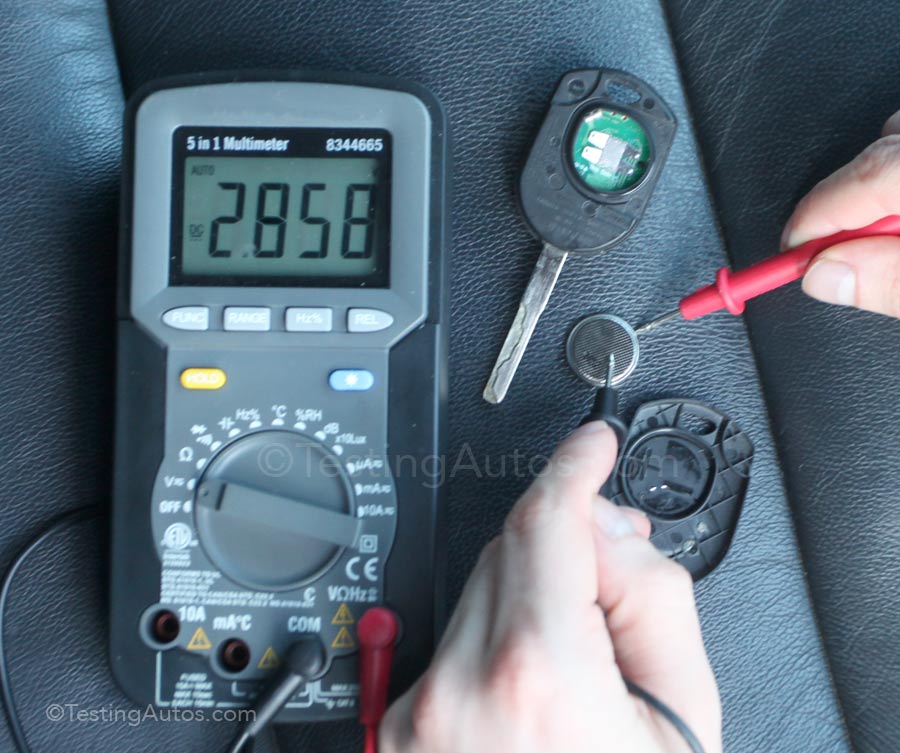
Don’t guess when you can test. These two methods confirm battery status within 60 seconds and eliminate false diagnoses. The spare fob comparison is the fastest diagnostic available to most drivers.
Visual Voltage Test with Multimeter
Remove the battery and check voltage:
– 3.0-3.3V: Fresh battery (normal operation)
– 2.7-2.9V: Declining capacity (replace soon)
– Below 2.7V: Dead battery (replace immediately)
This precise measurement settles any doubt about how to know if car key battery is dead.
Spare Fob Comparison Test
If your backup fob works reliably from 40+ feet while your primary fails within 10 feet, the primary battery is dead. This real-world test requires no tools and provides instant confirmation. Always carry both fobs during diagnostics.
Replacement Guide: DIY Fix in Under 5 Minutes
Replacing your key fob battery costs less than $5 and takes minutes – not hours. Most failures happen because drivers don’t recognize early symptoms of how to know if car key battery is dead. Prevent future lockouts with this foolproof swap.
Identify Your Exact Battery Type
Don’t guess – check the old battery for its engraved code:
– CR2032: Most common (Toyota, Honda, Ford)
– CR2025: Thinner alternative (some Nissans)
– CR2016/CR1616: Slim European models
Your owner’s manual or a quick online search confirms the correct type. Always replace with the exact match.
Step-by-Step Battery Swap
- Prepare: Lay towel on clean surface to prevent losing parts
- Open fob: Insert coin in seam and twist gently
- Note orientation: + side typically faces up (photograph if unsure)
- Clean contacts: Rub corrosion with pencil eraser
- Insert new battery: Snap firmly under retention clip
- Test immediately: Verify all functions before closing
When New Battery Doesn’t Solve the Problem
If symptoms persist after replacement, deeper issues are at play. These failures mimic dead batteries but require different fixes – don’t keep replacing batteries blindly.
Persistent Problems After Replacement
| Symptom | Real Cause | Solution |
|---|---|---|
| Short range remains | Corroded circuit board | Clean contacts with eraser |
| Some buttons dead | Torn conductive pad | Replace rubber pad ($5 part) |
| “Key Not Detected” | Lost vehicle sync | Reprogram using manual sequence |
| Rapid drain | Stuck button | Disassemble and clean |
Reprogramming Needs by Vehicle Type
American brands often self-program via ignition cycles, while European models typically require dealer tools. Asian vehicles split the difference – check your manual before assuming how to know if car key battery is dead is the only issue.
Prevention & Maintenance That Saves Future Headaches
Smart key batteries die every 2-3 years; basic remotes last 4-6. Beat unexpected failures by syncing replacements with oil changes. Extreme heat accelerates drain – replace batteries before summer road trips. Always store spare fobs away from phones and metal keyrings to prevent parasitic drain. Keep a CR2032 battery in your glove box with the installation date written on it.
Quick Reference Checklist for Immediate Action
Replace NOW if you notice:
– Must stand within 10 feet for response
– Dashboard displays “Key Battery Low”
– Engine only starts when fob touches START button
– Zero response at any distance
Test weekly if you see:
– Gradual range reduction
– Needing multiple button clicks
– Dim LED indicator
– Delayed lock response
Emergency kit essentials: CR2032 battery, small flathead screwdriver, and this guide in your glove box.
A dead key fob battery rarely fails without warning signs. By recognizing reduced range, extra clicks, and delayed responses early, you’ll avoid 95% of lockout emergencies. Most replacements take five minutes and cost under $5 – far cheaper than a locksmith call. Test your fob today using the spare comparison method; your future self will thank you when you’re not stranded in a dark parking lot tonight.


