
That frantic clicking sound when you turn the key. Dim headlights that refuse to cut through winter fog. The sinking feeling when your car won’t start again after sitting overnight. These aren’t random inconveniences—they’re your car battery screaming for help. Ignoring these warnings guarantees you’ll be stranded at the worst possible moment. Knowing exactly when to replace car battery transforms guesswork into confidence, saving you from expensive towing bills and roadside emergencies. This guide reveals the nine unmistakable signs your battery is failing, backed by mechanic-tested diagnostics you can perform today.
Why Your 5-Year-Old Battery Is a Ticking Time Bomb
Most car batteries die between three and five years—but this timeline shatters in extreme climates. Southern drivers face failure around year three as scorching heat evaporates electrolyte and corrodes internal grids. Northern drivers might squeeze five years from their battery, but winter’s first freeze exposes hidden weaknesses. After year three, annual professional testing becomes non-negotiable, even if your car starts perfectly. Batteries testing “good” at five years sit on the statistical cliff of failure—replacing them before winter hits prevents dangerous breakdowns when temperatures plummet.
Slow Cranking: Your Battery’s First Distress Signal
Why Your Engine Sounds “Lazy” on Cold Mornings
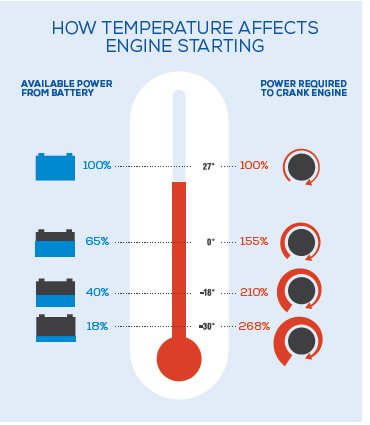
When your engine turns over sluggishly—taking twice as long to start as it did last winter—you’re witnessing rising internal resistance. As batteries age, their ability to deliver cranking amps drops. This symptom explodes in cold weather: below 32°F, a weak battery loses up to 50% of its capacity while your engine demands more power to turn over. If your car starts fine in summer but groans in cold snaps, replacement isn’t optional—it’s urgent.
Rapid Clicking vs. Total Silence: What Each Means
- Rapid clicking: Your battery has just enough juice to trigger the solenoid but not engage the starter. This indicates severe discharge or permanent capacity loss.
- Complete silence: Total power failure. Either the battery is dead or connections are compromised.
Both scenarios demand immediate action, especially in batteries over three years old. Don’t waste time jump-starting—this is your battery’s death rattle.
Headlight Dimming: The Silent Battery Killer

Idle vs. Rev: The Real Battery Stress Test
Here’s what most drivers miss: dim headlights at idle that brighten when you rev the engine. This happens because your alternator compensates for battery weakness during driving but can’t mask failure when idling. Perform this test tonight: start your car, turn on headlights, then rev to 2,000 RPM. If lights noticeably brighten, your battery can’t maintain voltage under load—replacement is inevitable.
Why Your Power Windows Betray Battery Health
Sluggish window operation, resetting radio presets, or seat heaters that take forever to warm up all trace back to one culprit: unstable voltage from a failing battery. Modern cars require rock-solid 12.6V to run accessories smoothly. When your battery can’t deliver consistent power, these systems malfunction first. If multiple electrical components act erratically simultaneously, suspect battery failure—not individual part defects.
Overnight Power Loss: The Hidden Drain Trap
Waking to a dead battery despite no lights left on? This points to internal short circuits or severe sulfation—where lead sulfate crystals permanently coat plates, blocking chemical reactions. Newer batteries self-discharge slowly (1-2% per week), but failing units can drain overnight. Once you need daily jump-starts, replacement is the only fix. Pro Tip: If this happens suddenly after installing a dash cam or stereo, check for parasitic drain—but the battery itself is likely already compromised.
Swollen Case & Sulfur Smells: Danger Zone Alerts

Why a Bulging Battery Case Means Immediate Action
A swollen or distorted battery case isn’t just a visual quirk—it’s a fire hazard caused by dangerous internal gas buildup from overcharging or cell failure. Heat accelerates this process, making swollen batteries common in southern states. If you see bulging, replace the battery immediately. Do not attempt to drive or jump-start—this risks explosion.
Rotten Egg Smell: Your Battery’s Chemical Breakdown
That sulfur odor (like rotten eggs) means hydrogen sulfide is venting from failing cells. This occurs when overcharging boils electrolyte or internal shorts create abnormal chemical reactions. While corrosion causes similar smells, persistent sulfur odors with starting issues confirm battery failure. Investigate any unusual hood smells immediately—this isn’t normal wear.
DIY Voltage Testing: The 60-Second Lifesaver
Multimeter Test That Beats Guesswork
Grab a $15 multimeter and follow these steps:
1. Turn on headlights for 30 seconds to remove surface charge
2. Set multimeter to DC voltage (20V range)
3. Touch red probe to positive (+) terminal, black to negative (-)
- 12.6V or higher: Good charge (but test under load)
- 12.4–12.5V: 75% charged—recharge and retest
- 12.3V or below: Critical—recharge overnight; if still below 12.4V, replace
Critical red flag: If voltage drops below 10V during cranking, your battery can’t deliver power—replace now.
Free Store Test That Mechanics Trust
Auto parts stores offer free load testing using professional carbon-pile testers. They apply 50% of your battery’s Cold Cranking Amps (CCA) for 15 seconds. If voltage drops below 9.6V, your battery fails—replace it immediately, regardless of age. This test reveals hidden weakness multimeters miss.
Heat vs. Cold: Climate’s Secret Impact on Battery Death
Why Southern Drivers Replace Batteries at 3 Years
Extreme heat evaporates electrolyte and corrodes lead grids 50% faster than moderate climates. In Phoenix or Houston, don’t wait for year five—replace by year four max. Short trips (under 15 minutes) compound this by preventing full recharging, cutting life to 2–3 years.
Winter’s Double Whammy: How Cold Exposes Weak Batteries
Cold doesn’t kill batteries—it reveals existing weakness. At 0°F, your engine needs 2x the cranking power while your battery delivers 50% less capacity. A battery surviving summer often dies during the first winter freeze. If yours struggles in cold weather, replace it before temperatures drop below freezing.
The Replacement Decision Matrix: Never Guess Again
| Your Situation | Action Required |
|---|---|
| Battery >5 years with ANY symptom (slow crank, dim lights) | Replace immediately—statistical failure is imminent |
| Frequent jump-starts (2+ in 30 days) with 4-year-old battery | Replace now—capacity is permanently lost |
| Voltage <12.4V after full recharge | Replace—battery can’t hold charge |
| Swollen case or sulfur smell | Replace immediately—safety hazard |
| Fails load test at auto parts store | Replace—regardless of age or voltage |
| 3-year-old battery in Arizona with slow winter starts | Replace preemptively—heat + age = failure |
Smart Replacement Timing: Beat the Breakdown
Pre-Winter Swap: Your $100 Insurance Policy
Never wait for the first freeze. Replace marginal batteries in September or October. A $120 battery prevents $200+ towing fees and the misery of being stranded in snow. Mechanics see 70% of winter breakdowns trace back to batteries over four years old.
Fleet & Commuter Strategy: Schedule, Don’t Scramble
For daily drivers or work vehicles, align battery replacement with oil changes at 40,000 miles. This transforms emergencies into planned maintenance. Pro Tip: Keep a portable jump pack in your trunk—but know it’s a temporary fix, not a solution for failing batteries.
Final Reality Check: Your Battery’s Countdown Clock
Your car battery rarely dies without warning—it broadcasts distress signals for months. The critical mistake? Waiting for total failure. If your battery is over four years old and shows any symptom—slow cranking, dim lights, or voltage below 12.4V—replace it now. In hot climates, replace at four years regardless of symptoms. In cold regions, never push beyond five years. This isn’t pessimism—it’s physics. By recognizing these nine signs early, you turn battery replacement from a roadside panic into a 30-minute garage task. Test annually after year three, replace proactively at year four in extreme climates, and never ignore the combination of age plus symptoms. Your reliable starts—and your peace of mind—depend on it.


