
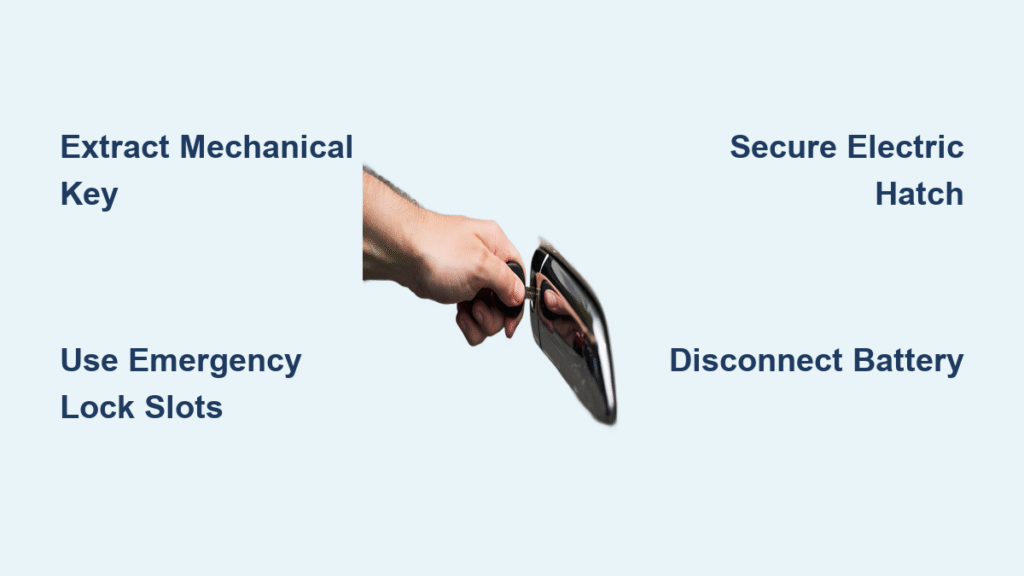
You’re stranded with a dead car battery, and the panic sets in when you realize you can’t lock your doors. Electronic locks are useless without power, your key fob beeps silently into the void, and valuables sit unprotected in your vehicle. This exact scenario traps thousands of drivers weekly—but the solution is simpler than you think. Your car has built-in mechanical backups designed specifically for dead battery emergencies, yet most owners never discover them until it’s too late.
When your 12V battery fails, it doesn’t just prevent starting—it cripples every electronic security system. Keyless entry receivers go silent, central-locking actuators freeze in place, and electric tailgate latches refuse to engage. Even with fresh batteries in your key fob, the car’s dead electronics make it completely unresponsive. The critical truth? Every vehicle manufactured since the 1990s includes mechanical override systems for this precise crisis.
This guide reveals exactly how to lock every door and hatch using hidden mechanical access points and temporary power tricks. You’ll learn vehicle-specific quirks that could leave your trunk vulnerable, avoid the dangerous mistake of locking yourself out mid-process, and secure your car in under 90 seconds—even with zero electrical power.
Extract Your Hidden Mechanical Key Before You Need It
Your key fob contains a physical blade you’ve probably never used. Flip open the small release button or slide the hidden tab on the fob’s side to reveal this emergency key. Most modern fobs (Toyota, Honda, Ford) have a flip-out blade, while luxury brands like BMW conceal a pull-out insert. Practice this now—not during an emergency—because stress makes simple tasks impossible.
Critical mistake to avoid: Forgetting to remove the blade before closing the driver’s door. Once the door shuts, you can’t access the fob inside to retrieve the key. Keep the mechanical key in your pocket during the entire locking sequence.
Locating the Driver’s Door Lock Cylinder
Many manufacturers hide the key slot behind a small plastic cover that snaps off with fingernail pressure. On a 2020+ Chrysler Journey, it’s centered below the door handle; in a Ford Focus Mk3, it’s disguised as part of the handle assembly. Insert your mechanical key and turn clockwise to lock the driver’s door from outside.
Warning: This action only secures the driver’s door on most vehicles. Your other doors remain electronically latched but unlocked—a major security gap thieves exploit. Never assume locking the driver’s door locks the entire vehicle.
Lock Passenger and Rear Doors Using Emergency Access Slots

Non-driver doors require a different approach since their key cylinders are often deactivated when the battery dies. Walk to each passenger and rear door, then examine the door edge facing the B-pillar (the vertical support between doors). You’ll spot a small rubber plug marked with a padlock icon—this conceals your emergency lock slot.
How to Access and Engage Door Lock Slots
- Remove the rubber plug using your fingernail or key tip (no tools needed)
- Insert your mechanical key blade or a flat-head screwdriver into the vertical slot
- Rotate 90 degrees clockwise while applying gentle pressure
- Listen for the distinct “thunk” confirming mechanical lock engagement
Pro tip: Test this method before your battery dies. On a 2015 VW Jetta, the slot sits flush with the door edge and requires precise 45-degree key insertion. If you force it incorrectly, you’ll damage the mechanism.
Urgent consequence: Once locked this way, no outside handle will reopen the door. Verify all doors are secured before closing the last one—especially the driver’s door.
Secure Electric-Only Hatches With Temporary Power
Newer crossovers like the Chrysler Journey 2020+ and Subaru Forester (2014+) have electric tailgates with no mechanical override. The hatch will latch closed but won’t lock without 12V power—leaving your cargo vulnerable. Here’s how to activate locks instantly:
Portable Jump Starter Method (Fastest Solution)
- Connect red clamp to battery positive (+) terminal, black to negative (-)
- Wait 15 seconds for system capacitors to charge
- Press your key fob LOCK button or interior central-lock switch
- Listen for hatch actuator cycling (distinct mechanical “clunk”)
- Disconnect clamps immediately after locking
Why this works: Pocket jump starters deliver 200+ amps for 30 seconds—enough to power lock actuators but not start the engine. No donor vehicle needed.
Critical vehicle quirk: In Subaru Foresters, the cargo hatch unlocks automatically whenever doors open via remote. Manually lock the hatch before battery disconnection, or it stays vulnerable even after other doors are secured.
Complete Dead-Battery Locking Sequence in 6 Steps
Follow this foolproof method to secure every door and hatch:
- Open the hood and prop it safely (prevents accidental closure)
- Extract mechanical key from fob and keep it accessible
- Lock all passenger/rear doors using emergency slots (listen for “thunk”)
- Lock the hatch using temporary power if electric-only
- Lock driver’s door last from outside with mechanical key
- Disconnect negative battery cable to prevent parasitic drain
Time estimate: 60-90 seconds once you know the steps. First-timers should allow 3 minutes.
Visual cue: After disconnecting the battery cable, try opening any door—none should budge. If handles move freely, repeat steps 3-5.
Vehicle-Specific Locking Traps to Avoid
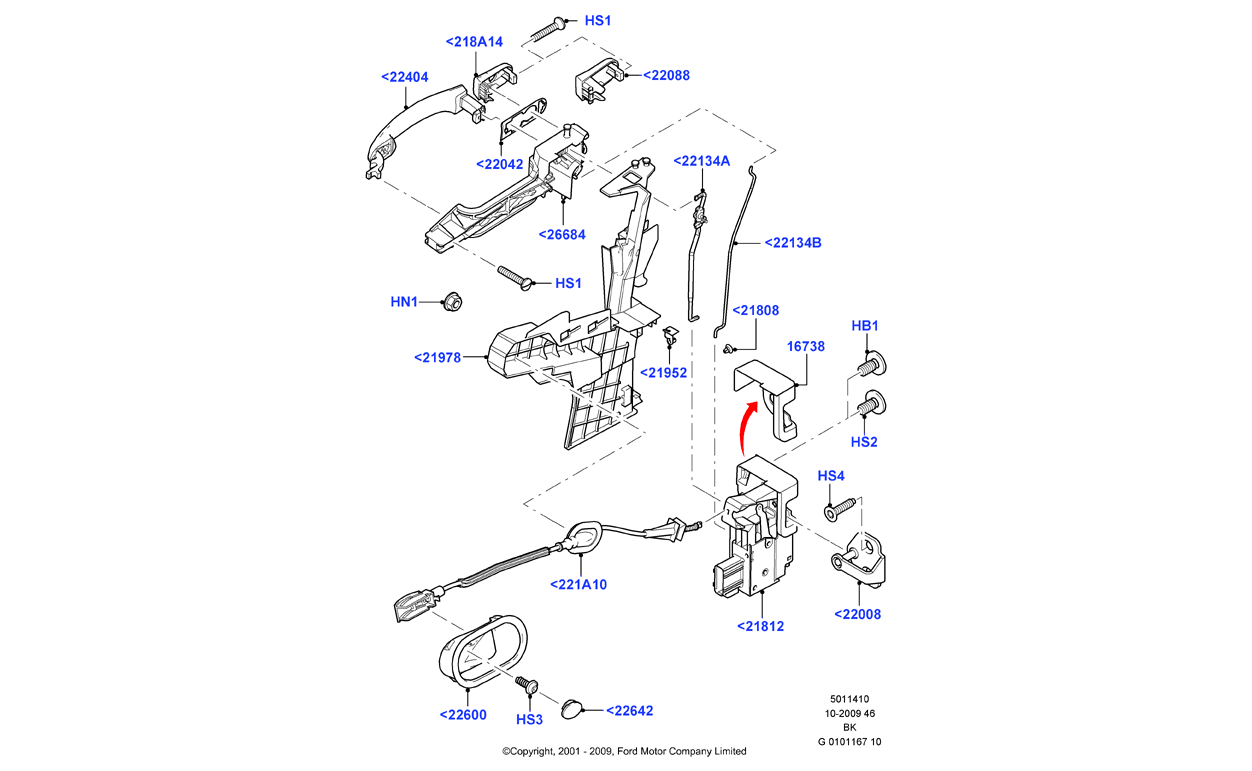
Ford Focus Mk3 (2011-2018) Front Passenger Door
This model has no key slot on the passenger door. Attempting to unlock via interior handle won’t work without power. Use the emergency lock slot on the door edge—located 2 inches below the latch mechanism. Pushing the interior handle forward never locks the door during battery failure.
2015 VW Jetta Dealership Myth
Many dealers incorrectly claim “turning the key in the driver’s door locks all doors.” This fails when the battery is shorted or completely dead. Your only options are:
– Lock each door individually via emergency slots
– Apply temporary power to activate central locking
Chrysler Journey 2020+ Hatch Reality
The rear hatch lacks any manual override. If you close it without power, it latches but remains unlocked. Temporary power application is non-negotiable for security—no workarounds exist.
Long-Term Storage Security Protocol
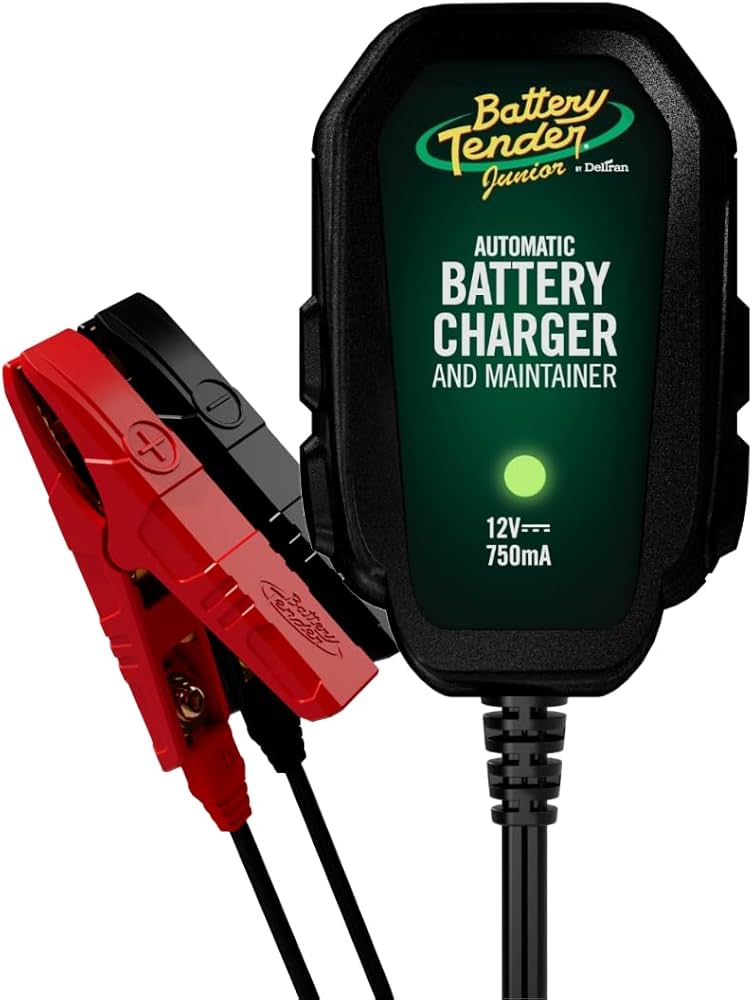
Planning battery disconnection for storage? This prevents security gaps:
- Lock all doors using the hood-open method before disconnecting power
- Remove the battery entirely and place it on a smart maintainer (Deltran Battery Tender Junior 0.75A recommended)
- Store mechanical key separately from fob—fob won’t function until battery reconnects
- Add physical steering wheel lock as backup security layer
Why disconnect matters: Leaving battery connected during storage drains it completely within 2-4 weeks, triggering the dead-battery lockout scenario you’re trying to prevent.
Emergency Dead-Battery Locking Checklist
Before walking away from your powerless vehicle:
– [ ] Mechanical key extracted and verified functional
– [ ] All rubber plugs checked for emergency lock slots
– [ ] Driver’s door locked last from outside
– [ ] Electric hatch secured via temporary power if applicable
– [ ] Negative battery cable disconnected
– [ ] Hood closed only after verifying all locks engaged
Mastering these techniques transforms a dead battery from a security nightmare into a 90-second procedure. Whether you’re stranded at the airport or storing your car for winter, these mechanical overrides ensure your vehicle stays protected when electronics fail. The next time your battery dies, you’ll secure your car calmly while others panic—simply by knowing where to insert that hidden key blade. Keep this guide saved in your phone (or better yet, memorize the emergency slot locations), and you’ll never face the helpless feeling of an unlocked car with zero power again.


