You’re standing in a parking lot with coffee in hand, pressing your key fob against unresponsive doors. No lights, no clicks—just the sinking realization that your car battery is completely dead. This frustrating scenario strands millions of drivers annually, but knowing how to open a car when the battery is dead transforms panic into action. Modern vehicles actually contain multiple backup systems specifically designed for this emergency, yet most owners remain unaware until they’re locked out.
The critical first step is determining whether you’re dealing with a dead vehicle battery or merely a weak key fob. Jumping to conclusions wastes precious time and risks damaging your locks. This guide cuts through the confusion with field-tested methods verified across dozens of vehicle models. Within minutes, you’ll learn to access your cabin, hood, and trunk using nothing but your emergency key, smartphone, or simple household items—no expensive locksmith required.
Diagnose Dead Car Battery vs. Key Fob Issue First
Before forcing entry, confirm whether your car battery is truly dead or just your key fob. Misdiagnosis leads to unnecessary damage and wasted effort when simple fixes exist.
Spot the key fob symptoms:
– Your fob’s red LED appears dim or completely dark
– The unlock button works only when pressed directly against the door handle
– You’ve noticed significantly reduced range over recent weeks
Identify car battery failure:
– No interior lights illuminate when pulling the door handle
– Key fob shows zero response even when touching the vehicle
– Dashboard remains pitch black when attempting to start
Pro diagnostic move: Hold your key fob against the driver’s window pillar—the hidden antenna location in most vehicles. If the car still won’t respond after three attempts, you’re facing a dead car battery situation requiring mechanical access.
Unlock Your Car with the Hidden Mechanical Key

Every modern key fob contains an emergency mechanical key designed specifically for dead battery scenarios. This backup becomes your primary entry method when electronics fail completely.
Extract Your Emergency Key Correctly
Locate it based on your vehicle:
– Ford/Honda/Toyota: Press the small release button on the fob’s back while pulling the key ring
– BMW/Mercedes: Slide the fold-out blade from its housing within the fob
– Subaru/VW: Remove the tiny “valet” key with minimal plastic grip
Critical preparation: Practice this extraction now while your car works. Most drivers discover this feature only during emergencies, wasting crucial minutes when stressed. Keep your extracted key clean and dry in your pocket—dirt prevents proper insertion.
Find the Hidden Door Key Cylinder
Manufacturers deliberately conceal these cylinders to maintain sleek door designs. Check these common locations:
– Driver’s door handle trailing edge (under a pop-off plastic cap on Ford Escape, Honda CR-V)
– Flush-fit cover requiring gentle prying with your key (Toyota RAV4, Subaru Outback)
– Passenger door or rear hatch as secondary options (especially on SUVs)
Visual cue: Look for slight seam lines or discoloration on the handle—these mark removable caps. Avoid using excessive force; these covers snap off cleanly with light pressure from your key tip.
Manual Unlock Process That Actually Works
- Remove the protective cap by inserting your key tip into the seam and twisting gently
- Insert the full key length while matching the bevel to the keyhole orientation
- Apply firm clockwise pressure—expect significant resistance on unused cylinders
– Pro tip: Wrap cloth around the key head and use pliers for leverage on tiny Subaru keys - Lift the door handle while maintaining turning pressure until the lock releases
Warning: If the key turns freely but the door won’t open, you’ve likely encountered a broken internal linkage. Stop immediately—forcing further will snap your emergency key.
Fix Mechanical Key Failures Immediately
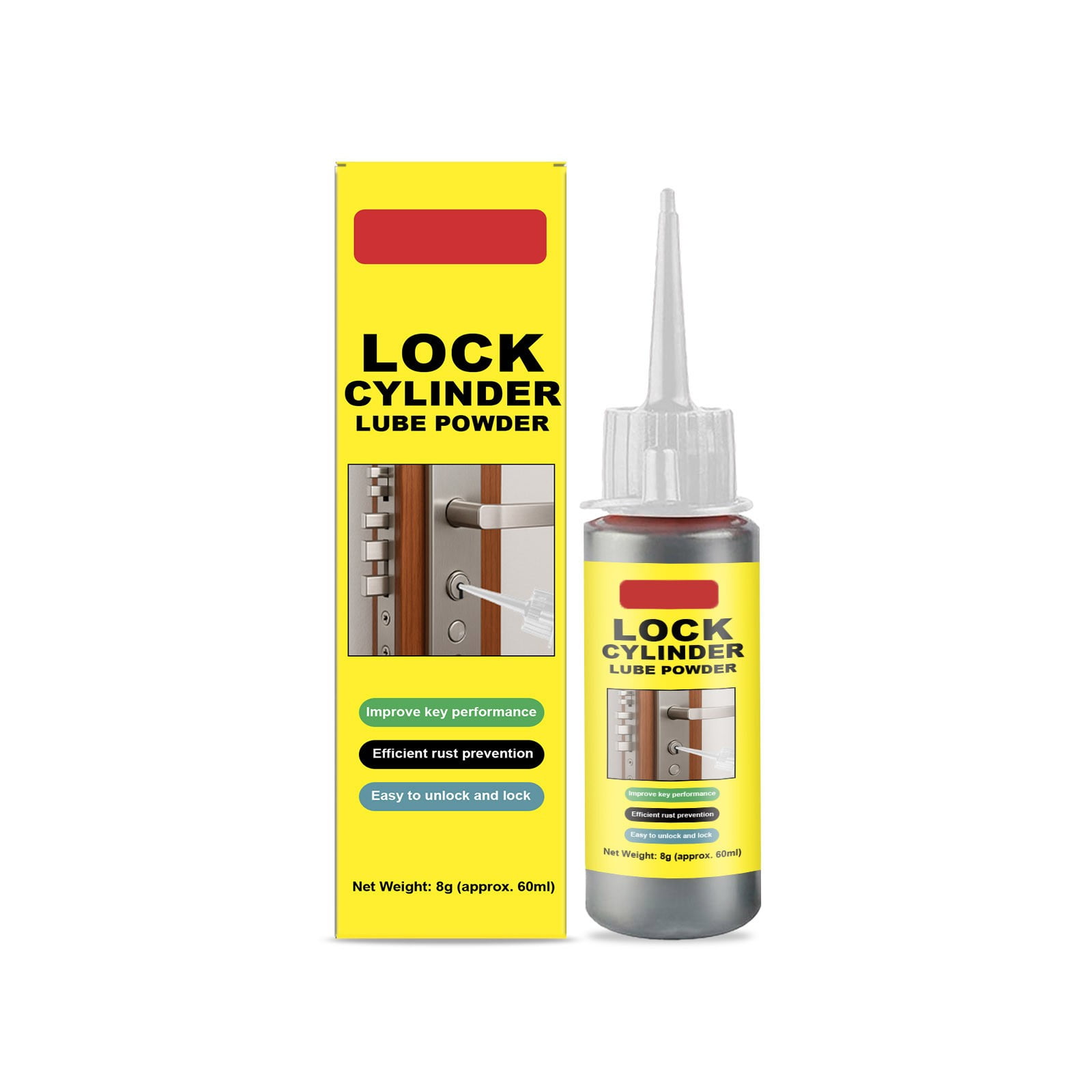
When your mechanical key won’t unlock the door, don’t panic. These common failures have simple solutions before calling professionals.
Why Your Key Won’t Turn
Top failure causes:
– Corrosion freezing the cylinder from years of disuse
– Worn key cuts failing to engage tumblers properly
– Broken linkage between cylinder and latch mechanism
– Non-functional “dummy” handle on certain trim levels
Quick field fixes:
– Try every potential lock point: passenger door, rear hatch, or even the fuel flap (common on European models)
– Spray graphite powder into the keyhole and work the key back and forth for 30 seconds
– Wait 2 minutes for lubrication to penetrate before retrying with steady pressure
When to call a locksmith: If all locks resist turning after lubrication attempts, mobile professionals use specialized tools like inflatable wedges and long-reach handles that won’t damage your vehicle. Expect $75-$150 for standard service.
Access Your Hood Without Cabin Entry
Once inside your dead battery car, you’ll need hood access for jump-starting—but what if you couldn’t enter through doors?
Standard Hood Release Process
- Locate the release lever on your left lower dashboard or driver kick panel
- Pull firmly until you hear the primary latch release
- Walk to the front, lift the hood 2 inches, then slide your hand under to release the secondary safety catch
Critical visual cue: The secondary latch typically requires a sideways push toward the driver’s side—look for the glow-in-the-dark tab if working in darkness.
Hood Access When Locked Out
Professional-only solutions:
– Tow truck operators use long-reach tools through grille openings
– Locksmiths access release cables via wheel well liners
– Some BMWs (pre-2010) allow grille removal to expose the cable
Never attempt DIY hood access by crawling under your vehicle. You risk electrical shorts from accidental contact with undercarriage components—a dangerous gamble with dead battery scenarios.
Open Trunk/Hatch With Dead Car Battery
SUV and hatchback owners face unique challenges since electric latches control rear access.
Mechanical Key Backup for Rear Access
Insert your emergency key into the rear lock cylinder (if present) and turn counter-clockwise. Note: Many 2020+ models eliminated rear key cylinders entirely—check your owner’s manual. If this fails, move to interior solutions.
Federal Safety Mandate Saves the Day
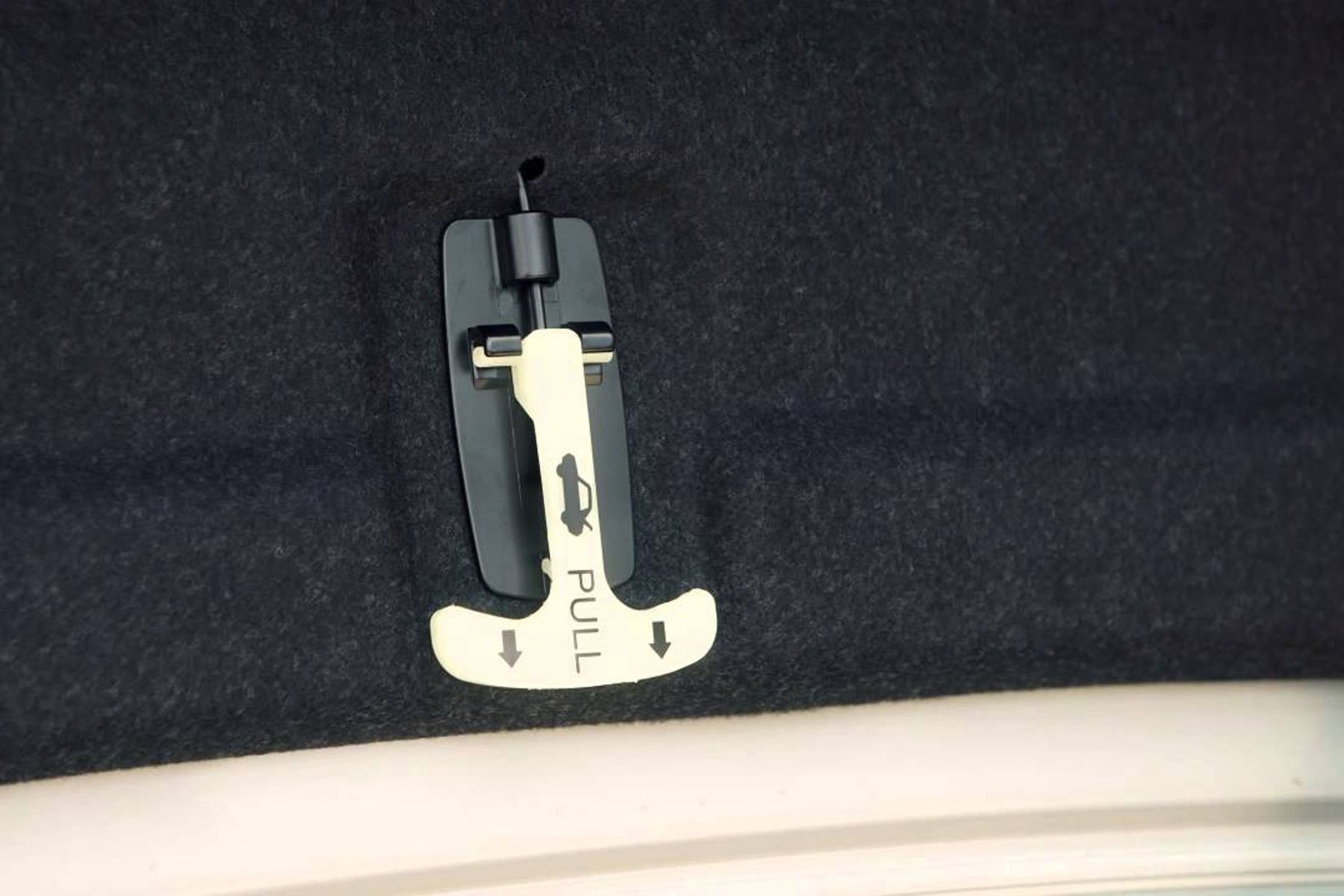
Since 2001, all vehicles include a glow-in-the-dark trunk release tab inside the cargo area. Access it by:
1. Entering through the front doors with your mechanical key
2. Folding rear seats using interior release levers
3. Crawling to the trunk and pulling the luminous tab
Time estimate: This takes 90 seconds once you know the path. Practice the seat-folding sequence now—it’s often hidden behind seatbacks.
Jump-Start Before Trunk Access (Last Resort)
When rear seats won’t fold, portable jump starters provide emergency power:
1. Connect to under-hood terminals (if accessible via hood release)
2. Or clip to interior 12V jump points specified in your manual
3. Wait 30 seconds for electrical systems to reboot
4. Press the trunk release button normally
Critical safety note: Never connect jump cables to a dead battery without proper ventilation—hydrogen gas buildup risks explosion.
Prevent Future Dead Battery Lockouts
Smart preparation takes just 10 minutes but eliminates future emergencies.
Key Fob Maintenance Protocol
- Replace batteries annually using CR2032 (most common), CR2025, or CR1632 cells
- Store spares in your glove box with a micro screwdriver
- Test monthly: Press fob buttons while walking away from your car—note the failure distance
Emergency Kit Essentials
Keep these under your driver’s seat:
– Micro lithium jump starter (fits in a wallet)
– Waterproof mechanical key copies for all entry points
– Small tube of graphite lubricant for lock cylinders
Pro move: Every six months, manually lock and unlock all doors with your mechanical key. This prevents corrosion and ensures cylinders remain functional.
Vehicle-Specific Quick Reference
| Model | Critical Tip | Common Failure Point |
|---|---|---|
| 2013 Ford Escape | Starter-terminal jump possible | Mechanical key often fails to actuate latch |
| Subaru Outback (2017+) | Tiny key requires pliers | Gen 6 models (2020+) have stiffer resistance |
| Toyota Prius | Fold rear seats first | Trunk release tab hidden under carpet |
| BMW F30 | No external hood release | Driver handle cap conceals key cylinder |
| Mercedes W205 | Driver door only unlocks mechanically | Trunk requires electrical power restoration |
Don’t wait for your next dead car battery emergency. Locate your mechanical key right now, test your manufacturer’s smartphone app, and store a jump starter within reach. When electronics fail—and they will—you’ll bypass the panic and unlock your vehicle like a seasoned pro. Remember: preparation transforms a stranded nightmare into a 60-second inconvenience. Your future self will thank you when that coffee cup stays upright in the parking lot.


