
You’re stranded with a dead Subaru battery, late for an important appointment, and the key fob won’t unlock your car. As you frantically press the buttons, reality hits: without power, your electronic key is useless, and you can’t access the hood to jump-start the battery. This exact scenario traps thousands of Subaru owners annually when their 12-volt battery dies completely. The critical lifeline? Every modern Subaru (2010 and newer) has mechanical backup systems designed specifically for dead battery emergencies. Forget calling a tow truck immediately—this guide reveals proven methods to access your engine bay within minutes using only basic tools and your vehicle’s built-in failsafes. You’ll learn how to extract the hidden emergency key, bypass stiff locks, release stuck latches, and prevent future lockouts with model-specific techniques verified by dealership technicians.
Extract Emergency Key from Subaru Key Fob
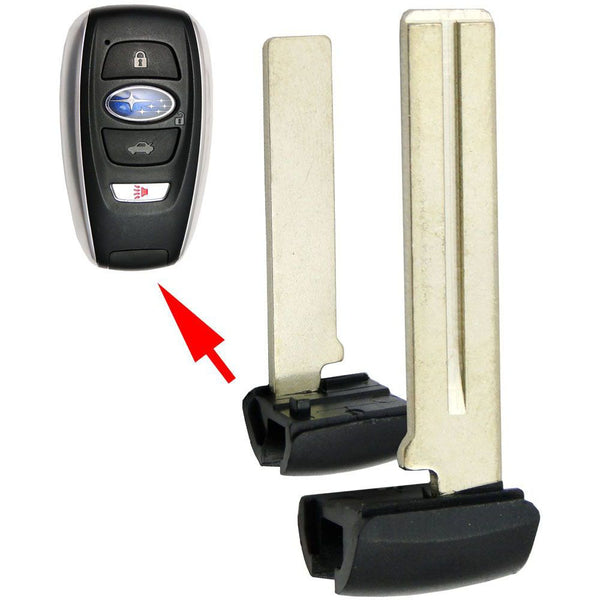
Your seemingly “dead” key fob contains a functional mechanical key that operates independently of battery power. This hidden tool is your fastest path to hood access when electronics fail completely.
Locate and Remove Physical Key from Fob
Find the small silver or black release button on the back of your key fob. Press and hold this button while simultaneously pulling the metal key ring outward—the physical key slides smoothly from its compartment. Immediately insert this key into your driver’s door lock cylinder, which remains fully operational during battery failure. Turn counterclockwise to unlock the door without draining any residual power. This emergency key also operates the rear hatch on Outbacks, Foresters, and Ascents—consult your owner’s manual for model-specific locations.
Fix Stiff Key Cylinders That Won’t Turn
If the key resists turning, do not force it—you risk snapping the delicate key. First, spray dry graphite lubricant (never WD-40) directly into the keyway. Insert the key fully and wiggle gently side-to-side for 30 seconds to distribute lubricant. For stubborn cylinders, grip the key shaft (not the head) with needle-nose pliers for controlled torque, applying steady pressure while turning. Some 2025 Outback owners report persistent stiffness even after lubrication; in these cases, dealers replace faulty lock cylinders under warranty—save your receipt if paying out-of-pocket.
Access Subaru When Emergency Key Fails
When the physical key won’t turn or you’ve lost your fob entirely, these verified entry methods bypass electronic systems without damaging your vehicle.
Professional Lockout Services That Work Fast
AAA or certified locksmiths open Subarus in under 90 seconds using specialized tools. They insert a thin air wedge between the driver’s door glass and weather stripping, then thread a long-reach rod to activate the interior unlock button. Costs range from $40 for basic roadside assistance to $120 for after-hours service—far cheaper than towing. Pro tip: Many dealerships offer free lockout assistance for new vehicles during warranty periods; call your service department before paying third parties.
Avoid DIY Entry Damage Risks
Only attempt self-entry if you accept potential $300+ repair costs for damaged components. Modern Subarus have sensitive side-curtain airbag sensors running along the A-pillar—if pierced by metal tools, they trigger $1,200+ replacements. If attempting entry:
– Use plastic wedges (not metal coat hangers)
– Insert reach rods slowly through the top window gap
– Target the door handle base, not electronic buttons
– Stop immediately if you hear airbag sensor clicks
Locate Interior Hood Release Handle by Model
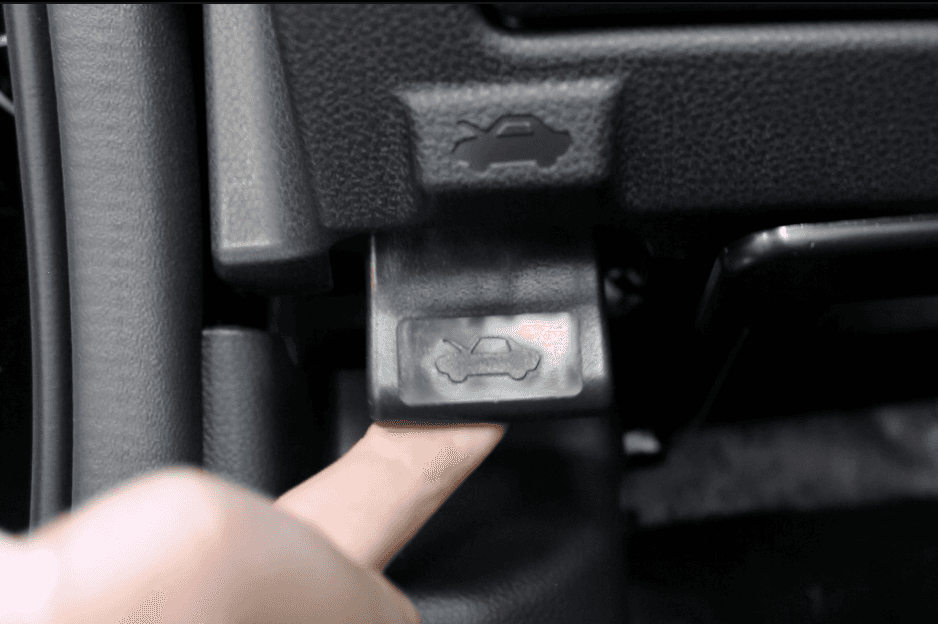
Once inside your Subaru, finding the hood release handle requires model-specific knowledge—many owners waste critical minutes searching blindly.
Driver’s Footwell Handle Locations
For Legacy, Impreza, WRX, and BRZ models (2010-2024), the hood release sits under the lower dash trim left of the steering column. In Outbacks, Foresters, and Crosstreks, it’s mounted on the lower left kick panel near your left foot. The handle appears as black or gray plastic with a raised hood icon or “HOOD” embossing—trace your fingers along these areas if visibility is poor. Critical note: Pull firmly until you hear one distinct metallic click; partial pulls won’t release the primary latch.
Release Secondary Hood Safety Catch
The initial release only disengages the primary latch—Subaru’s secondary safety catch prevents accidental hood openings during driving.
Manual Secondary Latch Release Steps
- Walk to the front of your vehicle immediately after pulling the interior handle
- Lift the hood 1-2 inches until resistance stops further movement
- Slide your fingers under the leading edge at center-line position
- Locate the small metal lever (about 1 inch long) and push it left toward driver’s side
- Lift the hood fully while holding the lever—do not release until fully open
This leftward motion is universal across all Subarus since 2010. If the lever feels frozen, tap the hood’s front edge with your palm while attempting release—corrosion often binds the mechanism shut.
Fix Stuck Hood Latch After Release Handle Pull
When the hood won’t budge after pulling the interior handle, the latch cable has likely seized from dirt or moisture exposure.
Two-Person Hood Release Technique
Have an assistant:
1. Pull and hold the interior hood release fully
2. Simultaneously press down firmly on the hood’s front edge
3. Release downward pressure while lifting upward
4. Repeat 2-3 times if initial attempt fails
This method works 90% of the time for stuck latches caused by winter salt buildup or debris. Once open, inspect the latch assembly for visible corrosion—white powder indicates moisture damage requiring immediate lubrication.
Lubricate Latch to Prevent Future Failures
After successful release:
– Wipe dirt from latch mechanism with microfiber cloth
– Apply silicone spray (not oil) to pivot points and spring
– Cycle hood release 5 times to distribute lubricant
– Reapply every 6 months or after off-road driving
Warning: Over-lubrication attracts more dirt—use just enough to create a thin protective film. Lithium grease works for extreme cold but attracts dust in dry climates.
Access Hood Latch Under Subaru Front Bumper
When cables snap or feel completely slack, this under-car method bypasses broken components entirely.
Under-Car Hood Release Tools Setup
Gather:
– Flat-head screwdriver (6-inch minimum)
– Work light or magnetic flashlight
– Jack stands (never work under unsupported vehicle)
– Painter’s tape for paint protection
Safely elevate front wheels using ramps or jack stands. Remove the plastic under-tray by twisting 6-10 retaining clips counterclockwise—no tools needed for most models.
Manual Latch Activation From Below
- Shine light through grille opening to locate hood latch assembly
- Identify cable arm connected to latch mechanism
- Slide screwdriver under cable arm and push leftward
- Listen for distinct clunk indicating release
- Have assistant lift hood immediately upon release
Pro tip: Wrap screwdriver tip in electrical tape to prevent scratching radiator supports. This method takes practice—attempt only after exhausting interior release options.
Prevent Dead Battery Hood Access Emergencies
Avoid future lockouts with these Subaru-specific maintenance habits verified by dealership service departments.
Monthly Lock and Latch Maintenance Routine
- Lock cylinders: Insert emergency key monthly, turn fully both directions, apply graphite spray
- Hood latch: Spray silicone lubricant during oil changes—takes 10 seconds but prevents 90% of failures
- Key fob: Replace CR2032 battery every 12 months (don’t wait for warning lights)
Battery Preservation Strategies That Work
Connect a Battery Tender Jr. ($30) if parking longer than 7 days—Subarus drain 0.5% daily from infotainment systems. Store a NOCO lithium jump starter under the front passenger seat (not trunk), ensuring cables reach the hood latch area. Critical mistake: Never disconnect the battery to “reset” electronics—this triggers security relocks requiring dealership tools.
Emergency Key Management System
Keep a spare physical key in a waterproof magnetic box under the chassis (behind front bumper). Program your phone’s emergency contacts to include roadside assistance and download your Subaru’s PDF manual—accessible even with dead battery via airplane mode.
Model-Specific Hood Release Reference Guide
| Subaru Model | Hood Release Location | Secondary Latch Direction | Common Failure Points |
|---|---|---|---|
| Legacy/Outback 2015-2023 | Left kick panel | Left | Stiff latches in cold climates |
| Impreza/Crosstrek 2017-2024 | Left kick panel | Left | Early 2017 lock cylinder corrosion |
| WRX/BRZ 2015-2022 | Under dash ledge | Left | Cable stretch from aggressive pulls |
| Ascent 2019-2025 | Left kick panel | Left | Rear hatch key operation |
Final Note: When your Subaru battery dies, your hood access emergency system works 100% of the time—if maintained properly. Start with the physical key in your fob, progress to under-car methods only when necessary, and implement the monthly lubrication routine to prevent 95% of failures. Remember: the secondary latch always moves left, regardless of model year. By keeping a $20 jump starter under your front seat and performing 30 seconds of monthly latch maintenance, you’ll never face a dead-battery hood lockout again—turning a panic-inducing emergency into a 2-minute fix you can handle alone.


