Your Tesla sits overnight in 25°F weather, the battery icon shows a snowflake, and you’re heading to a Supercharger. Without preheating, you’ll crawl in at 11 kW instead of 250 kW, adding an extra 45 minutes to your trip. Preheating your Tesla battery solves this—but most owners waste precious range doing it wrong. Tesla’s battery operates at peak efficiency between 68-86°F (20-30°C), yet cold temperatures cripple charging speed and regenerative braking. This guide reveals exactly how to preheat your Tesla battery efficiently whether you’re plugged in at home or racing to a Supercharger in freezing conditions. You’ll learn which methods actually save range versus those that drain your battery unnecessarily.
Skip Preheating Below 45°F? Wrong Threshold
Always skip preheating when:
– Ambient temperatures stay above 45°F (7°C)
– Using Level-2 destination chargers (11 kW or less)
– Taking short local drives under 10 miles
– No charger available nearby
Preheat immediately when:
– Temperatures drop below 45°F and you need Supercharging
– Planning any DC fast charge above 50 kW
– Starting mountain descents requiring instant regenerative braking
– Your car sat cold-soaked overnight without shore power
The critical detail most owners miss: Below freezing, an unpreheated battery charges at 70% slower speeds. At 14°F (-10°C), you’ll see just 11 kW instead of 250 kW on V3 Superchargers—a 45-minute difference for a 200-mile charge. Preheating transforms this into a 15-minute stop, but only if timed correctly for your temperature.
When Level-2 Charging Makes Preheating Pointless
Preheating delivers no meaningful speed gain for Level-2 charging (11 kW or less). The charger’s lower power output naturally warms the battery during the session. Attempting to preheat wastes 1-3% of your battery’s state of charge (SoC) for zero benefit. Save preheating exclusively for DC fast charging scenarios above 50 kW.
Model 3/Y Heat Pump Requirement Explained
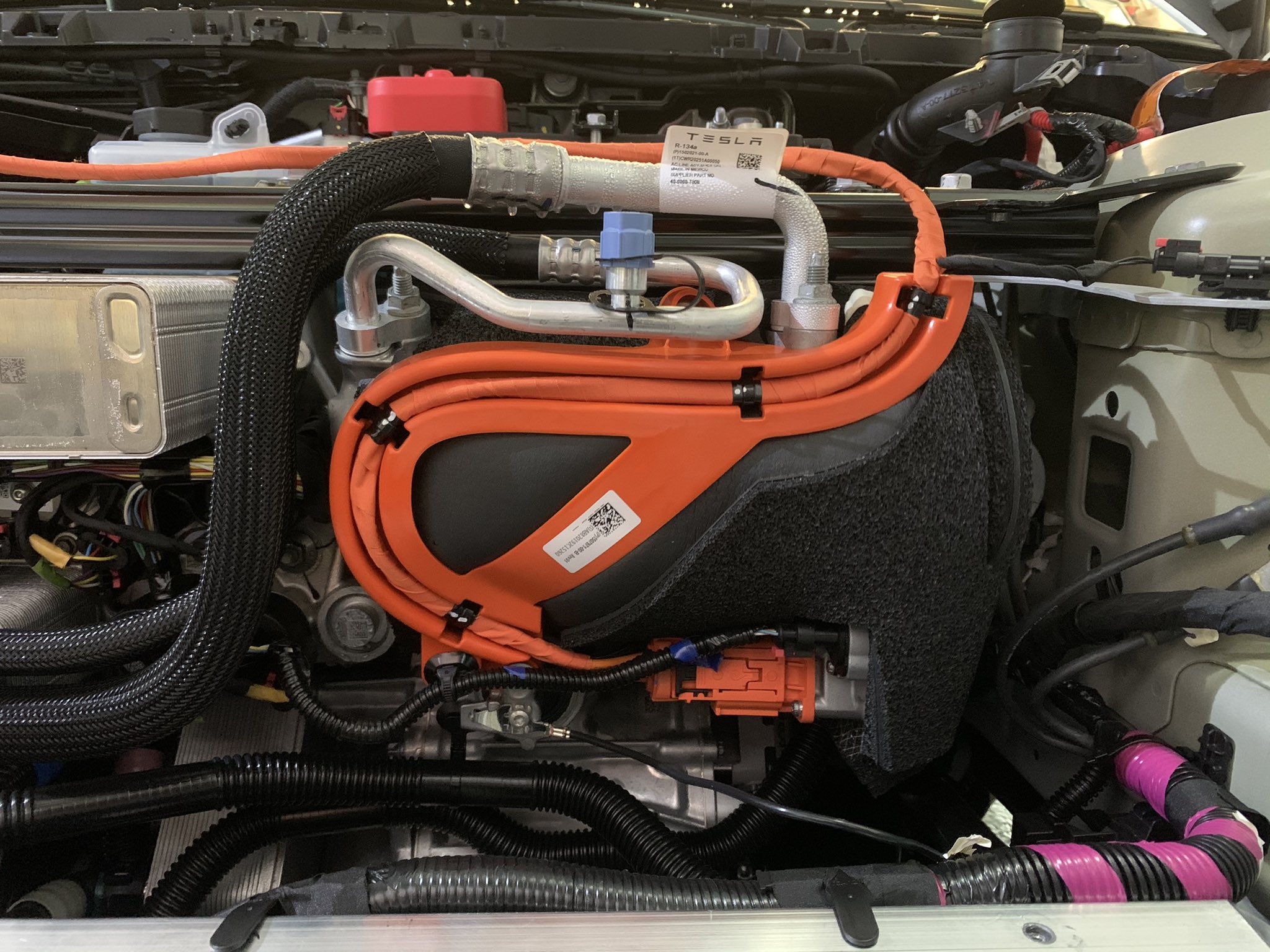
Automatic preheating works on:
– Model 3/Y built May 2021 or later (heat pump hardware)
– Model S/X 2023 refresh onward
– Any Tesla running firmware v9 2018.42+ (supports Navigate to Supercharger)
Manual preheating works on ALL models:
Older Teslas without heat pumps use drive-unit stator heating. When you activate climate control or aggressive acceleration, the motor spins against itself to generate resistive heat—warming the battery indirectly. You won’t see the “Preconditioning for fast charging” banner, but the system still functions.
Why Your 2020 Model 3 Actually Has a Heater
Contrary to common myths, Model 3s (even early builds) do heat batteries. They leverage the permanent-magnet drive unit as a built-in heater by creating controlled electrical resistance. Performance models heat fastest due to larger motor windings. Check for the snowflake icon disappearing after 10 miles of driving—that’s your proof the heater works.
Navigate-to-Supercharger Method (30-45 Min)
Activate preheating in 3 steps:
1. Open Tesla app or in-car navigation
2. Select any Tesla Supercharger as destination
3. Tap Navigate (red banner confirms “Preconditioning for fast charging”)
The system now heats your battery while you drive. Preheating continues until you reach 50% SoC or arrive at your destination. For maximum 250 kW speeds, arrive with ≤60% SoC—Tesla’s charge curve peaks in the 20-60% range.
Third-Party Charger Preheating Hack
Heading to ElectrifyAmerica or Ionity? Navigate to the nearest Tesla Supercharger first, then drive to your actual charger. The battery stays preheated regardless of plug type. At 14°F (-10°C), this 45-minute preheat cuts charging time from 72 minutes to 28 minutes for a 200-mile charge.
Temperature-Based Timing Guide
- 14°F (-10°C): 45 minutes preheating
- 32°F (0°C): 30 minutes
- 41°F (5°C): 15-20 minutes
Check your Tesla’s Service Mode (if enabled) for real-time battery temp. Target 77°F (25°C) for V3 Superchargers.
Wall Connector Setup for Overnight Preheating
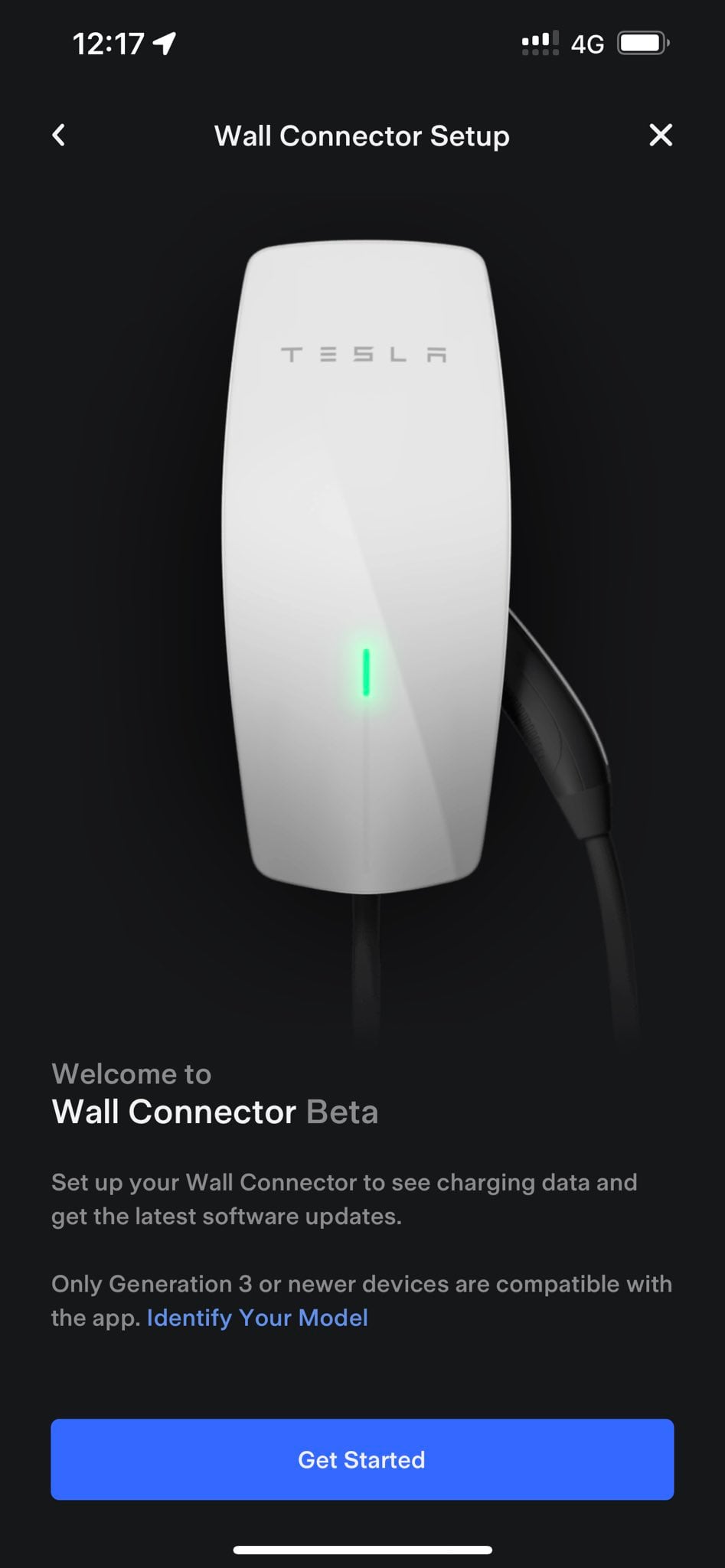
Perfect for daily commuters using Level-2 charging:
1. Tesla app → Schedule → Departure
2. Set exact weekday(s) and departure time
3. Plug into Wall Connector or home charger
4. Car wakes 30-45 minutes early to warm battery + cabin
This method uses shore power instead of battery energy, saving 1-3% SoC versus unplugged preheating. At 23°F (-5°C), a 30-minute preconditioning session consumes 2.1 kWh from the grid—zero impact on your driving range.
Critical Warning: Door Opening Cancels Schedule
If you open the driver door before departure time, Scheduled Departure shuts off. Restart immediately via Navigate-to-Supercharger if you still need preheating. Never rely solely on Scheduled Departure for Supercharger trips—you lose the real-time battery temp monitoring during drive.
Mobile App Climate Preheating (Plugged-In Only)
Activate when you need cabin heat anyway:
1. Tesla app → Climate → set desired temperature
2. Must be plugged in to avoid SoC loss
3. Tap On—battery heating engages automatically
This method couples cabin and battery heating. At 14°F (-10°C), it draws 5-7 kW of power. If unplugged, you’ll lose 3-5% SoC in 30 minutes—only use this when shore power is available.
Why “Battery Only” Preheating Doesn’t Exist
Tesla’s thermal system can’t separate battery and cabin heating via the app. The only exception is Performance S/X models using Ludicrous+ mode (in-car activation only). For all other models, climate control is your battery preheating trigger—but always plug in first.
Emergency Preheating for Unplugged Teslas
Cold morning, no charger, Supercharger 10 miles away?
Do nothing. Driving gently for the first 5-10 miles warms the battery naturally through:
– Regenerative braking during stops
– Motor heat from propulsion
– Internal resistance during acceleration
Aggressive acceleration (“range mode off + floor it”) heats faster but wastes 15-20% more energy and wears tires/brakes. At sub-zero temps, unplugged preheating consumes more range than it saves—you’ll net lose 3-5 miles of total range.
The Physics Behind Idle-Heating Waste
Heating an unpluged 75 kWh battery from 14°F to 77°F requires ~4.2 kWh of energy. During that same time, natural driving heat gain provides ~3.8 kWh. The 0.4 kWh deficit means you burn more range preheating than you recover—a net loss. Just drive.
Preheating Cost vs. Savings Breakdown

| Scenario | Energy Used | Range Saved | Net Gain |
|---|---|---|---|
| Plugged-in preheat (-10°C) | 0 kWh (grid) | 21% less energy used | +42 miles |
| Unplugged preheat (-10°C) | 4.2 kWh | 3.8 kWh equivalent | -4 miles |
| Natural warm-up while driving | 0 kWh | Full efficiency after 10 miles | +0 miles |
Preconditioned drives cost 21% less energy in -10°C conditions according to Autotrader tests. But this only applies when shore power is used—the moment you unplug, preheating becomes counterproductive.
Third-Party Charger Preheating Checklist
For ElectrifyAmerica/Ionity sessions below 45°F:
– [ ] Navigate to nearest Tesla Supercharger via app
– [ ] Confirm red “Preconditioning” banner appears
– [ ] Drive to actual charger (battery stays warm)
– [ ] Arrive with 20-60% SoC for max speed
At 14°F (-10°C), this method delivers 150 kW charging on EA stalls versus 45 kW without preheating. The “Supercharger pin trick” works because Tesla’s thermal system activates based on navigation data—not the physical charger type.
Why Range Mode Slows Preheating
Range Mode disables the dedicated battery heater to conserve energy—a critical flaw for cold weather. When activated:
– Coolant heater shuts off
– Battery warming relies solely on driving heat
– Supercharger speeds stay 30% slower even after preheating
Disable Range Mode 30 minutes before Supercharging. The 2-3% SoC “savings” from Range Mode cost you 20+ minutes at the charger.
Final Preheating Decision Flowchart
Follow these steps before every cold-weather charge:
1. Is temperature below 45°F? → Yes: Preheat. No: Skip.
2. Are you Supercharging or using >50 kW DC? → Yes: Use Navigate-to-Supercharger. No: Skip.
3. Is the car plugged in? → Yes: Use Scheduled Departure. No: Drive normally.
4. Using third-party DC charger? → Navigate to nearest Tesla SC first.
Preheating correctly transforms a 45-minute Supercharger stop into 15 minutes—but only when shore power fuels the process. Skip it when unplugged, and never waste energy preheating for Level-2 sessions. Your Tesla’s battery health and daily range depend on these precise actions.


