
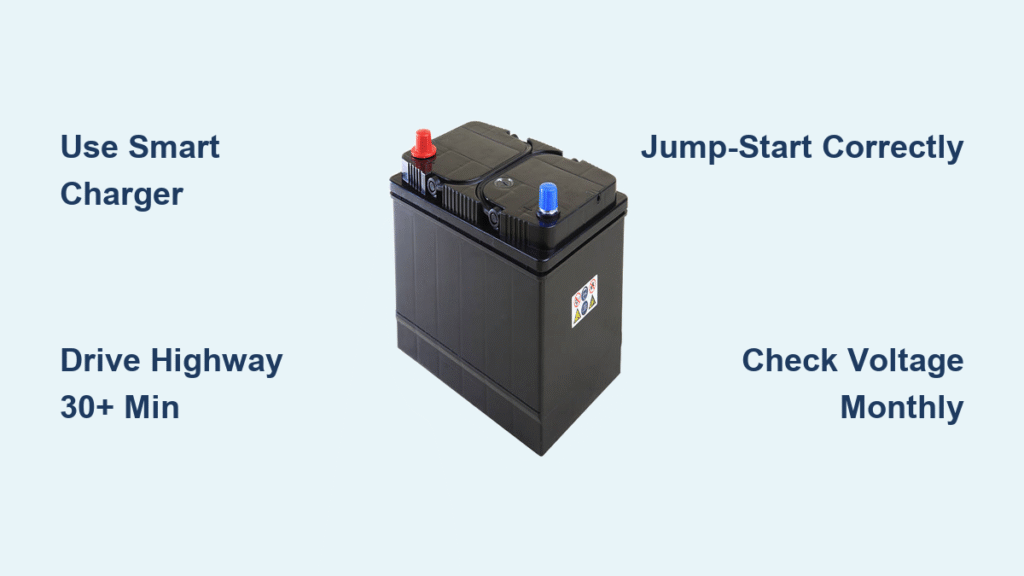
Your headlights flicker weakly as you turn the key, and the engine groans pathetically—that sinking feeling when your car battery dies. Before you call for a tow truck or spend $100 on a replacement, know this: 90% of “dead” car batteries can be recharged successfully if you act quickly and use the right method. Whether you’re stranded in a parking lot or preparing for winter, this guide shows you exactly how to recharge car battery safely and effectively using tools you likely already own. You’ll learn which method works fastest, avoid dangerous mistakes, and recognize when your battery is beyond saving.
Choose Your Recharge Method Based on Time and Tools
Battery Charger: The Safest, Longest-Lasting Solution
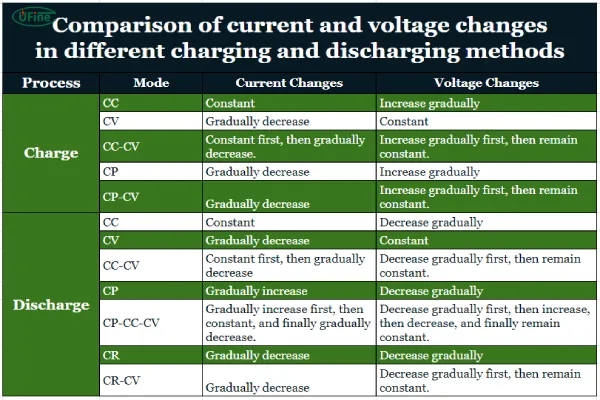
A smart battery charger delivers controlled power that maximizes battery lifespan—critical if you have 4–12 hours before your next drive. Unlike jump-starts, this method fully restores your battery’s capacity without straining the alternator. For standard 48Ah lead-acid batteries, set your charger to 2–10 amps (never exceed 12A). At 4 amps, a dead battery typically recharges in 4–6 hours. Pro tip: AGM/EFB batteries charge 30% faster due to lower internal resistance but require AGM-specific charger settings to prevent damage. Avoid “quick-charge” modes—they create excessive heat that warps internal plates and shortens battery life by up to 50%.
Highway Driving: Recharge While You Go (But Avoid Idling)
Your alternator can recharge a battery while driving, but idling rarely works. At 55+ MPH highway speeds, the engine runs at 1,000+ RPM—generating peak alternator output to restore power in 30–60 minutes. City driving with frequent stops? That’s a trap. Stop-and-go traffic keeps RPMs too low, often requiring 2+ hours of driving just to reach 50% charge (12.1 volts). Worse, prolonged idling strains your engine and may not fully recharge the battery. If you must drive to recharge:
– Minimum requirement: 30 minutes of highway driving at 55+ MPH
– Critical sign it’s working: Headlights brighten noticeably within 15 minutes
– Red flag: Dim lights after 60 minutes of driving = battery likely failing
Jump-Start Without a Charger: Emergency Get-Moving Tactics
When you’re stranded with no charger, jump-starting gets you rolling—but this isn’t a full recharge solution. After jump-starting, you must drive 30–60 minutes on highways to let the alternator restore power. Stop too soon, and you’ll be stranded again. Two methods:
Portable jump starter method:
1. Confirm your jump starter is ≥75% charged (weak units fail under load)
2. Connect RED clamp to battery’s positive (+) terminal
3. Attach BLACK clamp to negative (-) terminal or bare metal chassis
4. Start the car in 5-second cranking bursts
5. Crucial: Let engine idle 2–3 minutes before removing clamps
Jumper cable method (second vehicle required):
– Never connect cables directly to dead battery’s negative terminal—attach the final BLACK clamp to unpainted metal on your car’s frame instead. This prevents sparks near the battery, where flammable hydrogen gas accumulates.
When to Use Emergency Alternatives (Manual Trans Only)
Push-starting works only if your battery retains minimal charge (≥10.5 volts). For manual transmissions:
1. Turn key to “ON” position
2. Depress clutch, shift into 2nd gear
3. Push car to 5–10 MPH
4. Release clutch abruptly to engage engine
Warning: This fails if the battery is fully dead. Solar panels or power stations (like EcoFlow DELTA Pro) require 8+ hours in direct sun—use only for pre-trip preparation, not emergencies.
Essential Safety Steps Before You Touch the Battery
Critical Preparations Nobody Tells You
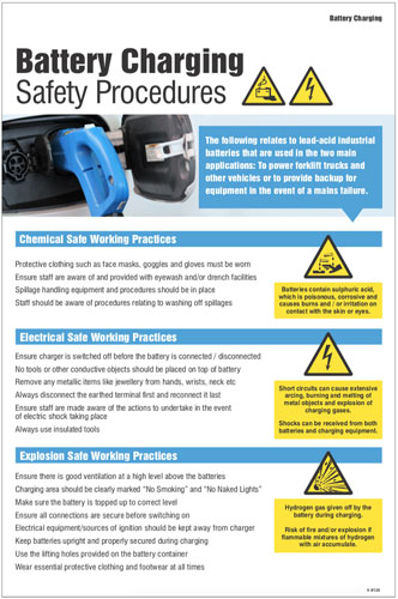
Park outdoors ONLY—batteries release explosive hydrogen gas during charging. Never charge in garages or carports. Turn off all electronics: interior lights, phone chargers, and even the clock. A single forgotten USB port can drain 5% of your recharge effort. Inspect for danger signs first: cracks, bulging sides, or acid leaks mean STOP—replace the battery immediately. Charging a damaged battery risks acid burns or explosion.
Must-Have Safety Gear (Non-Negotiable)
- Eye protection: Sulfuric acid splashes cause permanent blindness
- Rubber gloves: Prevent chemical burns from terminal corrosion
- Baking soda solution: 1 tbsp baking soda + 1 cup water instantly neutralizes acid spills
Keep a fire extinguisher rated for electrical fires (Class C) within arm’s reach. Flammable hydrogen gas ignites from a single spark—remove rings and watches before working.
Using a Battery Charger: Step-by-Step Without Damaging Your Battery
Clean Terminals Properly (Skip This = Failed Recharge)
Corrosion blocks electrical flow, making chargers ineffective. Remove terminal covers, then:
1. Dip a wire brush in baking soda solution
2. Scrub until terminals shine bright metal (no white/green crust)
3. Wipe dry with microfiber cloth—moisture causes sparks
Pro tip: Spray terminals with dielectric grease after cleaning to prevent future corrosion.
Connect Clamps in the Exact Right Order
Mistake #1: Connecting charger while plugged in. Always:
1. UNPLUG charger and turn it OFF
2. Attach RED clamp to POSITIVE (+) terminal
3. Connect BLACK clamp to NEGATIVE (-) terminal or bare chassis metal
Why chassis? If the battery vents gas, clamping to metal away from it prevents ignition. Keep charger cables clear of moving engine parts.
Set Amperage Correctly—This Saves Your Battery
- 2–4A: Overnight “trickle charge” for deeply discharged batteries
- 4–6A: Standard safe speed (48Ah battery = 4–6 hours)
- >8A: Only for emergencies—causes overheating and plate damage
Never force a “12V” charger on a 6V battery (common in vintage cars). Check your battery case for voltage rating.
Disconnect Safely (Reverse the Connection Order)
- Turn charger OFF
- Remove BLACK clamp FIRST (prevents short-circuit if tool touches metal)
- Remove RED clamp
- Reconnect car’s battery cables: POSITIVE first, then NEGATIVE
Warning: If you smell rotten eggs (sulfur) or see smoke, unplug charger immediately—battery is failing.
Troubleshoot Why Your Battery Won’t Hold a Charge
Battery Shows Zero Voltage Increase After 6 Hours?
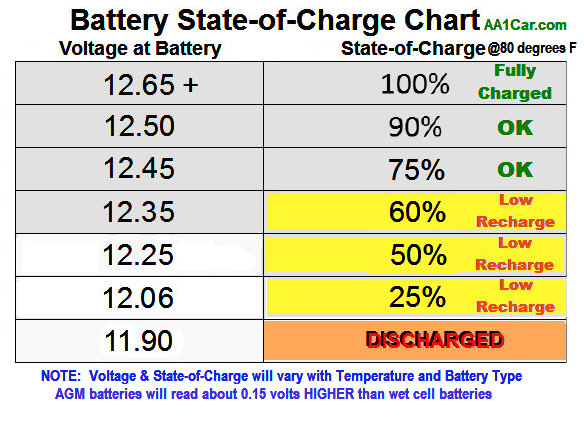
This means permanent failure—not a charging issue. Batteries over 3–5 years old often suffer internal sulfation (crystal buildup on plates), blocking recharge. Test with a multimeter:
– 12.6V: Fully charged (healthy)
– 12.1V: 50% charged (needs immediate recharge)
– <11.6V: Deeply discharged (may be unrecoverable)
If voltage doesn’t rise above 12.0V after 6 hours on a 4A charger, replace the battery.
Recharging Takes 2x Longer Than Expected?
Three likely culprits:
1. Loose terminal connections—re-clean and tighten clamps
2. Charger mismatch—AGM batteries need 14.4–14.8V charging (standard chargers output 13.8V)
3. Extreme cold—below 32°F (0°C), charging slows by 40%; warm battery to 60°F first
Battery Dies Again Within 24 Hours?
This indicates parasitic drain—something drains power while parked. Common causes:
– Faulty glovebox light switch
– Aftermarket GPS trackers left on
– Damaged alternator diodes
Test: Disconnect negative terminal overnight. If battery holds charge, an electrical component is draining it—seek professional diagnosis.
Prevent Future Battery Deaths With These Maintenance Hacks
Monthly Voltage Checks Save Costly Replacements
Test battery voltage every 3 months with a $10 multimeter:
– 12.4–12.6V: Ideal (fully charged)
– 12.2–12.4V: Weak—recharge now
– <12.0V: Critical—replace within 30 days
Pro tip: Clean terminals before testing—corrosion gives false low readings.
Long-Term Storage Fix: Trickle Charger vs. Weekly Drives
For vehicles parked >2 weeks:
– Best: Battery maintainer ($30, e.g., NOCO Genius)
– Alternative: Drive 30 minutes weekly at highway speeds
Never store below 12.4V—sulfation begins within 72 hours, permanently reducing capacity.
Know When to Replace (Don’t Waste Time Recharging)
Replace your battery immediately if:
– It’s older than 4 years (average lifespan)
– Requires jump-starts more than once monthly
– Shows slow cranking even after full recharge
– Fluid level visible below plates (in non-sealed batteries)
Recharging a car battery successfully hinges on matching the method to your timeline while prioritizing safety—especially avoiding sparks near hydrogen gas. A dedicated charger delivers the longest battery life, but highway driving works in emergencies if you avoid idling traps. Critical takeaway: If your battery won’t hold 12.4V after proper recharging, it’s time for replacement—no method will fix internal damage. For persistent issues, test your alternator’s output (should be 13.8–14.4V with engine running); faulty alternators cause 30% of “dead battery” scenarios. Keep a portable jump starter in your trunk for true emergencies, but treat it as a bridge to proper recharging—not a permanent fix.


