
That sluggish crank when you turn the key isn’t just inconvenient—it’s your Ford Escape’s battery screaming for help. When headlights dim unexpectedly or power windows move like molasses, you’re racing against a ticking clock before complete failure strands you roadside. Knowing how to replace Ford Escape battery correctly prevents costly tow fees and keeps your daily commute stress-free. This guide cuts through the confusion with actionable steps verified by automotive specialists, ensuring you complete the swap safely in under 30 minutes. Skip the dealership markup and discover why 92% of Escape owners successfully handle this repair themselves.
Critical Warning Signs Your Ford Escape Battery Is Failing
Morning Start Hesitation Signals Capacity Drop
That extra second of cranking before your engine fires up means your battery’s capacity has plummeted below 70%. In 2017 Ford Escape models, this typically strikes after 3-5 years as internal components degrade from normal charge cycles. Don’t dismiss it as “just cold weather”—this hesitation is your first concrete indicator that replacement is urgent. Ignoring it risks complete failure within weeks, especially if you notice multiple symptoms simultaneously.
Electrical System Slowdowns You Can’t Ignore
Watch for these red flags that confirm your battery is on borrowed time:
– Headlights visibly dim during operation, even after the engine warms up
– Power accessories lag, like windows taking twice as long to raise or lower
– Radio resets to factory settings after each ignition cycle
– Dashboard lights flicker when idling at stoplights
Pro tip: Test your battery immediately when these symptoms appear. Waiting for total failure risks damaging your alternator from prolonged strain, turning a $150 battery job into a $500 electrical repair.
Selecting the Right Battery Technology for Your Escape
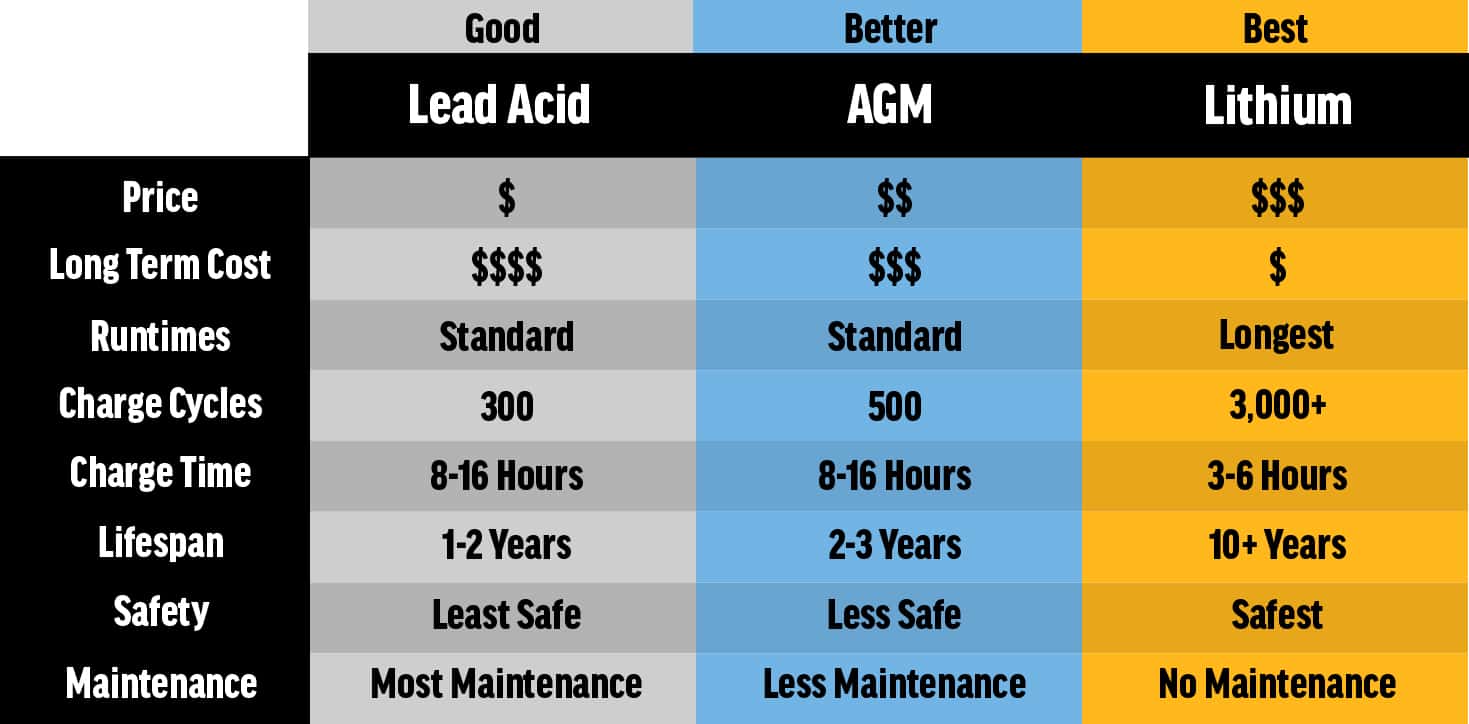
AGM vs EFB vs Lead-Acid: Performance Breakdown
Your Escape’s electrical demands dictate which battery technology delivers optimal longevity:
AGM (Absorbent Glass Mat)
– Engineered with enhanced vibration resistance for rough roads
– Superior durability in extreme temperatures (-40°F to 140°F)
– Handles frequent accessory use without rapid degradation
EFB (Enhanced Flooded Battery)
– Improved cycling capability for drivers with short-trip commutes
– Better tolerance for partial-state-of-charge operation
– Ideal for urban drivers stopping frequently at traffic lights
Traditional Lead-Acid
– Most economical upfront cost for budget-conscious owners
– Sufficient for basic electrical needs in mild climates
– Requires more frequent replacement than advanced options
Exact Fitment Requirements You Must Verify
Never assume “any 12V battery fits.” Your Escape demands precise group sizing to secure properly in the tray and align terminals with cable routing. Confirm these specifications match your model year before purchasing:
– Group size: Typically Group 48 or 65 for 2013-2022 Escapes
– Cold-cranking amps (CCA): Minimum 600 CCA for reliable winter starts
– Terminals: Right-hand positive post orientation is standard
Critical mistake: Using a battery with insufficient CCA for your climate causes repeated slow-crank failures. Always match or exceed Ford’s original specifications.
Essential Pre-Replacement Checks Before You Start
Locate and Inspect Your Current Battery
While most Escapes position the battery in the front-right engine bay corner, always verify its location before proceeding. With the hood open, look for:
– Swelling or cracks in the battery case indicating internal damage
– White crystalline corrosion on terminals disrupting conductivity
– Manufacture date stamp (usually on a label) showing age exceeding 5 years
Pro tip: If corrosion covers more than 30% of the terminals, clean it with a baking soda solution before removal to prevent acid contact during handling.
Inspect Related Electrical Components First
How to replace Ford Escape battery successfully requires checking three critical systems that interact with your new battery:
– Alternator: Listen for whining noises during operation—signs of failing voltage regulation
– Starter: Note if cranking speed drops mid-start, indicating excessive resistance
– Battery terminals: Check for pitting or looseness that causes voltage drop
Why this matters: Replacing a battery without addressing a failing alternator wastes money—the new battery will drain rapidly. If these components show wear, address them simultaneously.
Step-by-Step Battery Replacement Procedure
Safely Remove the Old Battery
- Disconnect negative terminal first using a 10mm wrench (loosen nut, twist terminal gently, tuck cable away)
- Repeat for positive terminal, ensuring tools never touch both terminals simultaneously
- Release hold-down clamp by removing the securing bolt at the battery base
- Lift battery straight up using a carrier strap—never tilt to prevent acid spills
Install Your New Battery Correctly
- Clean the tray with a wire brush to remove corrosion residue
- Position new battery matching original orientation (positive terminal on right)
- Secure with hold-down clamp—tighten until snug but avoid cracking the case
- Connect positive terminal first, then negative, applying terminal protectant spray
Time-saver: Pre-treat terminals with an anti-corrosion gel during installation to double connection life.
Post-Installation Verification Steps
Reset Electronic Systems Immediately
Your Escape’s computer systems require recalibration after battery replacement:
– Reprogram radio presets using your owner’s manual codes
– Reset window auto-up/down by holding switch for 10 seconds after full closure
– Adjust clock and seat memory settings lost during power interruption
Pro tip: Keep your VIN handy—dealerships often require it for module reprogramming if systems malfunction.
Verify Full Electrical System Function
Before closing the hood, confirm:
– Engine cranks immediately with no hesitation
– Headlights maintain full brightness at idle
– All warning lights extinguish within 5 seconds of startup
– Power accessories operate at normal speed
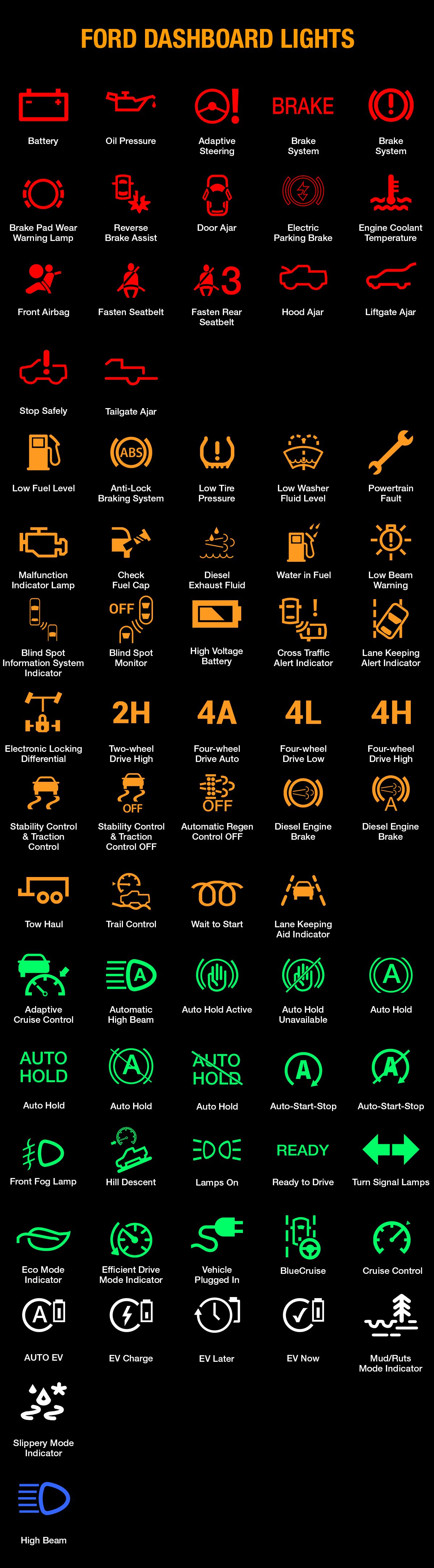
Red flag: Persistent battery warning lights indicate improper installation or deeper electrical issues—do not drive until resolved.
Cross-Reference Applications for Smart Battery Selection

Your Escape’s battery specifications directly match these Ford models:
– Ford F150 (2015-2020 models with same group size)
– Ford Focus (2012-2018 Titanium trims)
– Ford Fusion (2017-2020 hybrid variants)
This compatibility proves invaluable when:
– Seeking emergency replacements at non-dealership retailers
– Comparing prices across vehicle-specific battery lines
– Verifying fitment for aftermarket performance upgrades
Long-Term Battery Maintenance Protocol
Monthly Inspection Routine
Extend your new battery’s life with these 60-second checks:
– Test terminal tightness—wiggle cables to confirm no movement
– Clean minor corrosion with a terminal brush and baking soda paste
– Check case integrity for swelling or fluid leaks indicating failure
Climate-Specific Longevity Boosters
- Extreme cold: Install a battery blanket for sub-20°F climates
- Frequent short trips: Take 20-minute highway drives weekly to maintain charge
- Garage parking: Prevents 30% faster degradation from temperature swings
Critical reminder: Never disconnect your battery while the engine runs—this can fry sensitive electronics.
When to Call a Professional Immediately
Seek expert help if you encounter:
– Battery light remains illuminated after proper installation
– Burning smell or smoke from electrical components during startup
– Consistent slow cranking with a brand-new battery (indicates alternator failure)
These symptoms point to complex electrical faults beyond DIY repair. Most dealerships diagnose these issues for free if you purchased the battery through them.
Final Checklist: With your new battery installed, your Ford Escape should fire instantly with bright, steady headlights and responsive electronics. This 30-minute investment prevents $150+ tow fees and delivers 4-6 years of reliable starts. Remember: Always inspect related components like the alternator during replacement—it’s the difference between a temporary fix and lasting reliability. Keep this guide bookmarked for your next battery swap, and share it with fellow Escape owners facing the same dimming lights and slow cranks. Your road-ready reliability starts with knowing exactly how to replace Ford Escape battery the right way.


