
You’ve replaced the oxygen sensor, fixed the vacuum leak, and cleared the check engine light—yet that stubborn CEL keeps flickering back on during your commute. Or maybe your car idles roughly after installing new spark plugs, and you dread losing radio presets by disconnecting the battery. Here’s the good news: modern vehicles let you reset your car’s ECU in under 10 minutes without touching a single battery terminal. This guide reveals four foolproof methods that preserve your clock settings while clearing error codes and recalibrating your engine computer. You’ll learn exactly when to use an OBD-II scanner, master the pedal dance for push-button starters, and avoid dangerous fuse-pulling mistakes that could disable your airbags.
Unlike older vehicles, today’s engine control units store adaptive data separately from your radio memory. When you reset the ECU properly, you only erase fuel trims and idle calibrations—not your favorite stations or seat positions. Most drivers don’t realize that disconnecting the battery often causes more problems than it solves, triggering security relocks and transmission relearning headaches. By using the targeted methods we’ll cover, you maintain your vehicle’s comfort settings while giving the engine computer a clean slate to relearn optimal performance. Whether you’re troubleshooting after a repair or preparing for emissions testing, these techniques work on any 1996+ OBD-II compliant vehicle.
OBD-II Scanner Method (Most Reliable)

This approach gives you surgical precision when resetting your ECU while capturing critical diagnostic data. Forget expensive dealer tools—basic $15 Bluetooth scanners paired with free smartphone apps deliver professional results. You’ll know exactly which codes caused the issue and confirm when they’re truly cleared.
Required Tools and Setup
Grab any OBD-II scanner (even budget models from Amazon or auto parts stores) and locate your vehicle’s 16-pin diagnostic port. It’s typically under the dashboard near your left knee, though some trucks tuck it near the center console. Ensure the scanner matches your vehicle’s OBD-II standard—every gasoline car sold in North America since 1996 uses this universal connector. Critical reminder: Never force the scanner into the port; misalignment can bend pins and cost hundreds in repairs.
Step-by-Step Scanner Reset
- Connect scanner with ignition OFF – Insert the tool firmly but gently
- Turn ignition ON (engine remains off) – Watch for scanner initialization
- Select your vehicle if prompted – Match year/make/engine exactly
- Read stored codes – Write down all DTCs before clearing; this is your diagnostic roadmap
- Clear codes – Navigate to “Erase Codes” or “Reset ECU” in the menu
- Confirm reset – Wait for “Command successful” message (don’t skip this!)
- Turn ignition OFF for 10 seconds – Allows system stabilization
- Start engine and idle 2-3 minutes – Listen for smooth operation
- Test drive 5-10 miles – Verify CEL stays off during acceleration and coasting
Pro Tip: If codes immediately return after clearing, you’ve got a hard fault—not a glitch. Scan again before driving further; that persistent P0171 code likely means a vacuum leak you missed.
Key Cycle Soft Reset
When you’re stranded without tools, this key-based technique clears temporary sensor glitches using your ignition switch. It exploits how ECU capacitors discharge during prolonged power cycles—a clever workaround that works on nearly all key-start vehicles.
Key Ignition Procedure
- Turn ignition ON (engine off) – Dashboard lights illuminate fully
- Wait exactly 10 minutes – Set a timer; premature turning off leaves residual charge
- Turn OFF completely – Rotate key fully to “LOCK” position
- Repeat ON-OFF cycle twice more – Total of three 10-minute cycles
- Start engine – Expect slightly rough idle for 30 seconds as ECU relearns
- Drive 5-10 miles – Include highway speeds to complete adaptation
Warning: This won’t fix physical faults like a cracked coil pack. If the check engine light returns within 20 miles, you need professional diagnostics.
Push-Button Start Variation
Modern push-button vehicles require millisecond timing—get this wrong and you’ll trigger limp mode:
- Foot OFF brake, press START twice to ON mode (no engine cranking)
- Depress accelerator 5 times in 5 seconds – Must be rapid, full presses
- Wait 7 seconds, then hold pedal down 10 seconds – Watch for slow CEL blinking
- Release pedal, then hold down 10 seconds again – CEL should flash rapidly
- Turn OFF with START button, then restart normally
Visual cue: If the CEL stays solid instead of blinking during step 3, restart the sequence immediately—timing is manufacturer-specific.
Fuse Pull Reset Technique
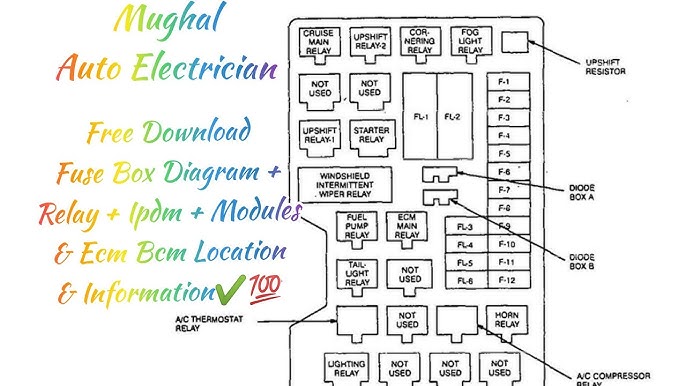
This targeted power cut isolates the ECU while preserving other systems—a safer alternative to battery disconnection. But pull the wrong fuse and you might disable your anti-lock brakes. Accuracy is non-negotiable.
Locate Your ECU Fuse
Critical identification steps:
– Consult your owner’s manual—never guess fuse labels
– Search for “ECM,” “ECU,” “PCM,” or “Engine” on the fuse box diagram
– Confirm amperage (typically 15-25A) matches your vehicle specs
– Never touch fuses labeled “AIRBAG,” “ABS,” or “SRS”—this could disable life-saving systems
Common pitfalls: Some vehicles hide ECU fuses in the engine bay; others use dual fuse boxes requiring simultaneous pulls.
Fuse Reset Process
- Remove ignition keys – Prevent accidental activation
- Extract ECU fuse using plastic pullers (no metal pliers near live circuits)
- Wait 15 minutes minimum – Capacitors need full discharge time
- Reinsert fuse firmly until it clicks into place
- Turn ignition ON for 10 seconds – Allows system handshake
- Start engine and monitor idle behavior for 3 minutes
- Complete 5-mile test drive – Focus on acceleration smoothness
Danger zone: On BMWs and some Toyotas, pulling the ECU fuse also resets transmission adaptive data. Expect jerky shifts for the first 20 miles.
Post-Reset Relearning Phase
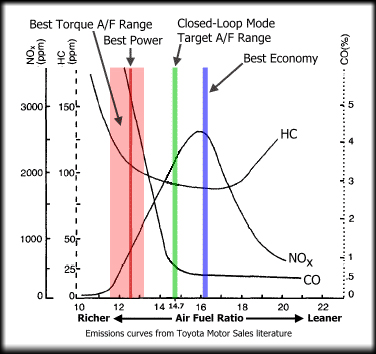
Your ECU enters a critical adaptation period immediately after reset—ignoring this phase causes unnecessary panic when your car drives “strangely.” Understanding these temporary changes prevents misdiagnosis.
What to Expect Immediately
- Rough idle for 60 seconds – Normal as ECU recalibrates airflow
- Delayed throttle response – Feels like lag during initial acceleration
- Fuel economy drops 10-15% – Returns to normal after 100 miles
- Transmission shifts feel different – Especially noticeable in automatics
Expert note: Short-term fuel trims will show 0.0% on scanners—a baseline value that gradually adjusts toward optimal during relearning.
Drive Cycle Completion
To pass emissions testing, complete this standardized drive cycle within 7 days:
- Cold start – Engine below 122°F (no recent driving)
- Idle 2.5 minutes – A/C and defroster OFF
- Accelerate steadily to 34 mph – Hold speed for 3 minutes
- Coast to 28 mph without braking – Maintain for 1 minute
- Accelerate to 40 mph – Sustain for 5 minutes
- Stop and idle 2 minutes – Cycle A/C ON for 30 seconds
Time commitment: Full readiness monitor completion typically requires 30-100 miles of varied driving—don’t panic if the “EVAP monitor not ready” message appears.
Troubleshooting Reset Failures
When your check engine light returns within minutes, the ECU reset exposed—not fixed—the underlying issue. This diagnostic roadmap separates temporary glitches from serious faults.
Common Post-Reset Issues
- CEL returns during drive cycle: Pending codes indicate intermittent faults—check wiring harness connectors for corrosion
- Persistent rough idle: Clean the throttle body; carbon buildup prevents proper airflow adaptation
- Performance still sluggish: Rescan for pending codes (P1xxx series) that don’t trigger the MIL
- New hesitation under load: Vacuum leaks often hide near intake manifolds—listen for hissing sounds
Red flag: If the same code (like P0300 random misfire) returns immediately after clearing, inspect spark plug wires and coil packs before resetting again.
Next Steps When Reset Fails
- Re-scan with ignition ON (engine off) – Captures stored codes before driving
- Check live data – Monitor O2 sensor voltage and MAF readings for anomalies
- Inspect vacuum lines – Focus on brittle rubber sections near the firewall
- Clean throttle body – Use electronic-safe cleaner and a microfiber cloth
- Test sensor outputs – Compare MAF readings to manufacturer specifications
Pro move: Record fuel trims before and after reset—consistent +20% long-term trim indicates an air/fuel imbalance needing mechanical repair.
Essential Safety Reminders
Never treat ECU resets as repairs—they’re diagnostic tools, not magic fixes. Clearing codes without fixing underlying issues risks catalytic converter damage from unburned fuel. Newer vehicles (2018+) may log reset attempts in dealer diagnostic systems, potentially voiding warranties for unauthorized procedures. Always verify your manufacturer’s policy before resetting.
After successful reset, monitor your car for 3-5 full drive cycles. If the check engine light stays off but driveability feels “off,” your ECU might need additional adaptation time. Avoid short trips during this period—frequent cold starts prolong relearning. Should issues persist beyond 100 miles, seek professional diagnostics; persistent misfires can destroy expensive components.
Final Checklist:
– [ ] Scanned and documented codes BEFORE reset
– [ ] Repaired mechanical/electrical faults causing original codes
– [ ] Verified ECU fuse location using owner’s manual
– [ ] Completed full drive cycle after reset
– [ ] Monitored vehicle for 100 miles before emissions testing


