
Your Lexus won’t start, the dashboard lights flicker weakly, and you hear that dreaded clicking sound—classic signs of a dead 12-volt battery. Whether you’re stranded in a parking lot or preparing for an important meeting, knowing how to start Lexus with dead battery transforms frustration into action. This guide delivers model-specific jump-start procedures for both conventional gasoline models like the ES 350 and hybrid powerhouses like the RX 450h. You’ll learn exactly where to connect cables, avoid costly mistakes, and recognize when professional help is essential—getting you back on the road in under 15 minutes.
Find Your Lexus Battery Location Fast

Standard Models: Engine Bay Access
Pop your hood and locate the rectangular 12-volt battery near the front-left corner. Non-hybrid models—ES, IS, GS, and NX series—feature clearly labeled positive (+) and negative (-) terminals in a plastic tray. If corrosion (that white powdery substance) covers the terminals, wipe it away with a clean rag before connecting cables. Critical visual cue: The positive terminal always has a red plastic cover while the negative has black.
Hybrid Models: Hidden 12-Volt System
Hybrids like the RX 450h, ES 300h, and NX 350h operate differently—they have two batteries. The high-voltage traction battery under rear seats powers the electric motor (never touch this!). For jump-starting, you’ll access the 12-volt accessory battery through a designated jump-start terminal in the engine bay. Look for a red plastic cover labeled “+” near the fuse box—this is your connection point, not the actual battery.
Quick Terminal Identification
- Red cap or exposed metal with “+” = positive terminal (connect red clamp here)
- Black cap or unpainted metal bolt = grounding point (connect black clamp here)
- Fuzzy white buildup = corrosion (clean with wire brush before proceeding)
Warning: Never confuse the hybrid’s jump-start terminal with the high-voltage system—incorrect contact risks severe electrical damage.
Gather These Essential Jump-Start Tools
Required Equipment Checklist
You’ll need heavy-duty 8-gauge (or thicker) jumper cables, a second vehicle with a healthy battery, safety gloves, and eye protection. Before starting, inspect cables for frayed wires or exposed metal—damaged cables cause sparks or failed jumps. Pro tip: Keep a clean rag in your trunk to wipe terminals; corrosion blocks electrical flow during jump-starting.
Emergency Backup Solution
A portable lithium jump pack eliminates dependency on another vehicle. Modern units like the Noco Boost Plus can restart your Lexus up to 20 times per charge and fit in your glove compartment. Critical action: Test your jump pack every six months—lithium batteries lose 20% capacity in freezing temperatures. Store it fully charged where you can reach it quickly (not buried under cargo).
Complete This Safety Checklist Before Connecting Cables
Park the donor vehicle close enough for cables to reach without stretching, but keep bumpers separated. Engage both parking brakes, turn off ignitions on both vehicles, and remove all metal jewelry (watches, rings). Batteries emit explosive hydrogen gas—never smoke or use lighters nearby. Non-negotiable step: Ensure your garage is ventilated; open the door or work outside. If your battery shows cracks or leaks, skip jump-starting and call roadside assistance immediately.
Jump-Start Non-Hybrid Lexus in 4 Critical Steps
Cable Connection Order (Follow Exactly)
- Red clamp → your Lexus’ positive (+) battery terminal
- Red clamp → donor vehicle’s positive (+) terminal
- Black clamp → donor vehicle’s negative (-) terminal
- Black clamp → unpainted metal bracket on your Lexus’ engine (never the battery negative!)
Why this order? Connecting the final clamp to chassis metal prevents sparks near the battery where hydrogen gas accumulates.
Starting Sequence & Timing
Start the donor vehicle and let it idle for 3–5 minutes to transfer charge. Then press your Lexus brake pedal firmly and push the start button. If the engine fires, let it run 15–30 minutes before driving. If you hear only clicking, wait 3 more minutes—the battery needs additional charge. Common mistake: Revving the donor engine—it doesn’t speed up charging and risks alternator damage.
Safe Cable Removal Process

Disconnect in reverse order:
1. Black clamp from your Lexus’ chassis
2. Black clamp from donor vehicle’s battery
3. Red clamp from donor vehicle’s battery
4. Red clamp from your Lexus’ battery
Visual cue: Watch for cable warmth—overheating means insufficient cable gauge; stop immediately.
Jump-Start Hybrid Lexus Without Damaging Electronics
Locate the Jump-Start Terminal
Open the hood and find the red plastic-covered terminal near the fuse box—this connects directly to the 12-volt system. Consult your owner’s manual for exact placement; on RX hybrids it’s typically behind the air filter housing. Never remove this cover until cables are ready—exposed terminals cause short circuits.
Hybrid-Specific Connection Steps
- Red clamp → jump-start terminal (after removing red cover)
- Black clamp → strut tower bolt or engine lift hook (unpainted metal)
Start the donor vehicle, wait 3–5 minutes, then watch your dashboard. Key indicator: The green “Ready” light must illuminate before attempting to start. Once lit, press the brake and push start—you’ll hear hybrid system engagement before the gasoline engine fires.
Critical Hybrid Warning
Never use your Lexus hybrid to jump-start another vehicle. Reverse current flow can destroy the $2,000+ inverter unit. Dealers report this mistake causes 30% of hybrid electrical failures—your owner’s manual explicitly prohibits this.
Diagnose Problems After Successful Jump-Start
Required Post-Jump Drive Cycle
After starting, let your Lexus idle for 15 minutes in park with headlights on to recharge the battery. Then drive 20–30 minutes at highway speeds (45+ mph)—stop-and-go traffic won’t sufficiently recharge the battery. During this drive, test all electronics: cycle A/C, turn headlights on/off, and verify radio function. Red flag: If accessories flicker or dim, the alternator isn’t charging properly.
Signs Your Battery Needs Replacement
Replace immediately if you experience slow cranking the next morning, persistent battery warning lights, or recurring corrosion within days. Batteries over 3–5 years old (check date sticker on top) lose 20% capacity annually. Urgent warning: A sulfur (rotten egg) smell means internal damage—continue driving risks complete electrical failure.
When to Call Lexus Roadside Assistance
Emergency Contact Protocol
Dial 1-800-245-6777 for 24/7 Lexus Roadside Assistance. Have your VIN ready (found on driver’s side dashboard) for faster service. In metro areas, average response time is 45 minutes—they’ll jump-start your vehicle or tow to the nearest dealer. Pro tip: Save this number in your phone contacts as “LEXUS HELP” for instant access.
Dealer Service Scenarios
Visit your Lexus dealer immediately if:
– The battery won’t hold charge after two jump-starts
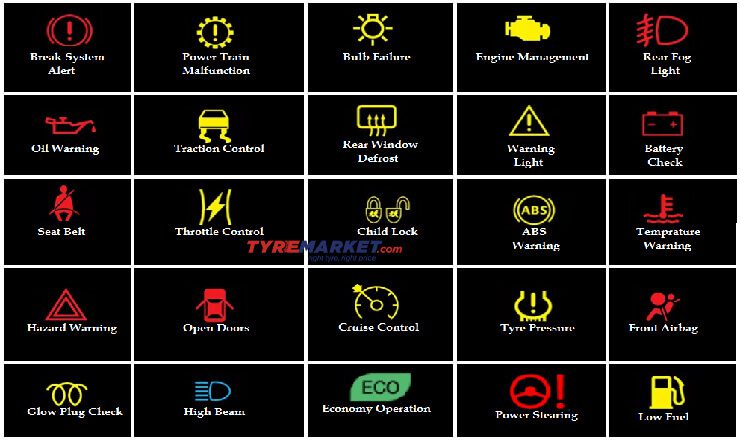
– Traction control or hybrid system warning lights stay illuminated
– Push-button start fails even with donor vehicle assistance
– You smell burning electronics
Important note: Some 2020+ models require battery registration via dealer software—improper replacement disables security systems.
Prevent Future Dead Battery Emergencies
Monthly Preventative Checks
Clean terminals with a wire brush every 30 days—corrosion increases electrical resistance by 50%. Test voltage monthly: 12.6V when off, over 10V while cranking. Unplug all accessories (dash cams, phone chargers) when parking longer than 72 hours—parasitic drain kills batteries faster than cold weather.
Seasonal Battery Protection
Summer heat ages batteries 25% faster—park in shade whenever possible. Winter reduces cranking power by 40%; keep your Lexus in a garage when temperatures drop below 20°F. Critical action: Get a free battery load test at your Lexus dealer every fall—they catch weak cells before they strand you.
Emergency Kit Essentials
Store these in your trunk:
– 8-gauge jumper cables (minimum 16ft length)
– Portable lithium jump pack (tested monthly)
– Owner’s manual (highlight terminal diagrams)
– Lexus Roadside Assistance card
Pro tip: Place a battery terminal protector spray (like CRC Heavy Duty) in your kit—it prevents corrosion for 6 months per application.
A dead battery shouldn’t derail your day when you know how to start Lexus with dead battery correctly. By following these model-specific procedures and performing monthly preventative checks, you’ll avoid 90% of roadside emergencies. Remember: hybrids require the jump-start terminal—not the actual battery—and never use your Lexus to jump another vehicle. If your battery fails repeatedly, visit your dealer immediately—modern Lexus electrical systems need professional diagnostics. Keep this guide in your glove box, and you’ll never face a dead battery with uncertainty again.


