
Your Fiat 500e’s battery is the heart of your electric driving experience, and knowing exactly how to charge a Fiat 500 battery properly can transform your daily routine while protecting your investment. Whether you’re a new owner pulling into your driveway for the first time or troubleshooting unexpected charging issues, this guide delivers the precise steps you need to charge efficiently and safely in every scenario.
Most Fiat 500e drivers quickly learn that charging isn’t as simple as plugging in a phone. With two distinct battery options (23.7kWh and 42kWh) and multiple charging standards, the process varies dramatically based on your setup. The good news? Once you understand the specific requirements for your model, you’ll charge your Fiat faster, cheaper, and with complete confidence—avoiding the frustration that catches so many new EV owners off guard.
Locate Your Fiat 500e Charging Port Correctly

The Fiat 500e’s charging port placement follows clever design logic that most new owners miss during their first few charging sessions. Unlike some EVs with unconventional port locations, your Fiat keeps it where you’d expect—on the rear passenger-side quarter panel, exactly where traditional fuel caps sit on gas-powered cars.
Finding the port requires no special knowledge once you know where to look:
– Look for the small rectangular panel on the right rear fender
– Press the center firmly to pop it open (no interior release needed)
– You’ll see a single port with two sections: Type 2 connector on top, CCS below
Critical visual cue: When opening the port, check for the blue indicator light inside. A solid white light means the port is ready for charging, while a red flashing light indicates an issue that needs attention before proceeding.
Connect Your Home Charger Like a Pro
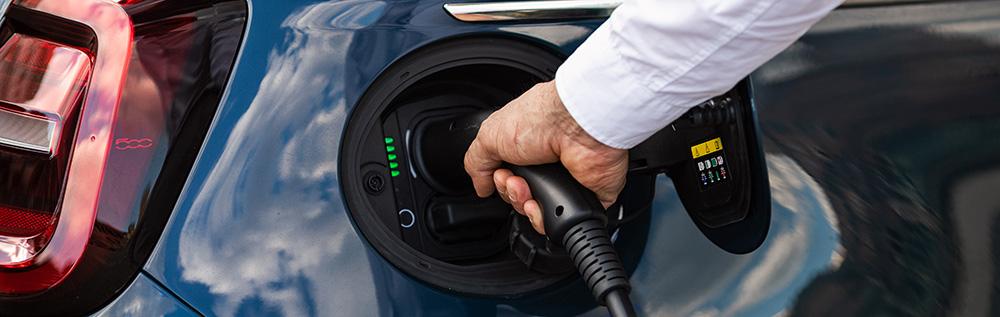
Setting up home charging transforms your daily routine from stressful to seamless. The Fiat 500e works with any standard Type 2 home charger, but choosing the right power level makes a significant difference in your morning readiness.
Installation essentials:
– 3kW charger: Basic overnight charging (adds 15-20 miles per hour)
– 7kW charger: Twice as fast (adds 30-40 miles per hour)—worth the extra installation cost
– 22kW charger: Overkill for most homes—your Fiat maxes at 7kW for AC charging anyway
First-time connection checklist:
1. Unlock your car (charging port won’t open if locked)
2. Open the charging port by pressing the panel center
3. Check for debris in both connector and port
4. Align and insert the Type 2 connector firmly
5. Listen for click—indicates secure connection
6. Check dashboard—charging indicator should illuminate immediately
Warning: Never force the connector—Type 2 only fits one way, and improper insertion can damage both your vehicle and the charging equipment.
Master Public Charging Network Navigation
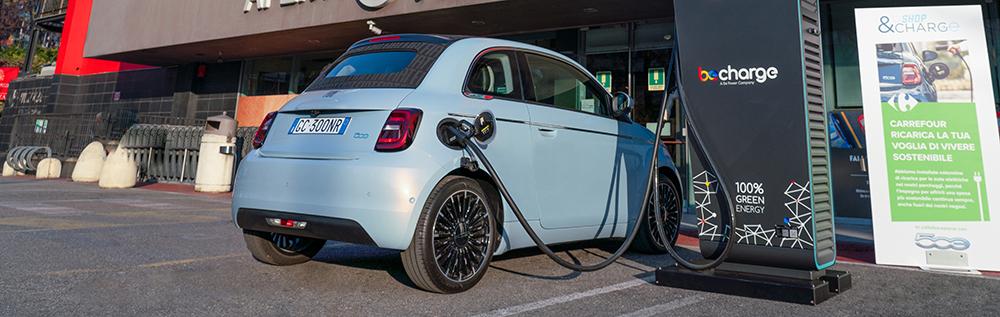
Public charging opens up long-distance travel but requires understanding different networks and payment methods. Your Fiat 500e’s CCS connector works with most rapid chargers across the UK, but knowing which networks to prioritize saves time and frustration.
Top networks for Fiat 500e owners:
– bp pulse: Extensive coverage, reliable app-based payment
– GRIDSERVE: High-quality rapid chargers with contactless payment
– InstaVolt: Simple contactless payment, no membership required
– Pod Point: Common at supermarkets, often offering free charging sessions
Proven payment strategy:
– Download Zapmap for cross-network payment capabilities
– Keep your contactless card accessible for newer rapid chargers
– For frequent public charging, set up accounts with 1-2 major networks
– Avoid this mistake: Never assume all chargers accept the same payment method—check before unplugging!
Optimize Your Charging Speed and Efficiency
Charging speed isn’t constant—it varies based on multiple factors you can control. Understanding these variables helps you maximize your charging sessions, especially when time is limited.
Speed factors you control:
– Battery temperature: Pre-condition while plugged in during extreme weather
– State of charge: Charging slows significantly above 80% (aim for 80% for daily use)
– Concurrent loads: Turn off climate control while charging
– Charger selection: 50kW DC beats 7kW AC every time for quick top-ups
Real-world charging times:
– 23.7kWh battery: 6 hours at 7kW home charger, 35 minutes to 80% at 50kW DC
– 42kWh battery: 6 hours at 7kW home charger, 35 minutes to 80% at 50kW DC
Expert tip: For daily use, schedule charging to complete between 2-5 AM when electricity rates are lowest and grid demand is minimal.
Calculate True Charging Costs to Save Money
Understanding charging costs helps you make smart decisions about when and where to charge. The difference between home and public charging can exceed 400%, making strategic choices essential for budget-conscious drivers.
Cost comparison per full charge:
– Home charging: £3.36 (8p/kWh overnight tariff at 42kWh)
– Public AC: £23.52 (56p/kWh)
– Rapid DC: £33.60 (80p/kWh)
Proven money-saving strategies:
– Charge at home overnight using off-peak tariffs (typically 5p-12p/kWh)
– Reserve rapid charging for road trips only
– Take advantage of free charging locations (supermarkets, hotels, shopping centers)
– Sign up for loyalty programs at networks you frequent regularly
Troubleshoot Common Charging Failures Immediately

Even perfectly maintained Fiat 500e’s encounter charging problems. Most issues have simple solutions once you know what to check—before calling for help or assuming major repairs are needed.
Car won’t start charging? Try these steps:
– Check basic requirements: Is the car unlocked? Is the port fully closed?
– Inspect connectors: Look for visible damage or debris in both ends
– Test different charger: Rules out whether the issue is with vehicle or equipment
– Reset the system: Lock/unlock car, disconnect and reconnect
Slow charging at home? Investigate:
– Verify you’re using the correct cable (supplied Type 2-to-Type 2)
– Confirm your charger is delivering its rated power (3kW vs 7kW)
– Check for other high-load appliances running simultaneously
– Consider temperature effects (cold weather can reduce charging speed by 30%)
Protect Your Battery with Smart Charging Habits
Your charging habits significantly impact long-term battery health. Following these practices can extend your Fiat 500e’s battery life by years while maintaining optimal performance.
Daily charging routine for maximum longevity:
– Charge to 80%: Daily use rarely needs 100% capacity
– Avoid 0%: Never let battery fully deplete (Fiat’s system prevents this but good practice)
– Plug in nightly: Maintains optimal battery temperature and readiness
– Use scheduled charging: Takes advantage of cheaper overnight rates
Long-term storage protocol:
– Store at 50% charge for optimal battery health
– Avoid extreme temperatures—garage parking preferred
– Check monthly and top up if charge drops below 20%
Emergency Charging Solutions When Unprepared
Unexpected situations require creative solutions. While not ideal, these methods can get you moving again when you’re caught without proper equipment.
Emergency options to know:
– 3-pin “granny” cable: Slow but works with any standard household outlet
– Heavy-duty extension cords: Only use 13A minimum rated cables, never standard indoor extensions
– Public charging alternatives: Some supermarkets offer free charging with purchase
– Never attempt: Tow charging—can cause permanent damage to electric motors
Critical safety note: When using emergency charging methods, monitor the cable and connection point constantly for overheating—stop immediately if you detect unusual warmth.
Build Your Personalized Charging Strategy
Successful electric vehicle ownership requires proactive planning tailored to your specific driving patterns. Implement these habits to eliminate range anxiety and charging stress.
Daily planning essentials:
– Charge overnight to wake up with full range daily
– Monitor weather forecasts—cold reduces range 20-30%
– Check charger status via apps before heading out
– Always know at least one backup charger on your regular routes
Trip planning checklist:
– Use built-in navigation for automatic charging stop planning
– For longer trips, charge to 100% before departure
– Plan charging breaks around meal times or shopping stops
– Download offline maps for rural areas with poor cell service
Mastering how to charge a Fiat 500 battery transforms from daily chore to seamless routine when you implement these specific strategies. Start with reliable home charging for 90% of your needs, learn one or two public networks for occasional trips, and always keep the emergency cable in your trunk. Following these precise methods ensures your battery delivers years of reliable service while keeping charging costs dramatically lower than gasoline alternatives—putting more money back in your pocket with every mile you drive.


