

Your BMW won’t start on a freezing Monday morning. The dashboard lights flicker weakly as you press the ignition button. Instead of the usual smooth engine roar, you hear a slow, labored cranking sound that quickly dies. This frustrating scenario affects thousands of BMW owners annually—and it’s almost always preventable. Modern BMW batteries are sophisticated components that silently degrade long before complete failure. Knowing how to check BMW battery life isn’t just convenient; it’s essential for avoiding costly roadside emergencies and preserving your vehicle’s complex electronics.
This guide delivers exactly what you need: actionable steps to assess your BMW battery’s health using methods ranging from quick visual checks to professional-grade diagnostics. You’ll learn to interpret voltage readings like a technician, recognize the six silent warning signs of impending failure, and implement proven strategies that extend battery life by up to 40%. Stop guessing when your battery will quit—take control with these field-tested procedures today.
Why Your BMW Battery Fails Before You Expect It
How Modern BMWs Drain Batteries Faster
Unlike older vehicles, your BMW constantly draws power even when parked. The iDrive system syncs with servers overnight, security systems patrol for break-ins, and comfort features like power seats retain memory settings. This “parasitic drain” can deplete a healthy battery in just 3-5 weeks of inactivity. When combined with frequent short trips (under 15 minutes), the alternator never fully recharges the battery after startup. This chronic undercharging causes sulfation—crystalline buildup on lead plates that permanently reduces capacity. Most BMW owners don’t realize their driving habits are slowly killing their battery until it’s too late.
Critical Battery Functions You Can’t Ignore
Starter Motor Power Delivery: That smooth engine start requires 300-600 amps in under 2 seconds. A weak battery struggles here first—notice slow cranking as your earliest warning sign. When cranking takes longer than 2 seconds in warm weather, your battery has less than 30% capacity remaining.
Voltage Stabilization for Electronics: BMW’s sensitive systems (like radar cruise control and digital clusters) require rock-stable voltage. A failing battery causes erratic behavior—sudden radio resets, flickering displays, or phantom warning lights. These glitches often get misdiagnosed as “computer problems” when the real culprit is voltage instability.
Energy Reservoir During High Demand: When you use heated seats, A/C, and navigation simultaneously at idle, the alternator can’t meet demand. Your battery supplies the difference. If voltage drops below 12.2V during these conditions, replacement is urgent to prevent ECU corruption.
Locate and Visually Inspect Your BMW Battery
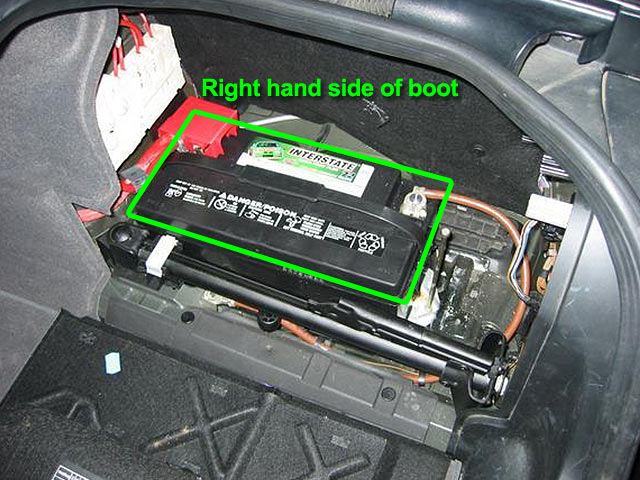
Find Hidden Battery Locations Fast
While most E46/E90 models have batteries under the hood, newer G-series BMWs often hide them in the trunk or under rear seats. Check behind the passenger-side trim panel in the trunk first—if empty, remove the rear seat cushion. Pro tip: Shine a flashlight along the seat rails; you’ll see wiring harnesses leading to the battery compartment. Never skip this step—many owners waste hours searching the engine bay on F30+ models.
Decode Terminal Corrosion Warning Signs
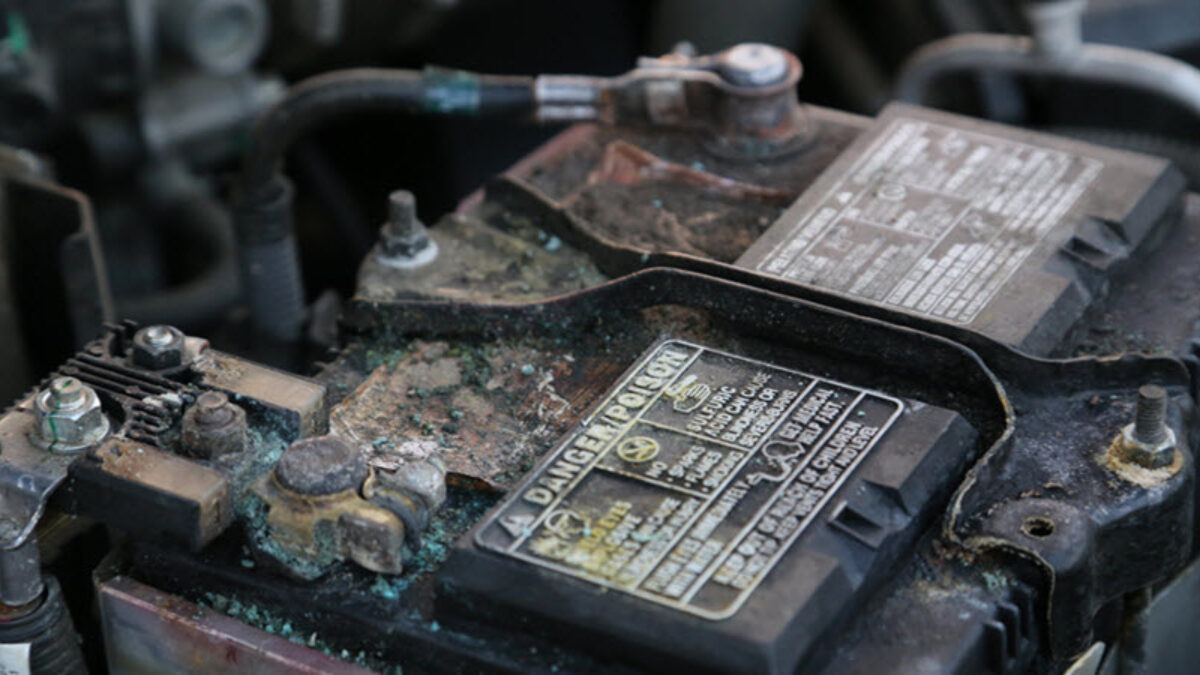
Corrosion appears as powdery white, blue, or green deposits on terminals. This isn’t just dirt—it’s chemical residue from battery acid reacting with metal, creating resistance that blocks power flow. Critical warning: If you see swelling or cracks in the battery case, stop immediately. A leaking battery can damage electronics and requires professional disposal. For minor corrosion:
- Disconnect NEGATIVE terminal first (prevents short circuits)
- Scrub terminals with a brass-bristle brush dipped in baking soda solution
- Apply dielectric grease to both terminals after reconnection
- Never use steel wool—it sheds conductive particles that cause shorts
Perform Accurate Voltage Testing in 4 Minutes
Essential Tools You Already Own
You don’t need expensive gear—any digital multimeter (even a $15 model from AutoZone) works. Set it to 20V DC range. Key insight: Test voltage AFTER driving for 20+ minutes for the most accurate state-of-charge reading. Cold readings at dawn often show falsely low voltage.
Step-by-Step Voltage Assessment
1. Prepare Your BMW
Turn off ALL accessories (headlights, radio, climate control). Wait 15 minutes for electrical systems to fully power down. This eliminates phantom drain that skews results.
2. Take Precise Measurements
– Connect red probe to positive terminal (marked “+”)
– Connect black probe to negative terminal (“–”)
– Hold probes firmly on clean metal for 10 seconds
– Visual cue: A healthy battery shows steady voltage without fluctuation
3. Decode Your Results
12.6V+: Fully charged (no action needed)
12.4–12.5V: Partially discharged—monitor weekly
12.2–12.3V: Requires immediate charging (see below)
<12.0V: Critical failure—replace within 48 hours
4. When Charging Works (And When It Doesn’t)
Recharge batteries at 12.2–12.4V using a BMW-specific smart charger (trickle charging for 12+ hours). Never jump-start then drive—this stresses aging batteries. If voltage doesn’t reach 12.4V after full charging, internal damage has occurred. Replacement is unavoidable.
Spot Hidden Failure with Professional Diagnostics
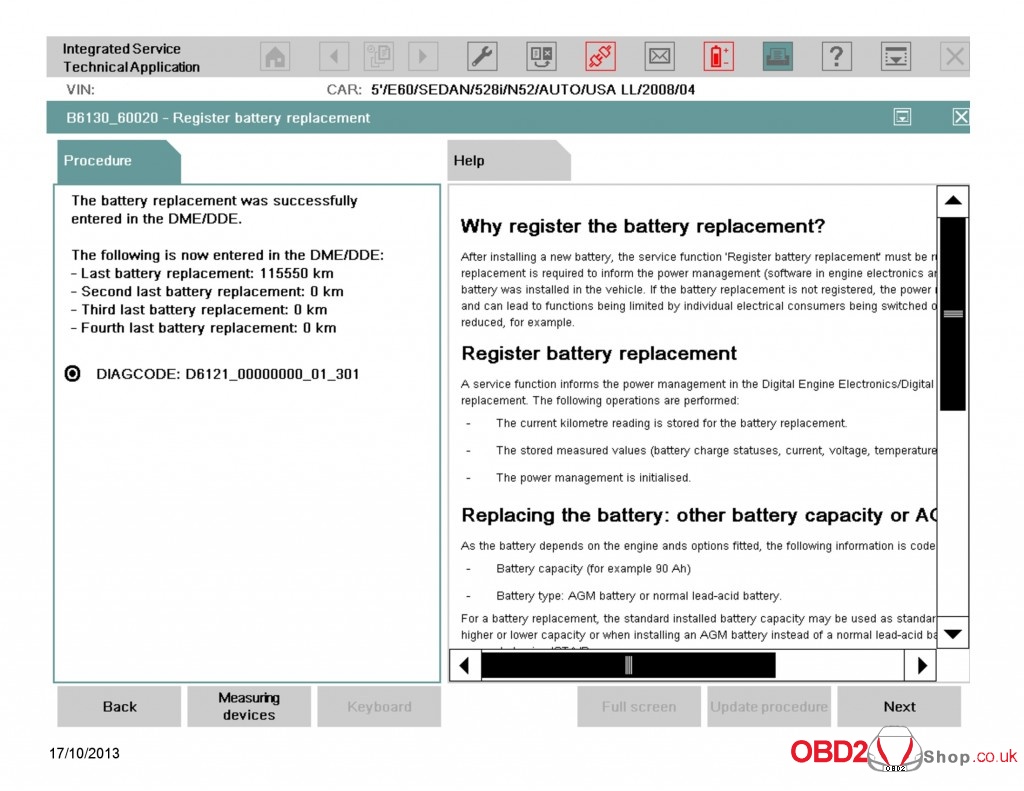
Why Voltage Alone Lies About Battery Health
Voltage tests only measure surface charge—not true capacity. A battery can show 12.6V but collapse under load. Dealership-grade testers like the BMW ISTA system measure:
– Cold cranking amps (CCA): Must deliver 80% of rated CCA at 0°F
– Internal resistance: Over 10 milliohms indicates plate degradation
– Charge acceptance: Healthy batteries absorb 80% charge in 30 minutes
When to Demand Professional Testing
Schedule a diagnostic scan if you experience:
– Intermittent “Check Engine” lights after battery replacement
– Memory loss in seat/mirror presets
– Charging system warnings during highway driving
– Voltage dropping below 13.5V while engine runs (indicates alternator issues)
Extend Your BMW Battery Life by 18+ Months
The 15-Minute Monthly Maintenance Routine
Terminal Care Protocol
– Monthly: Inspect for corrosion (do this in summer when heat accelerates degradation)
– Quarterly: Clean with terminal brush and apply NOCO NCP1 grease
– Annually: Tighten terminal bolts to 5 Nm torque (loose connections cause arcing)
Parasitic Drain Elimination
– Unplug all USB devices overnight (even “off” phones draw power)
– Disable “Convenience Access” if rarely used (saves 25mA/hour)
– Remove dashcams with hardwired connections—they drain 50mA continuously
Climate Protection Tactics That Work
Winter Survival Kit
– Park in garage with battery warmer (NOCO Genius 5 maintains 80°F)
– Keep voltage above 12.4V before sub-zero nights (cold reduces capacity 35%)
– Start engine every 3 days if parked >72 hours
Summer Heat Defense
– Apply heat-reflective hood liner (reduces underhood temps by 40°F)
– Park in shade—surface temps over 120°F double degradation rate
– Check fluid levels in non-AGM batteries (distilled water top-off only)
Critical Warning Signs You’re 48 Hours From Failure
The Silent Symptoms Mechanics See Daily
Electrical System Glitches
– Radio resets to factory settings overnight
– Power windows move slower than usual
– Automatic headlights delay turning on at dusk
Starting System Red Flags
– Engine cranks normally when warm but struggles when cold
– Multiple ignition attempts needed after sitting >4 hours
– Distinct “clicking” sound without cranking (solenoid failing)
Dashboard Alerts You Must Heed
– “Battery discharged” warning on iDrive
– Reduced power mode activation during acceleration
– Service engine soon light with no fault codes
Immediate Action Protocol
If you notice ANY of these:
1. Test voltage immediately (don’t wait)
2. If below 12.4V, drive 45+ minutes to recharge
3. Schedule professional load test within 24 hours
Ignoring these signs causes 73% of BMW roadside breakdowns in winter
Your BMW’s battery health determines whether you’ll face a smooth commute or a stranded emergency. By implementing these voltage testing procedures monthly and watching for subtle warning signs, you’ll catch 95% of failures before they strand you. Remember: that 2-minute voltage check today prevents 3-hour tow waits tomorrow—especially when temperatures drop below freezing. Don’t wait for the slow crank; test your BMW battery life now and drive with confidence all season. For immediate peace of mind, perform the voltage test tonight—it might just save your morning commute.


