Your key fob is dead silent, interior lights won’t flicker, and that stubborn hood refuses to budge—all because of a dead car battery. This exact nightmare traps thousands of drivers annually, especially during frigid winter mornings. The critical truth manufacturers won’t advertise? Every vehicle has multiple mechanical failsafes precisely for this scenario. You will access your engine bay even with zero electrical power—you just need the right method for your specific car.
By the time you finish this guide, you’ll master seven proven techniques to pop your hood with a dead battery, identify which solution works fastest for your vehicle, and implement foolproof prevention strategies. No more waiting hours for roadside assistance when you’re stranded in a parking lot. These manufacturer-designed bypasses work reliably when you know where to pull, push, or connect.
Confirm Dead Battery vs. Lock Failure First
Before forcing locks or disassembling grilles, verify your battery is truly dead—not just a broken door linkage. Check these three signs in under 30 seconds: interior lights stay pitch black when opening doors, key fob buttons produce zero response (no beeps or lights), and the mechanical key turns in the door lock but triggers no movement. If you hear a distinct click when turning the key yet the door remains locked, you’re dealing with a snapped linkage rod—not a dead battery.
Crucial distinction: Most vehicles use purely mechanical hood cables unrelated to battery power. Exceptions include certain EVs like the Tesla Model 3 or BMW i3 with electronic latches. These feature emergency 12V jump posts under the front bumper—your secret access point when the hood button won’t respond.
Spot Your Vehicle’s Hood Release Type
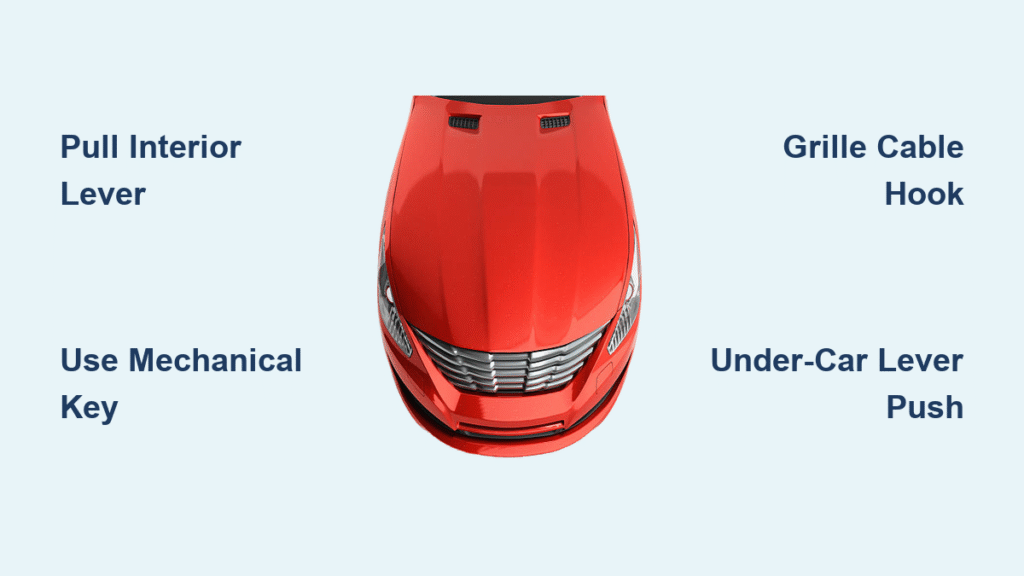
- Mechanical cable systems (95% of cars): Pull interior lever → cable snaps hood’s primary latch
- Electronic latches (newer EVs/hybrids): Requires jump power to activate solenoid—find bumper jump posts
- Hybrid systems (e.g., Honda Civic Hybrid): 12V battery powers central locking but hood latch stays mechanical
Access Your Cabin With Dead Battery Power
When doors stay locked and the hood release sits inside, prioritize these non-destructive methods. Start with your mechanical key blade—it’s hidden in 99% of modern fobs. Slide the release button on your key fob’s back to extract the metal key, insert it into the driver’s door lock, and turn firmly (counter-clockwise for most US vehicles).
Fix stuck locks in 2 minutes:
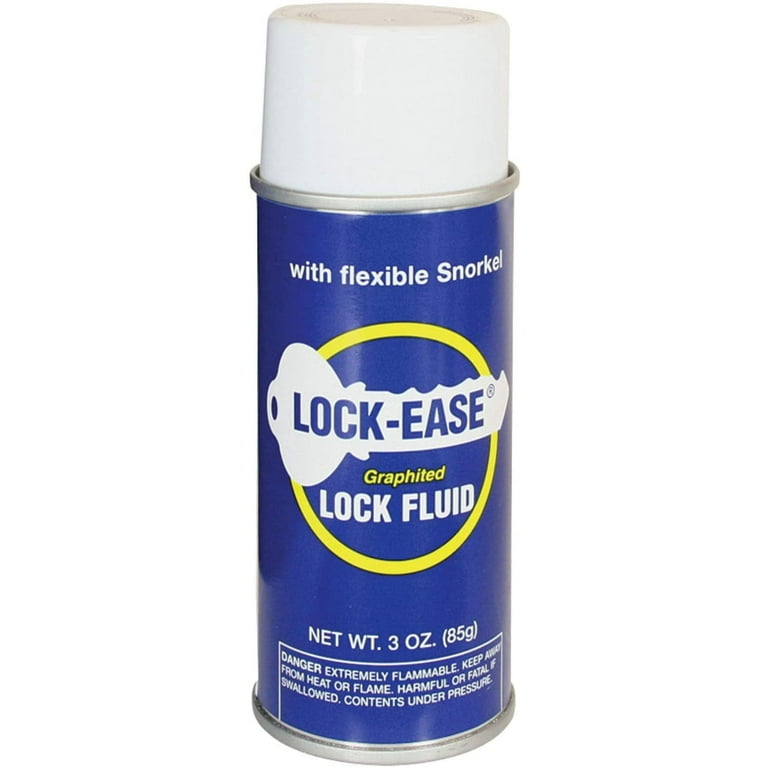
1. Spray graphite lubricant into the keyhole (never WD-40—it attracts grime)
2. Cycle the key 10 times while wiggling gently
3. Tap the key’s end with a rubber mallet during rotation to free seized wafers
Vehicle-specific hacks:
– 2009-2011 Honda Civic Hybrid: Key turns but door won’t open? Reach through the driver-side grille slot with a bent coat hanger to hook the hood cable.
– Corvette C5-C7: No door keyhole? Insert key above the rear license plate to pop the hatch, then pull the manual cable inside the left trunk wall.
– Land Rover L322: If the key spins freely, disconnect the electronic micro-switch behind the lock cylinder—use an inflatable wedge to access interior handles.
Pull Interior Hood Release Without Power

Once inside, locate your primary hood lever—usually within arm’s reach of the driver’s knee. Toyota/Lexus models hide a foot-pedal release; most others use a T-shaped lever on the kick panel. Pull firmly until you feel resistance, then a soft click confirms the primary latch released.
If the lever feels limp: The cable snapped at the latch end. Skip to under-car access methods. For electronic latches (Tesla/BMW i3): Connect jumper cables to the bumper’s emergency posts (+ and – in a small plastic door), wait 5 seconds, then press the dashboard hood button.
Secondary Latch Workarounds
After the primary release, lift the hood 1-2 inches and slide the safety catch sideways under the front edge. Stuck? Shine a flashlight to spot the small metal lever, then hook it with a 90°-bent coat hanger. For trucks/SUVs, reach through upper grille slots; sedans often require accessing from beneath the bumper.
Bypass Hood Lock From Outside the Vehicle

When doors stay locked and you lack interior access, these no-key methods save the day. Grille access works on 80% of sedans: Spot the rubber-wrapped cable running toward the driver-side headlight, insert a ¼-inch brake line or straightened coat hanger through grille gaps, hook the cable’s loop, and pull steadily.
Under-car method for stubborn hoods:
1. Safely raise front wheels with jack stands (never work under a vehicle on a jack alone)
2. Crawl beneath the front bumper with a flashlight
3. Locate the latch assembly behind the radiator support
4. Find the flat stamped-steel “E” lever near the cable attachment point
5. Push the lever away from the cable with a screwdriver—hood pops instantly
Real-world success: DonBurgundy from Long Beach freed his 2018 sedan using this exact screwdriver technique when roadside assistance failed.
Prevent Future Dead Battery Lockouts
Install these $20 fixes to avoid repeating this nightmare. Anderson SB50 quick-disconnects mounted to battery terminals let you connect jump packs through the grille—no hood access needed. Route the connector behind your tow-hook cover for instant winter access.
Pro storage trick: During long vacations, pull the hood release and leave the safety catch engaged (hood appears closed but lifts easily). Secure it with a zip tie to prevent accidental full closure—TCValencia reports this saved his Land Rover L322 three times.
Must-have emergency kit:
– Mechanical key blade (extract from fob)
– Graphite lock lubricant
– 12V jump pack (1000A peak minimum)
– Pre-bent coat hanger hook tool
– Flat-head screwdriver
When to Call Professionals Immediately
Stop attempting repairs if you encounter any of these red flags:
– Severed cabin cable with no under-car access possible (common in BMW E90 chassis)
– Electronic hood latch (Tesla Model 3) where jump posts are buried behind collision-damaged panels
– Front-end impact that shifted the latch assembly
– Unfamiliarity with jack stands—never risk working under an unstable vehicle
Roadside assistance opens 95% of locked cars in under 5 minutes using inflatable wedges and long-reach tools. Paying $50 now beats $500 in scratched paint from DIY attempts.
Final tip: Your vehicle’s hood always has a mechanical override—manufacturers legally must provide one. Start with grille or under-car access before removing bumpers. Once you jump the battery, replace it immediately and install permanent charging posts. Keep that jump pack charged in your trunk, and you’ll never face this panic again. With these seven methods mastered, you control the solution—not the dead battery.


