
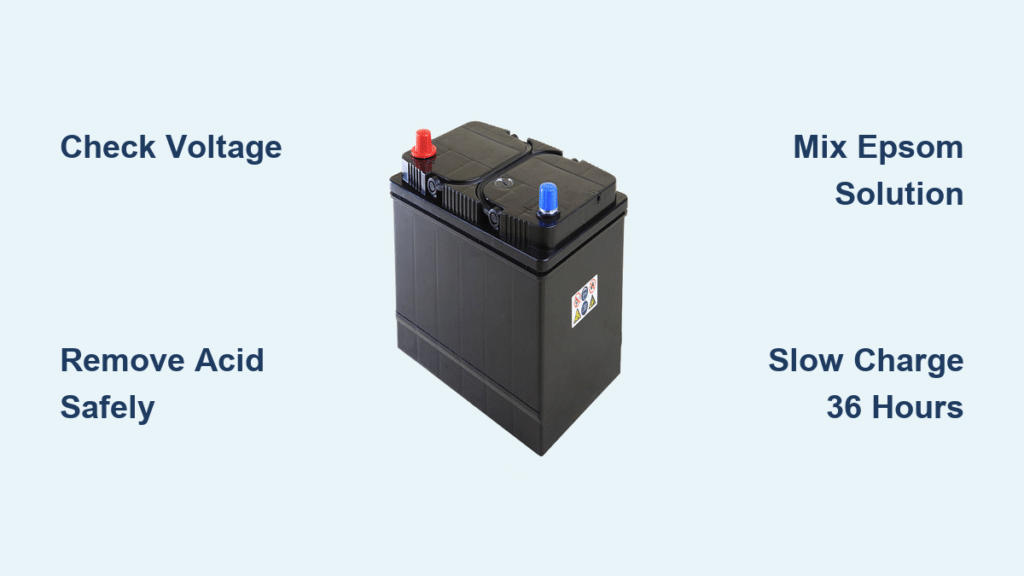
You’re stranded with a dead battery for the third time this year. Jump-starts only get you moving briefly, and replacement batteries cost between $100 and $250. What if you could restore your old battery to reliable condition using supplies you already have at home? Reconditioning a car battery is a proven process that reverses sulfation, the leading cause of battery failure, and extends battery life by months or even years.
This method works by dissolving lead sulfate crystals that build up on the battery plates over time. With the right tools, safety precautions, and patience, you can revive a weak battery for under $10. In this guide, you’ll learn the exact steps to recondition your car battery, recognize when it’s worth attempting, and avoid the costly mistakes that ruin batteries or cause injuries.
Essential Safety Precautions Before You Start
Car batteries contain sulfuric acid and release explosive hydrogen gas during charging. Skipping safety steps can result in chemical burns, explosions, or permanent battery damage.
Wear Proper Protective Gear
Always put on safety goggles, acid-resistant gloves, and old clothing before handling the battery. Sulfuric acid burns skin within seconds and eats through fabric permanently. Work outdoors or in a well-ventilated area because hydrogen gas accumulates quickly in enclosed spaces.
Handle Electrolyte Safely
Use a plastic funnel or battery filler syringe when adding liquid to cells. Never tilt the battery more than 45 degrees, as acid can spill and damage your vehicle’s paint or concrete floors. Keep baking soda and water mixed in a spray bottle nearby to neutralize any spills instantly.
Prevent Short Circuits
Remove all metal jewelry, including rings and watches, before working. Use only insulated tools and keep wrenches away from both terminals at once. A single touch across both posts can weld metal, spark a fire, or explode the battery.
Tools and Materials You’ll Need

You don’t need a professional workshop to recondition a car battery. Most supplies are inexpensive and reusable for future projects.
Basic Equipment Checklist
• Digital multimeter to measure voltage accurately
• Battery hydrometer to test electrolyte specific gravity
• Plastic funnel and syringe for filling cells
• Distilled water (never use tap water)
• Epsom salt (magnesium sulfate) to dissolve sulfate buildup
• Baking soda for cleaning terminals
• Old toothbrush for scrubbing corrosion
• Adjustable wrench for terminal removal
• Battery charger with manual or desulfation mode
Diagnose Battery Health First
Reconditioning only works on batteries suffering from sulfation, not physical damage. Testing first prevents wasted time on a battery that cannot be saved.
Measure Voltage with a Multimeter
Set your multimeter to DC volts and touch the red probe to the positive terminal and black to the negative. A healthy reading falls between 12.4V and 12.6V. Anything below 12.2V indicates significant discharge or sulfation. A reading under 10.5V usually means one or more cells are permanently dead.
Test Each Cell’s Specific Gravity
Remove the six cell caps on top of a flooded lead-acid battery. Squeeze the hydrometer bulb, draw electrolyte from each cell, and note the reading. Healthy cells measure between 1.265 and 1.299. Readings below 1.200 confirm sulfation, while major variation between cells signals a shorted cell that reconditioning cannot fix.
Prepare the Battery for Reconditioning
Proper preparation ensures the reconditioning chemicals and charge work effectively.
Clean the Terminals and Case
Mix one tablespoon of baking soda into one cup of water. Dip the toothbrush in the solution and scrub the terminals, cable ends, and battery top until all corrosion disappears. Rinse with clean water and dry thoroughly with a rag. This step prevents stray voltage leaks during charging.
Inspect the Cells
Look inside each cell after removing the caps. The electrolyte should cover the lead plates completely and appear clear or light amber. Dark, murky fluid indicates severe internal degradation. If the level is low, top up each cell with distilled water only, never tap water, because minerals accelerate sulfation.
Mix and Add the Epsom Salt Solution
Epsom salt is the most common household additive used to recondition a car battery. It breaks down lead sulfate crystals and restores ion movement in the electrolyte.
Create the Magnesium Sulfate Solution
Boil one cup of distilled water and stir in 10 tablespoons of Epsom salt until fully dissolved. Allow the solution to cool to room temperature before using it. Hot liquid can warp the battery plates or crack the case.
Fill Each Cell
Using the syringe, add 1 to 2 ounces of the solution into each cell. Avoid overfilling, as the electrolyte expands during charging. Leave the cell caps loose or remove them entirely to let gases vent safely.
Recharge the Battery Slowly

The charging phase is where the real reconditioning happens. Slow, controlled current dissolves sulfate crystals without overheating the battery.
Connect a Low-Amp Charger
Set your charger to 2 amps or lower. Higher amperage generates excess heat that warps plates. Attach the red clamp to the positive terminal and the black clamp to the negative terminal. Charge for 24 to 48 hours without interruption.
Monitor Temperature and Gassing
Check the battery every few hours by touching the side of the case. Mild warmth is normal, but if the case becomes hot to the touch, disconnect immediately. Light bubbling inside the cells is expected, as it indicates the solution is circulating and breaking down sulfation.
Use Desulfation Mode if Available
Smart chargers with a desulfation or reconditioning mode send high-frequency pulses that shatter stubborn sulfate crystals. After the initial slow charge, switch to this mode for an additional 12 to 24 hours for better results.
Retest Voltage and Capacity
After charging, let the battery rest for at least four hours before testing. This allows the surface charge to dissipate and gives you an accurate reading.
Measure Final Voltage
Touch the multimeter probes to the terminals again. A successfully reconditioned battery reads 12.4V to 12.6V at rest. If the voltage holds steady after 12 hours, the battery has recovered usable capacity.
Perform an Optional Load Test
For real-world confirmation, use a battery load tester or ask an auto parts store to run a free test. Under simulated engine load, voltage should stay above 9.6V for 15 seconds. A drop below this threshold means the battery is still too weak for reliable use.
Alternative: Pulse Desulfation Charging
If the Epsom salt method produces weak results, a dedicated pulse desulfator may help. These devices send high-frequency electrical pulses that resonate with sulfate crystals and break them apart over time.
How to Use a Pulse Charger
Connect the desulfator to the battery terminals just like a standard charger. Run it for 48 to 72 hours, then retest the voltage. Many modern smart chargers include this feature, so check your equipment before buying a separate device.
When Reconditioning Won’t Work
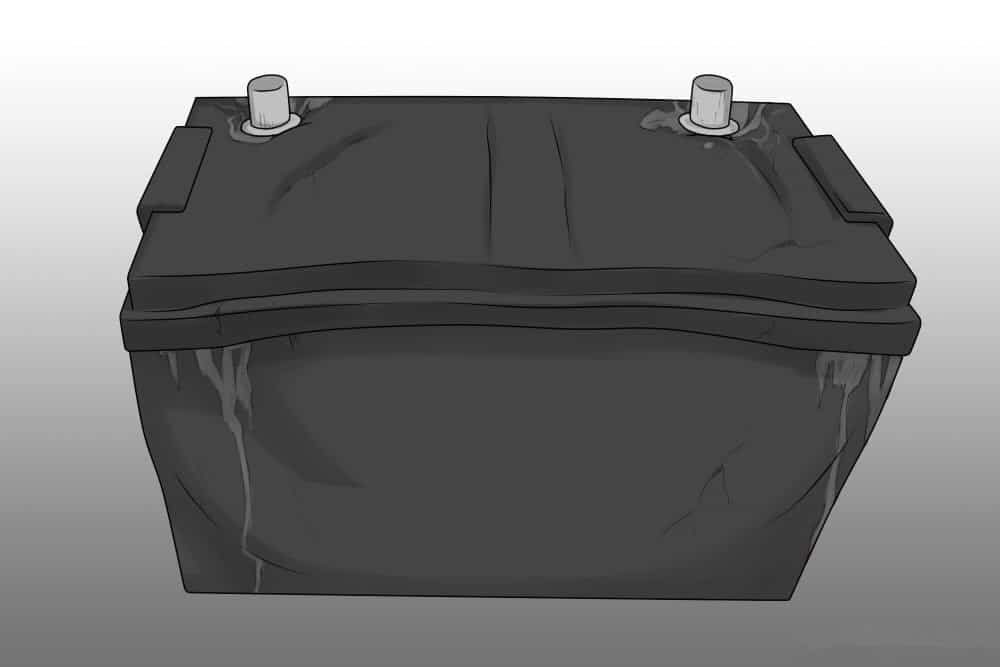
Some batteries are beyond saving. Recognizing the warning signs prevents frustration and protects your vehicle.
Signs of Permanent Damage
• Cracked case or visible leaks mean acid is escaping and corroding nearby components
• Bulging or swollen sides indicate internal pressure from shorted cells
• Dead cell confirmed by hydrometer causes voltage to drop below 10V and never stabilize
• Battery age over 5 years suggests plates are too worn to recover
If the battery fails a load test or refuses to hold voltage after multiple attempts, replacement is the safest option.
Maintain Your Reconditioned Battery
A revived battery lasts longer with basic preventive care. Neglect reverses the gains you just made.
Charge Regularly During Storage
If the vehicle sits unused, connect a trickle charger or battery maintainer every 3 to 4 weeks. This prevents voltage from dropping into the sulfation zone again.
Avoid Deep Discharges
Never let voltage fall below 12.0V. Turning on headlights or accessories while the engine is off drains the battery quickly and creates new sulfate buildup within hours.
Keep Terminals Clean
Inspect terminals every few months. Clean any white or blue corrosion immediately using the baking soda solution to ensure strong electrical connections.
Cost and Environmental Benefits
Reconditioning saves significant money and keeps hazardous battery waste out of landfills. Lead-acid batteries are one of the most recycled products in the world, but extending their life still reduces mining demand and energy consumption. For under $10 in materials, you can add 1 to 3 years of additional service to a battery that would otherwise be scrapped.
Frequently Asked Questions About Reconditioning a Car Battery
Does battery reconditioning really work?
Yes, on flooded lead-acid batteries suffering from sulfation. The process dissolves sulfate crystals and restores electrolyte balance. It does not fix cracked cases, shorted cells, or AGM batteries.
How long does a reconditioned battery last?
Results vary, but most reconditioned batteries deliver 6 months to 3 years of additional life depending on usage, climate, and maintenance after reconditioning.
Can you recondition a battery that won’t hold a charge?
Sometimes. If the battery drops below 10.5V after charging and resting, one or more cells are likely shorted. Reconditioning cannot repair internal shorts, so replacement is necessary.
Is it safe to add Epsom salt to a battery?
Yes, when done correctly with distilled water and proper protective gear. Epsom salt is magnesium sulfate, which safely reacts with lead sulfate crystals without creating harmful byproducts.
How many times can you recondition the same battery?
Most flooded lead-acid batteries can be reconditioned 2 to 3 times before the plates degrade too much. After that, capacity loss becomes permanent even with successful desulfation.
Can sealed or AGM batteries be reconditioned at home?
Not effectively. Sealed maintenance-free and AGM batteries cannot have their caps removed or electrolyte replaced. Professional pulse charging is the only option, and results are limited.
Key Takeaways for Reconditioning Your Car Battery
Reconditioning a car battery is a practical, low-cost solution for drivers facing sulfated batteries. Start by testing voltage and cell health to confirm the battery is a good candidate. Clean the terminals, add the Epsom salt solution, and charge slowly for 24 to 48 hours. Retest the voltage and run a load test to verify recovery. Avoid batteries with physical damage, dead cells, or age over five years.
Your next step is to gather your tools, put on your safety gear, and test your battery’s voltage today. If the reading falls between 10.5V and 12.2V, you have an excellent candidate for reconditioning. With patience and care, you can restore reliable starting power for a fraction of the cost of a new battery.


