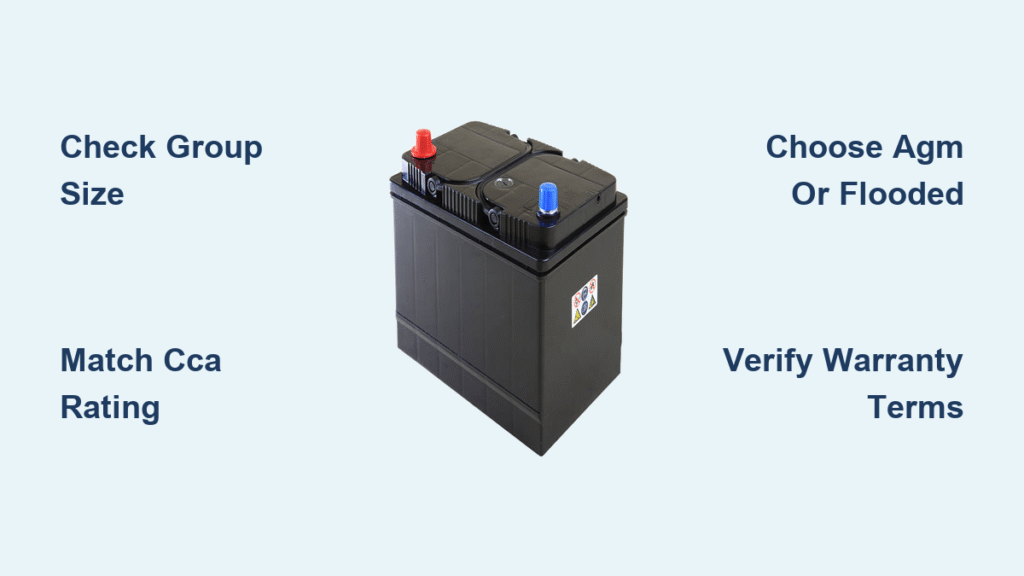
That familiar clicking sound when you turn the key. The sluggish engine crank. Dim headlights on a dark morning. When your car won’t start, you suddenly realize how critical your battery really is—and how important it is to know how to pick a car battery that won’t leave you stranded. Choosing the wrong battery can mean poor performance, shortened lifespan, or even damage to your vehicle’s sensitive electronics.
Most drivers wait until their battery fails completely before learning how to pick a car battery properly. But understanding the selection process beforehand ensures you get reliable starts for years. This guide reveals the exact specifications mechanics check and the common mistakes that lead to premature battery failure. You’ll discover how to decode battery labels, match the perfect type to your vehicle’s needs, and avoid the costly errors that send 30% of new batteries back to the store within six months.
How to Recognize When Your Battery Needs Replacement
Engine Cranking Issues Signal Battery Failure
If your engine turns over slower than usual—especially in cold weather—you’re witnessing the most reliable indicator of battery deterioration. Modern vehicles with complex electronics will often display warning lights for the charging system before complete failure. Pay attention when your headlights noticeably dim during startup or your radio resets to factory settings after each drive; these electrical system inconsistencies mean your battery can’t maintain proper voltage.
Physical Warning Signs Before Complete Failure
Don’t wait for total breakdown—perform monthly visual inspections of your battery. Look for cracks or bulges in the case, which indicate internal damage from extreme temperatures or overcharging. Corrosion buildup appears as white, blue, or green crust around the terminals and restricts electrical flow. An unpleasant sulfur smell (like rotten eggs) means the battery is leaking gas and needs immediate replacement. Most importantly, check the manufacture date sticker—batteries older than 3-5 years (41 months in southern U.S. regions, 58+ months in northern regions) are living on borrowed time.
Prevent Stranded Situations With Annual Testing
Once your battery reaches 2 years in warm climates or 4 years in cold regions, schedule professional load testing every six months. This quick 5-minute test measures your battery’s ability to deliver power under simulated starting conditions. Many auto parts stores provide this service free of charge. If your battery fails the test but still starts the car, replace it immediately—waiting for complete failure often happens at the most inconvenient times.
Flooded vs. AGM vs. Specialty Battery Technologies
Flooded Lead-Acid: Budget-Friendly Basic Option
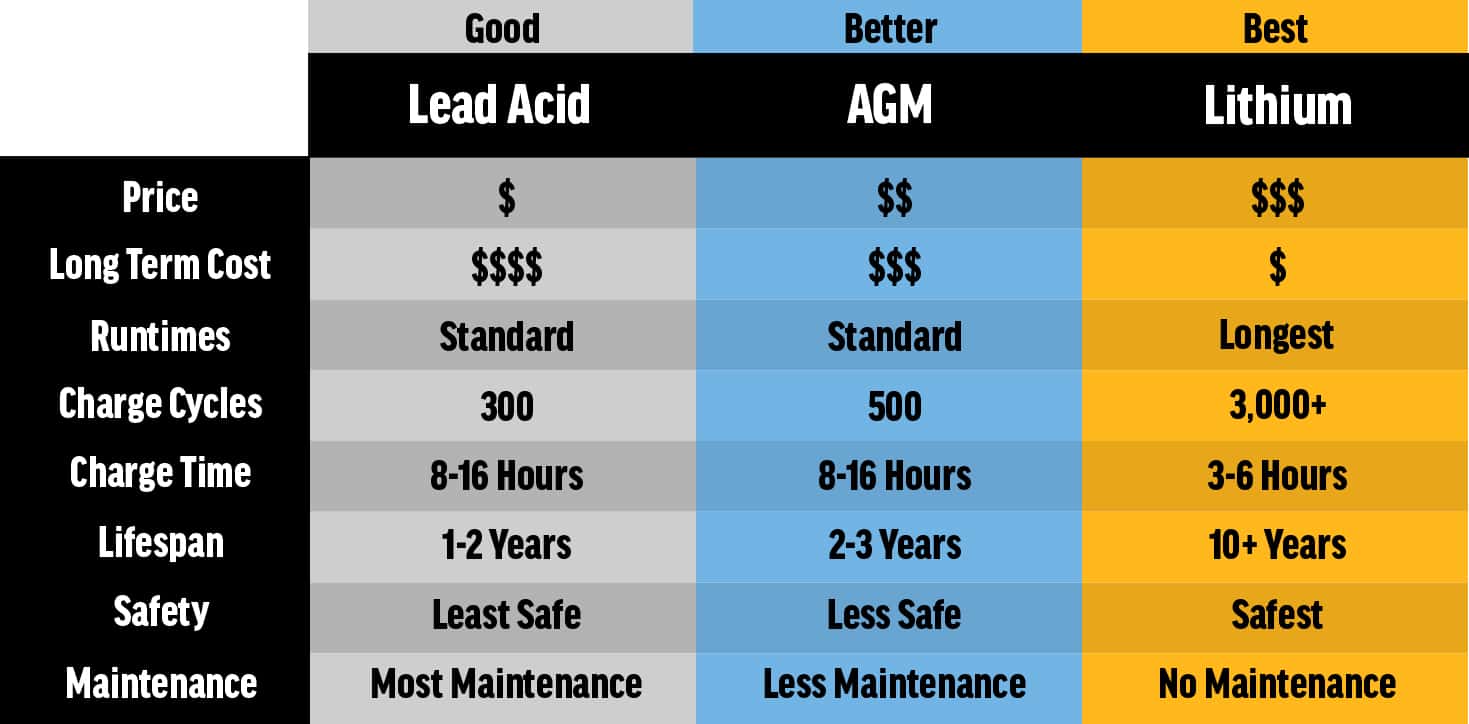
Traditional flooded batteries remain the most affordable choice at $185-$300, working well for older vehicles without complex electronics. These require occasional distilled water top-offs in older models and deliver lower cold-cranking performance. Their liquid electrolyte makes them vulnerable to spills if tipped and they struggle with deep discharges. Choose this type only if you drive a basic vehicle in moderate climates with minimal electrical accessories and plan to drive daily.
AGM: Premium Performance for Modern Vehicles
Absorbent Glass Mat batteries cost 40-100% more ($250-$400) but deliver significant advantages. Their maintenance-free, completely sealed design prevents spills and allows installation in multiple orientations. AGM batteries provide higher CCA ratings, better cold-weather performance, and handle deep discharges much better than flooded designs. They’re essential for modern vehicles with start-stop systems, heated seats, premium audio, and multiple USB ports. If your vehicle sits unused for weeks or you live in extreme temperatures, AGM technology delivers noticeably better reliability.
Specialty Applications Beyond Standard Options
Gel batteries serve RVs and boats with constant energy demands, while lithium-ion powers electric vehicles exclusively—traditional combustion engines can’t use this technology. For trucks and performance vehicles facing extreme conditions, Thin Plate Pure Lead AGM offers the highest cold-cranking amps with 99.9% pure lead construction and fastest charging capability. Don’t confuse these specialty options with standard automotive batteries—using the wrong type can damage your vehicle’s electrical system.
Decoding Battery Specifications for Perfect Fitment

Critical Group Size Requirements by Vehicle Type
Your vehicle’s battery compartment has precise dimensions—using the wrong size causes installation problems and potential safety hazards. Match your exact group size from this essential reference:
- Group 24/24F: Acura, Honda, Infiniti, Lexus, Nissan, Toyota sedans
- Group 35: Most Japanese vehicles including Honda, Mazda, Subaru
- Group 48 (H6): European vehicles like BMW, Mercedes, Audi, VW
- Group 65: Large Ford trucks and SUVs including F-150 and Expedition
Verify dimensions in your owner’s manual or by measuring your current battery before purchasing—height clearance is critical under many modern hoods with limited space.
Cold Cranking Amps: Never Choose Lower Than Required
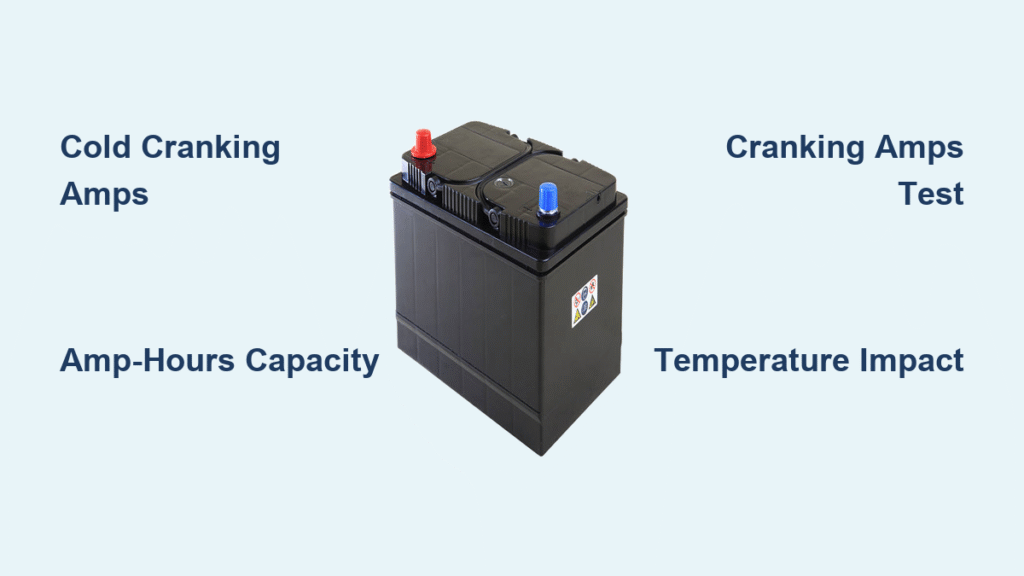
Cold Cranking Amps (CCA) measure a battery’s starting power at 0°F. This specification is non-negotiable—never select a battery with lower CCA than your vehicle manufacturer specifies. Small cars require 150-300 minimum CCA, midsize vehicles need 300-450, while trucks and SUVs demand 450-600+. Drivers in cold climates should add 100-200 CCA as a buffer for reliable winter starts. Higher CCA costs more but prevents those frustrating mornings when your engine barely turns over.
Reserve Capacity: Your Emergency Power Source
Reserve Capacity (RC) indicates how many minutes a fully charged battery can supply 25 amps at 80°F before dropping below 10.5V. This rating determines how long your lights, radio, and safety systems will operate if your alternator fails. Look for batteries with 90-150 minutes RC—higher numbers provide crucial extra time to reach safety during electrical system failures. Unlike CCA which affects starting ability, RC directly impacts your safety during unexpected breakdowns.
Four Essential Steps to Select Your Perfect Battery
Step 1: Verify Your Exact Size Requirements
Don’t assume your vehicle takes a standard size—confirm through three reliable sources: your owner’s manual specifications page, the label on your current battery, and online fitment tools from major retailers. Measure the length, width, and height of your battery tray to ensure proper fitment. Many modern vehicles have tight engine compartments where even a half-inch difference prevents secure installation.
Step 2: Calculate Your True Power Needs
Start with your manufacturer’s minimum CCA requirement, then adjust for real-world conditions. Add 100+ CCA if you live in cold climates, 50+ CCA for each major electrical accessory (heated seats, premium audio, GPS), and another 50+ CCA if your engine is older with reduced compression. This calculation ensures your battery delivers reliable starts regardless of conditions or vehicle age.
Step 3: Match Technology to Your Driving Patterns
Choose AGM if your vehicle has a start-stop system, experiences extreme temperatures, sits unused for extended periods, or powers numerous electrical accessories. Stick with flooded batteries only if you drive a basic vehicle daily in moderate climates on a tight budget. Remember that modern vehicles with complex electronics often require AGM technology regardless of cost—using the wrong type can trigger warning lights and electrical system malfunctions.
Step 4: Compare Final Options Using Key Metrics
Evaluate your shortlisted batteries by comparing CCA (equal or higher than required), RC minutes (higher is better), warranty terms (24/84 months minimum is ideal), freshness (manufacture date within 6 months), and brand reputation. Check online reviews specifically mentioning your vehicle make and model. This final comparison often reveals significant differences between seemingly identical batteries at similar price points.
Warranty Secrets Most Shoppers Don’t Know
Battery warranties use a dual-number format like “24/84” meaning 24 months of free replacement followed by 60 months of prorated coverage. Avoid any battery with less than 18 months of free replacement coverage. Understand that warranties void for low water levels in flooded batteries, improper installation damage, commercial use beyond specifications, or physical damage from accidents. Crucially, manufacturer warranties may not apply to batteries purchased online—buy from authorized local retailers to maintain full protection.
Installation and Maintenance Essentials
Proper Installation Prevents Costly Damage
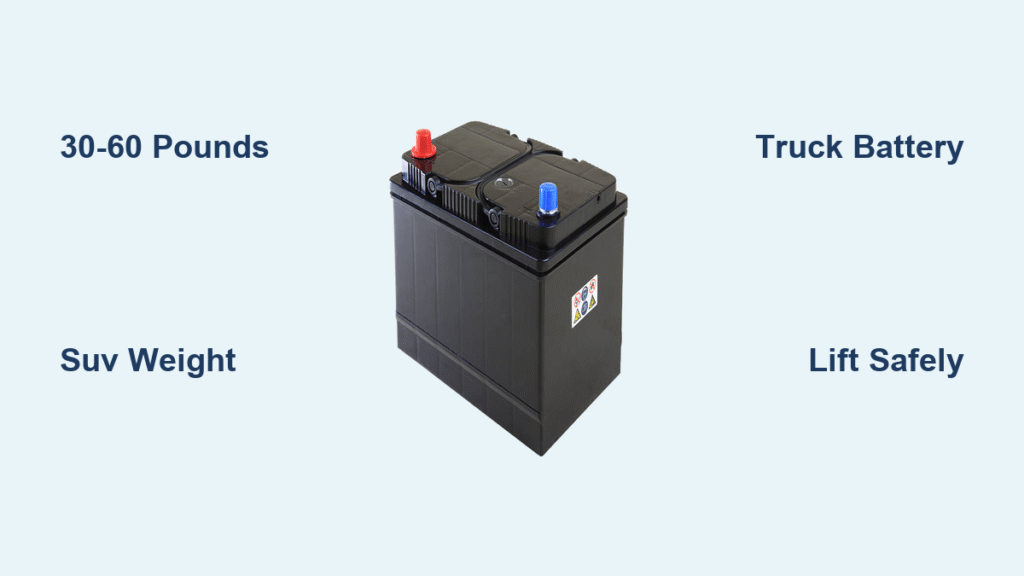
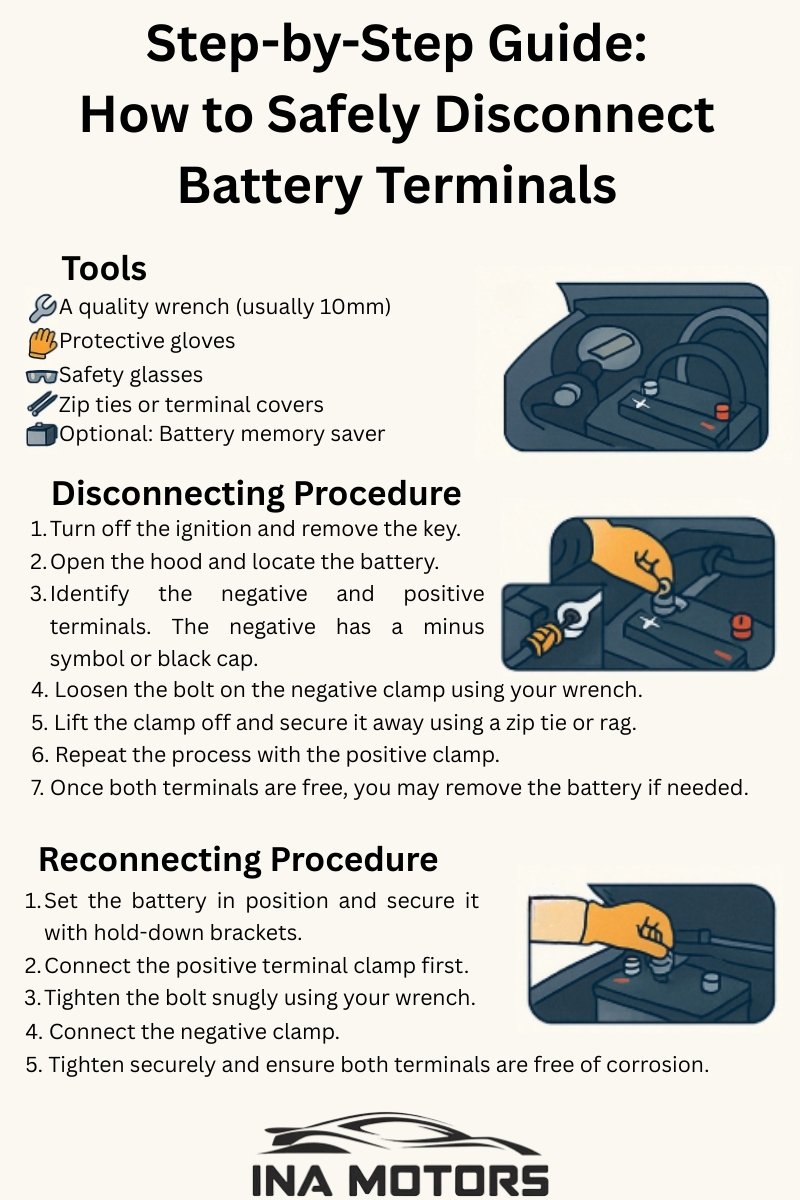
Batteries weigh 25-60 pounds—always use the built-in handle or loop for safe lifting. Disconnect the negative terminal first and reconnect it last to prevent dangerous electrical shorts. Some vehicles (particularly BMW models) require digital registration of new batteries using OBD-II software, which can cost $50-150 at a dealership. Check your vehicle’s location requirements—many European models mount batteries in the trunk or under rear seats, complicating DIY installation.
Climate-Specific Maintenance Practices
In cold climates, prioritize higher CCA ratings and consider a battery heater for extreme conditions. Southern drivers face accelerated battery failure—heat shortens lifespan by 25% or more—so AGM batteries provide better heat resistance. Park in garages when possible, especially during temperature extremes. For vehicles unused over two weeks, connect a trickle charger to maintain proper voltage and prevent sulfation damage. Annual load testing becomes essential once your battery reaches age thresholds based on your climate.
Cost-Saving Selection Strategies
Understand Price vs. Value Differences
Flooded batteries ($185-$300) offer lowest upfront cost but shortest lifespan in modern vehicles. Standard AGM ($250-$400) provides the best balance of performance and value for most drivers. Premium AGM ($300-$437) delivers maximum reliability for extreme conditions but may be overkill for basic transportation needs. Remember that Clarios (Johnson Controls) supplies over 50% of aftermarket batteries under various brand names—compare warranty terms more than brand names since many come from identical factories.
Avoid These Costly Selection Mistakes
Never choose lower CCA than specified—that guarantees poor winter performance. Ignoring physical size requirements voids warranties when batteries don’t fit properly. Using flooded batteries in vehicles requiring AGM triggers electrical system warnings and premature failure. Purchasing batteries older than 6 months significantly reduces potential lifespan. And never assume identical replacements will perform the same—vehicle modifications change electrical demands. Sales phrases like “universal fit” or “close enough” should trigger immediate skepticism.
Your car battery choice directly impacts daily reliability and long-term costs. Taking just 15 minutes to verify specifications prevents months of frustration and unexpected roadside assistance calls. A properly selected battery delivers 5+ years of trouble-free starts while the wrong choice fails within 18 months—often at the worst possible moment when you’re already running late. By following these proven selection steps, you’ll master how to pick a car battery that keeps you moving reliably through every season.