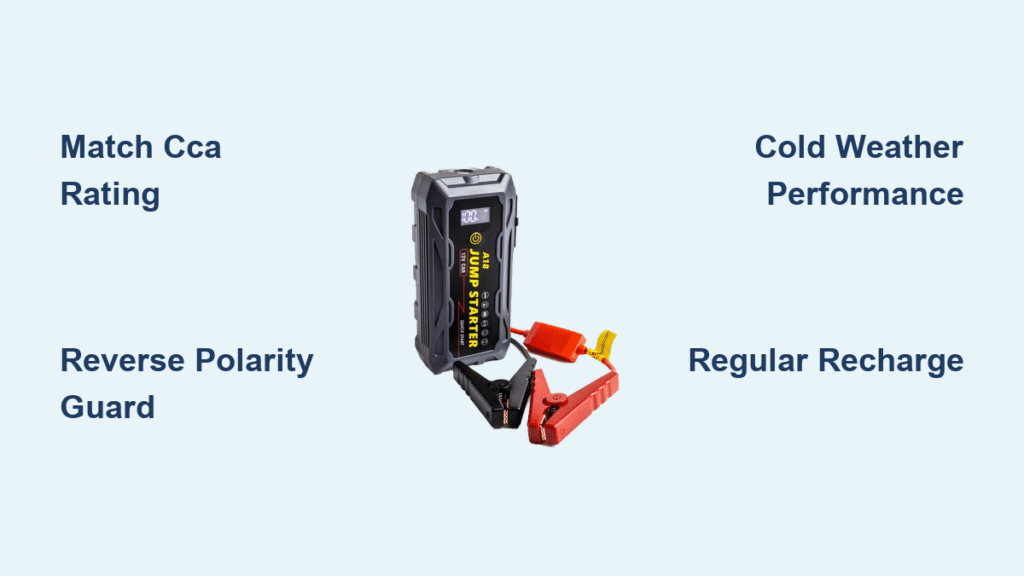
Your car won’t start. It’s 5 AM, you’re late for work, and your phone battery is at 2%. A dead car battery in this scenario isn’t just inconvenient—it’s potentially dangerous. While jumper cables require another vehicle and a Good Samaritan, a portable jump starter puts the solution literally in your hands. But with hundreds of models flooding the market, from $30 Amazon specials to $200 professional units, choosing the wrong one leaves you stranded anyway.
This guide cuts through marketing hype and technical jargon to focus on what actually matters when selecting a jump starter that works when you need it most. You’ll learn exactly what power rating your vehicle requires, which safety features prevent expensive mistakes, and how to spot the difference between genuinely useful features and expensive gimmicks. By the end, you’ll know precisely how to choose car battery jump starter equipment that won’t fail when you’re stranded in a dark parking lot.
Match Jump Starter Power to Your Specific Engine Requirements
Decode Real-World Amp Ratings That Actually Matter
Manufacturers love advertising massive “peak amp” numbers, but these figures mean little in real-world use. Peak amps represent the initial surge—like a sprinter’s first step—while cranking amps (CA) and cold cranking amps (CCA) indicate sustained power that actually starts your engine. Your vehicle’s owner manual specifies the required CCA, but as a general rule, most passenger vehicles need 400-500 CCA for reliable starting performance.
CCA rating becomes critical if you live where temperatures drop below freezing, as battery efficiency plummets in cold weather. Unlike peak amp claims that can be misleading, CCA specifically measures power output at 0°F, making it the most reliable specification for cold climate drivers. When comparing models, prioritize CCA over peak amps for accurate performance expectations.
Gas vs Diesel Engine Power Requirements
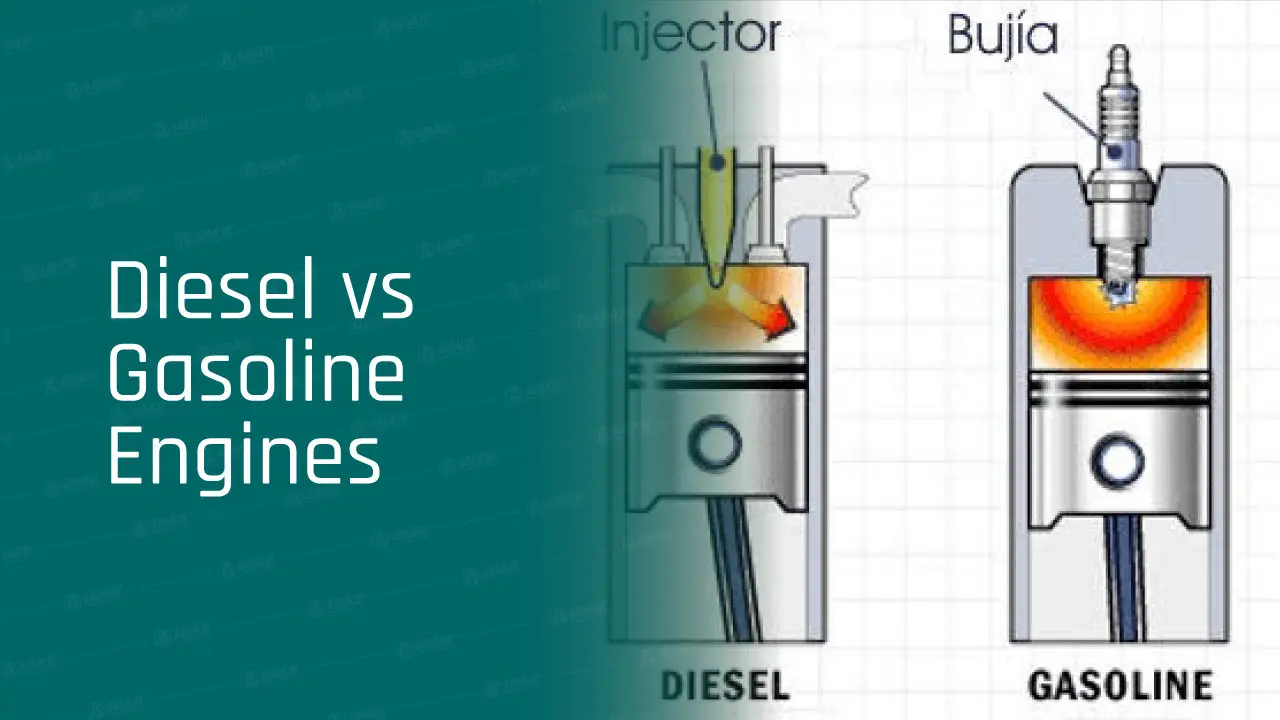
Gasoline engines need less power due to lower compression ratios. A 900 peak amp unit handles most 4-6 cylinder engines, while V8s require 1200-1500 peak amps minimum. For example, the Projecta IS920 (900 peak amps) works perfectly for compact cars and small SUVs with 4-cylinder engines but would struggle with larger vehicles.
Diesel engines demand substantially more power—typically 50-70% higher ratings than equivalent gas engines. A 4.5L diesel needs at least 1200 peak amps, while 6.0L+ diesels require 1500+ peak amps with 700+ cranking amps. The Projecta IS1500 Professional (1500 peak amps) handles these larger diesel engines reliably, while cheaper units may fail completely.
Quick Engine Sizing Reference Guide
- Compact cars (4-cylinder): 900 peak amps minimum (Projecta IS920 or GOOLOO 2000A)
- Sedans/SUVs (6-8 cylinder gas): 1200-1500 peak amps (Projecta IS1220)
- Diesel trucks: 1500+ peak amps, 700+ cranking amps minimum (Projecta IS1500 Professional)
- V8 trucks/SUVs: 1500+ peak amps regardless of fuel type
Essential Safety Features That Prevent Costly Damage
Non-Negotiable Protection Systems for Safe Operation
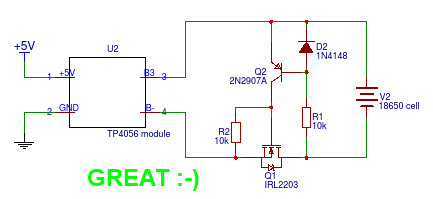
Reverse polarity protection prevents expensive electrical damage if you accidentally connect clamps backwards. Quality units detect incorrect connections and prevent current flow entirely—this feature alone can save you thousands in potential vehicle repairs. Always verify this feature before purchasing.
Short-circuit protection automatically shuts down the unit if clamps touch each other or create a direct short. This prevents sparks, potential fires, and unit damage. Without this protection, a simple mistake with the clamps could destroy both your jump starter and vehicle electronics.
Over-temperature protection monitors internal temperature and temporarily disables the unit if overheating occurs during extended cranking attempts. This is crucial when making multiple jump attempts on stubborn engines, as lithium batteries can overheat quickly under heavy load.
Advanced Safety Options for Problematic Situations
Manual override capability (found in Projecta Intelli-Start series) allows starting completely flat batteries that trigger safety shutdowns in basic units. This feature proves invaluable for deeply discharged batteries that register as “faulty” to standard protection systems. Without it, you’re left stranded with a perfectly functional jump starter that won’t activate.
LED connection indicators provide visual confirmation of proper clamp attachment before you attempt starting, eliminating guesswork and potential damage. The Powerology models feature Cable Indicators that guide you through proper connection sequence—critical when you’re stressed during an emergency situation.
Cold Weather Performance Reality Check
Why Most Jump Starters Fail When You Need Them Most
Batteries lose approximately 50% of their cranking power at 0°F while engines become significantly harder to turn over. This double-whammy explains why Consumer Reports testing found no jump starters worked with both battery and starter at 0°F—a sobering reality rarely mentioned in marketing materials. Most units only work when the jump starter itself is at room temperature, even with a frozen car battery.
Cold Weather Selection Criteria That Works
Choose units with 400+ CCA rating minimum for reliable winter performance. CCA (cold cranking amps) specifically measures power output at 0°F, making it the most relevant specification for cold climates. Entry-level units often omit this specification entirely—red flag that they’re not designed for winter use.
Intelligent pre-heating technology (featured in GOOLOO GT4000) actively warms the jump starter’s internal battery, dramatically improving cold-weather performance. Units without this feature often fail completely in sub-zero conditions, leaving you stranded despite having a “fully charged” unit.
Winter Storage Strategy That Actually Works
Never store your jump starter in the trunk during winter. Interior temperatures can drop below the unit’s operating range, rendering it useless when needed. Instead, bring the unit inside overnight before anticipated cold weather, or store it in a heated garage when possible. For frequent winter drivers, keeping the jump starter in your home and only placing it in the vehicle before trips ensures optimal performance.
Battery Capacity vs Portability Trade-Offs
Understanding Capacity Measurements That Matter
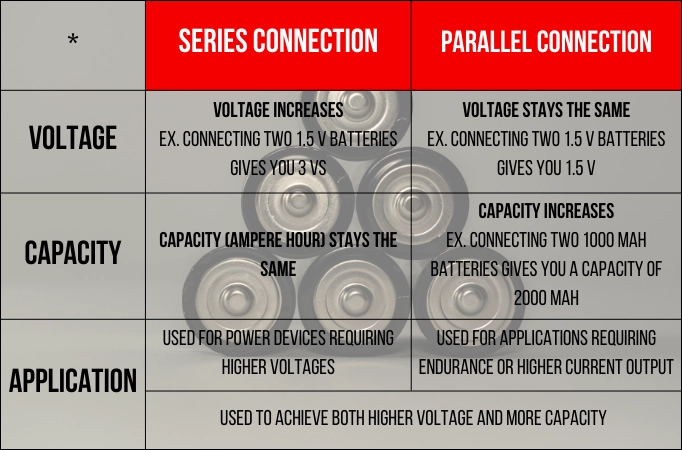
Jump starter capacity appears as amp-hours (Ah) or milliamp-hours (mAh)—higher numbers indicate more stored energy. However, larger capacity means increased size and weight, creating portability challenges. Compact units (1.6-6.0 Ah) fit in gloveboxes but may only provide 2-3 jumps, while heavy-duty models (15+ Ah) handle multiple vehicles but require trunk storage.
Jump Starts Per Charge Reality is often exaggerated by manufacturers. Claims of 220 jumps per charge assume ideal conditions with small engines and warm batteries. Real-world usage typically delivers 25-50% of claimed capacity, making higher-rated units more practical for multiple vehicles or frequent use. A GOOLOO 2000A might claim 20 jumps, but realistically provides 5-8 reliable starts before needing recharge.
Power Bank Functionality That Won’t Leave You Stranded
Most modern jump starters double as USB power banks, but using them to charge phones, tablets, or laptops rapidly depletes starting capacity. A fully charged unit might provide 3-4 phone charges, leaving insufficient power for emergency jump starting. Best practice: Reserve at least 70% capacity for jump starting, using power bank features only for true emergencies. Units with separate power banks (like some Powerology models) solve this dilemma but cost more.
Storage and Maintenance Requirements You Can’t Ignore
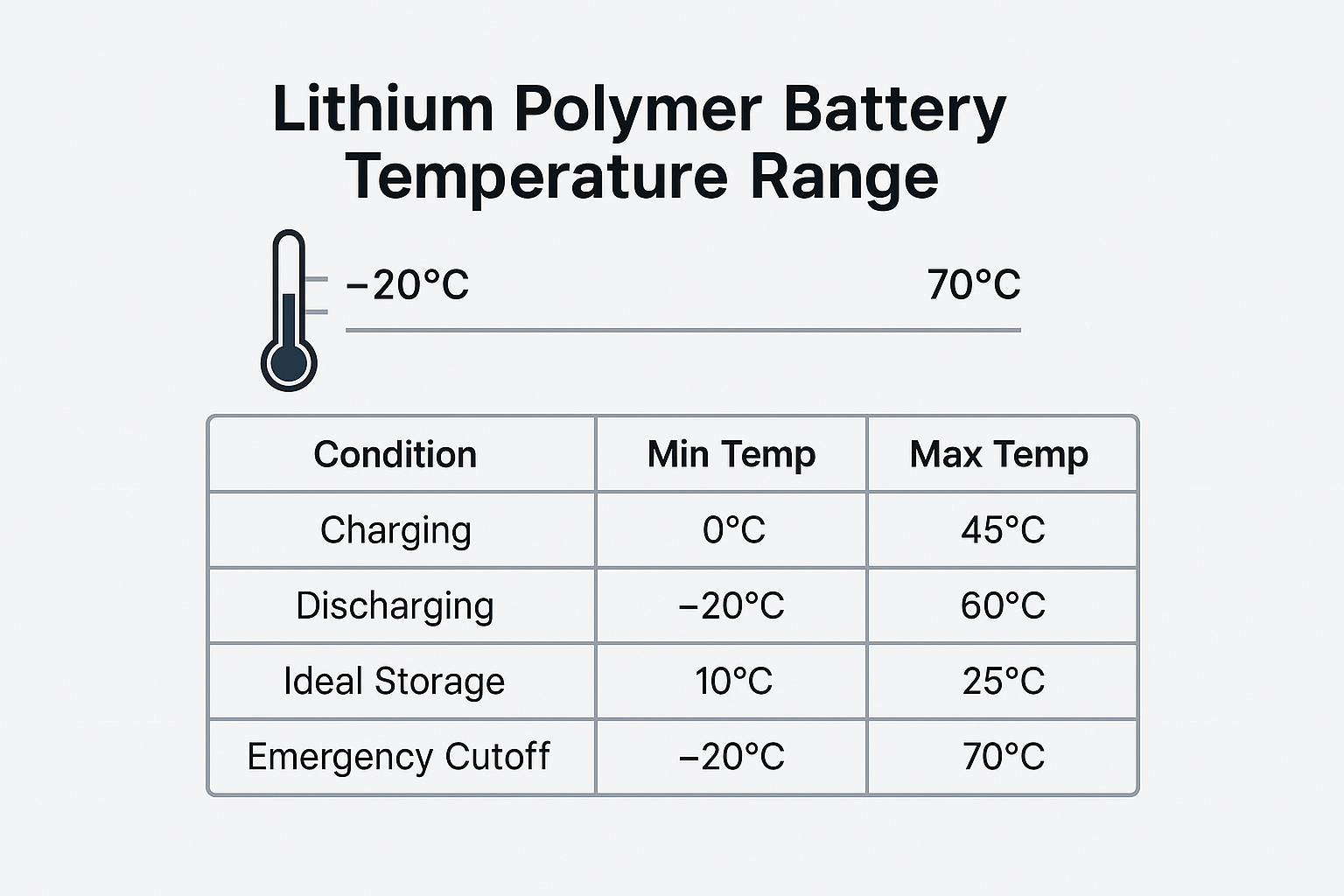
Temperature Storage Limits That Prevent Permanent Damage
Critical warning: Interior car temperatures can reach 131-172°F in direct sunlight, causing permanent battery damage. The maximum storage temperature for most units ranges from 120-185°F, making trunk storage risky during summer months. High-quality units like the GOOLOO GT4000 specify exact temperature limits—always verify this before purchase.
Best practice: Store in climate-controlled environments, bringing units inside during extreme weather. Glovebox storage works for moderate climates, but remove during heat waves or cold snaps. For long-term storage, maintain 50-80% charge—lithium batteries degrade fastest when fully charged or completely depleted.
Essential Maintenance Schedule That Ensures Reliability
Recharge every 3 months minimum—lithium batteries self-discharge over time, leaving you with a dead jump starter when needed most. Set phone reminders to check your unit quarterly. Immediate recharging after use prevents deep discharge that can permanently damage lithium cells. Even single jump starts can deplete 20-40% capacity, requiring prompt attention.
Visual inspection protocol should include checking cables monthly for cuts, fraying, or corrosion that impedes power flow. Replace damaged cables immediately—attempting jumps with compromised connections risks sparks, poor performance, or electrical damage. Inspect clamp condition for corrosion, cleaning contact surfaces with a wire brush as needed.
Final Selection Checklist Before You Buy
Before purchasing your jump starter, verify these critical factors:
– [ ] Engine size compatibility (check your vehicle specifications against manufacturer guidelines)
– [ ] CCA rating matches your climate (400+ for cold weather reliability)
– [ ] Reverse polarity protection included (non-negotiable safety feature)
– [ ] Cable gauge 10 or thicker (thicker = better power delivery)
– [ ] Warranty 24+ months (indicates manufacturer confidence)
– [ ] LED flashlight with multiple modes (essential for nighttime emergencies)
– [ ] Temperature operating range covers your climate (check specifications)
– [ ] Storage case included (protects investment from damage)
Your car battery will fail eventually—usually at the worst possible moment. The right jump starter transforms this inevitable inconvenience from potential disaster into minor delay. Choose wisely now, and you’ll thank yourself every time your engine roars to life when others remain stranded. Don’t wait for that first dead battery to research your options—prepare today with a jump starter that matches your specific vehicle, climate, and needs.