
Your Subaru Outback won’t start, and the dashboard lights flicker weakly when you turn the key. That sinking feeling hits—you’ve got a dead battery. Unlike many vehicles where batteries hide in trunks or wheel wells, your Outback’s power source sits right under the hood but requires specific handling to charge safely. Getting this wrong risks frying sensitive electronics or causing acid burns, but following Subaru’s recommended procedures ensures you restore power without voiding warranties or creating bigger problems. This guide delivers the exact steps to charge your battery correctly—whether you’re stranded in a parking lot or prepping for winter—and reveals critical mistakes most owners make that turn a simple fix into a $500 repair bill.
Most drivers don’t realize their Outback’s battery location differs from conventional setups. While older cars often place batteries near the firewall, Subaru tucks yours on the driver’s side beneath a protective black plastic cover. Charging it improperly—like reversing cables or using excessive amperage—can trigger error codes that disable climate control, infotainment, or even the transmission. By the end of this guide, you’ll know precisely how to connect your charger, recognize dangerous warning signs, and maintain your battery to avoid 3 AM roadside assistance calls.
Locate Your Outback Battery Correctly
Finding your battery is step one, but many owners waste time searching the trunk or passenger side. Pop the hood and look toward the driver’s seat—you’ll spot a rectangular black plastic cover secured by clips or screws. Lift this cover to reveal the 12-volt battery with clearly marked positive (+) terminal (red cap) and negative (-) terminal (black cap). Unlike some imports with side-terminal batteries, the Outback uses standard top-post terminals, simplifying clamp connections.
Critical specs to verify before charging:
– Group size: Ranges from H5 to H6 depending on model year (2015-2023)
– Cold cranking amps (CCA): 550-700 CCA—higher for turbocharged engines
– Terminal type: Lead-acid with removable caps (check electrolyte levels if applicable)
Never assume your battery is dead based on slow cranking alone. A voltage test with a multimeter confirms the issue: below 12.4 volts means it needs charging, while 11.8 volts or lower indicates a fully discharged state requiring 6+ hours of charging.
Essential Safety Setup Before Connecting Charger

Battery charging involves explosive hydrogen gas and corrosive sulfuric acid—skipping safety steps risks chemical burns or electrical fires. Gear up properly before touching a single terminal.
Non-negotiable safety equipment:
– ANSI-approved safety glasses (acid splashes cause permanent eye damage)
– Nitrile gloves (latex won’t block acid penetration)
– Wire brush for corrosion removal (never use steel wool near electronics)
– Baking soda solution (1 tbsp per cup of water) to neutralize acid spills
Complete this 60-second inspection:
1. Check for cracks or bulges in the case—if the battery leans or feels lopsided, stop immediately
2. Scrub white/green corrosion from terminals using the wire brush dipped in baking soda solution
3. Ensure the hold-down bracket is secure (loose batteries vibrate and fail prematurely)
4. Confirm no fluid leaks around terminal posts or case seams
If you smell rotten eggs (hydrogen sulfide gas) or see acid pooling under the battery, abort charging and call a professional. These indicate internal damage that makes the battery unsafe to handle.
Charge Battery While Installed: Subaru’s Official Recommendation
https://www.subaru.com/en/owners/manuals/2023/outback/2023-outback-owners-manual.pdf
Subaru’s service team insists on charging the battery while installed to prevent electrical system errors. Removing it often triggers “check engine” lights or resets radio presets, requiring dealership recalibration. This method keeps your vehicle’s computers happy while restoring power.
Vehicle Preparation Checklist
Turn off all parasitic drains that sabotage charging:
– Disable headlights (manual override if automatic)
– Unplug phone chargers and dash cams
– Shut off interior lights via door switches
– Set climate control to “off” (not “auto”)
Place the gear selector in PARK, engage the parking brake, and remove the key. Open all four doors to prevent accidental lockouts during charging.
Cable Connection Sequence: Avoid Costly Shorts
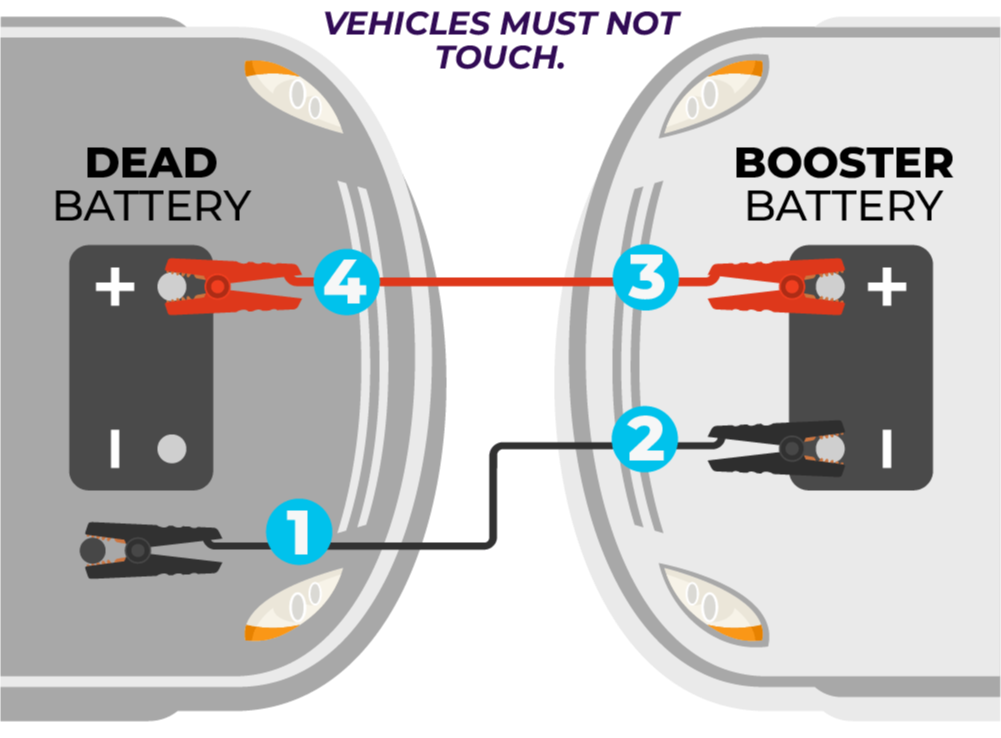
Follow this exact order—reversing polarity fries electronics:
1. Positive first: Clip red charger clamp to battery’s + terminal (red cap)
2. Negative second: Attach black clamp to engine block ground (bare metal bolt away from fuel lines), not the negative terminal
3. Verify: Gently tug clamps—no metal exposure should show
Why ground to the engine block? It prevents sparks near the battery where hydrogen gas accumulates. If your charger lacks sufficient cable reach, use jumper cables as extensions but maintain the same connection sequence.
Charger Settings and Timing for Optimal Results
Set your charger to 12-volt mode and select:
– 2-6 amps for overnight charging (safest for battery health)
– 10 amps max for emergency starts (never exceed 2 hours)
Monitor these critical indicators:
– Amperage display drops from initial surge to near zero as battery fills
– Battery stays cool/warm (over 110°F means stop charging immediately)
– Full charge typically takes 6-8 hours from dead (faster for partial discharges)
Never leave fast-charging unattended. High amperage generates heat that warps internal plates—use a timer to limit 10-amp sessions to 90 minutes.
Remove Battery Only When Absolutely Necessary
Battery removal should be your last resort—like when charging near a wall outlet is impossible. This method risks triggering Subaru’s security system or resetting adaptive headlights, requiring complex reinitialization.
Safe Removal Process: Critical Order Matters
Disconnect negative FIRST to prevent short circuits:
1. Loosen negative (-) terminal clamp with a 10mm wrench
2. Remove positive (+) terminal clamp
3. Unfasten the hold-down bracket (usually one 13mm bolt)
4. Lift battery straight up using leg muscles (35-40 lbs weight)
Place the battery on wood or rubber—never concrete, which drains charge. When reinstalling, reverse the sequence: positive first, then negative.
External Charging Setup for Bench Testing
Charge removed batteries in well-ventilated areas only (garage with open door). Position the battery on a plastic tray to catch leaks. Connect charger clamps directly to terminals (no engine ground needed), then set to 2-4 amps for 12+ hours. Never charge indoors—hydrogen gas is explosive.
Prevent These 3 Costly Charging Mistakes
Overcharging kills batteries faster than undercharging. Stop charging when voltage hits 12.6+ volts or after 24 hours on a trickle charger. Modern “smart” chargers auto-switch to maintenance mode, but old-school units cook batteries overnight.
Terminal errors that trigger $300+ repairs:
– Overtightening clamps (strips lead terminals—torque to 8-10 ft-lbs max)
– Skipping dielectric grease (use petroleum-free grease on terminals post-charge)
– Connecting negative to battery instead of engine block (causes sparks near gas vents)
Never jump-start then immediately drive. A deeply discharged battery needs 30+ minutes of 2,000 RPM idling to accept charge—otherwise, the alternator strains trying to replenish power.
Test Battery After Charging: Verify Real-World Readiness
Your charger may say “full,” but confirm it holds voltage under load before trusting your Outback to start.
Voltage Verification Test
With engine off, measure between terminals:
– 12.6-12.8V = Fully charged
– 12.4V = 75% charged (safe for short drives)
– Below 12.0V = Needs more charging
Start the engine and retest: 13.8-14.4V confirms the alternator recharges properly while driving. Below 13.5V indicates a failing alternator.
Free Load Testing at Auto Parts Stores
Most stores (AutoZone, O’Reilly) offer free load tests that simulate starter demand. If voltage drops below 9.6 volts during the 15-second test, replace the battery—it’s too weak for cold starts regardless of charge level.
Recognize Emergency Warning Signs During Charging
Stop charging immediately if:
– Battery swells like a balloon (internal short circuit)
– Rotten egg smell intensifies (sulfur gas leakage)
– Electrolyte sprays from vent caps (overcharging)
– Charger flashes error codes (e.g., “ERR” or “SLT”)
Seek professional help when:
– Battery is older than 4 years (typical lifespan)
– Voltage drops below 10 volts during engine cranking
– Dashboard battery light stays illuminated after charging
– You smell burning plastic near wiring harnesses
These signal deeper electrical issues no charger can fix—like a failing alternator draining power as fast as you charge.
Maintain Your Battery to Prevent Future Failures
Preventative care extends battery life by 2+ years, especially in extreme climates.
Your seasonal maintenance routine:
– Monthly: Wipe terminals during fuel stops (look for blue-white corrosion)
– Every 6 months: Clean terminals with wire brush, apply dielectric grease
– Annually: Schedule free charging system test before winter
Pro tip for infrequent drivers: Use a battery maintainer ($30-$50) instead of a standard charger. These “smart” units like NOCO Genius trickle-charge at 0.8 amps, keeping batteries at 100% without overcharging—ideal for Outbacks parked at cabins or airports.
A properly charged Subaru Outback battery delivers reliable starts for years, but rushing the process risks expensive electronics damage. By charging while installed using 2-6 amp settings, you follow Subaru’s own service protocols that protect your vehicle’s sensitive systems. Remember: slow charging preserves battery longevity, while voltage verification ensures real-world readiness. When warning signs appear—like swelling or sulfur smells—stop immediately and seek help. Implement the seasonal maintenance routine outlined here, and you’ll avoid 90% of dead-battery breakdowns. Your Outback’s reliability starts with a healthy battery—treat it right, and it’ll get you through blizzards, road trips, and daily commutes without a hitch.


