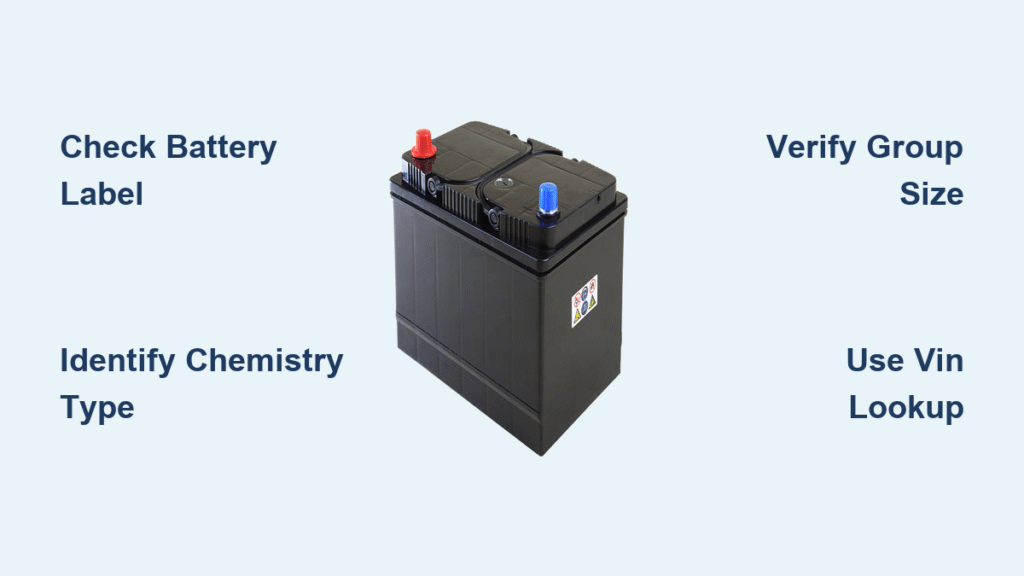
Your car won’t start, the lights are dim, and you’re staring at a confusing mess of cables and a black box under the hood. Before you buy a replacement, you need to know exactly what type of battery powers your vehicle. Choosing the wrong battery type can lead to poor performance, shortened lifespan, or even electrical system damage. This guide walks you through every method to identify your car battery type quickly and accurately, without any guesswork.
Locate Your Battery in Unusual Vehicle Spots
Modern vehicles often hide batteries in unexpected places, making identification challenging. While under the hood remains common, manufacturers increasingly place batteries elsewhere for better weight distribution and safety.
Check these locations in order:
– Front corners under the hood (most common for traditional vehicles)
– Trunk floor or side compartments (common in luxury European brands)
– Under rear seats (especially in compact cars and some SUVs)
– Side panels in cargo areas (frequent in newer Japanese models)
Can’t locate it? Your vehicle handbook contains an exact diagram. Manufacturers always place this information in the specifications or maintenance section, complete with battery removal instructions. For specialty vehicles like motorcycles, boats, or RVs, batteries are typically more accessible but follow the same identification principles.
How to Identify Battery Chemistry from Physical Features
When you’ve found your battery, immediate visual inspection reveals crucial clues about its chemistry type. Each battery technology has distinct physical characteristics that differentiate it from others.
Flooded/Wet Cell Lead-Acid:
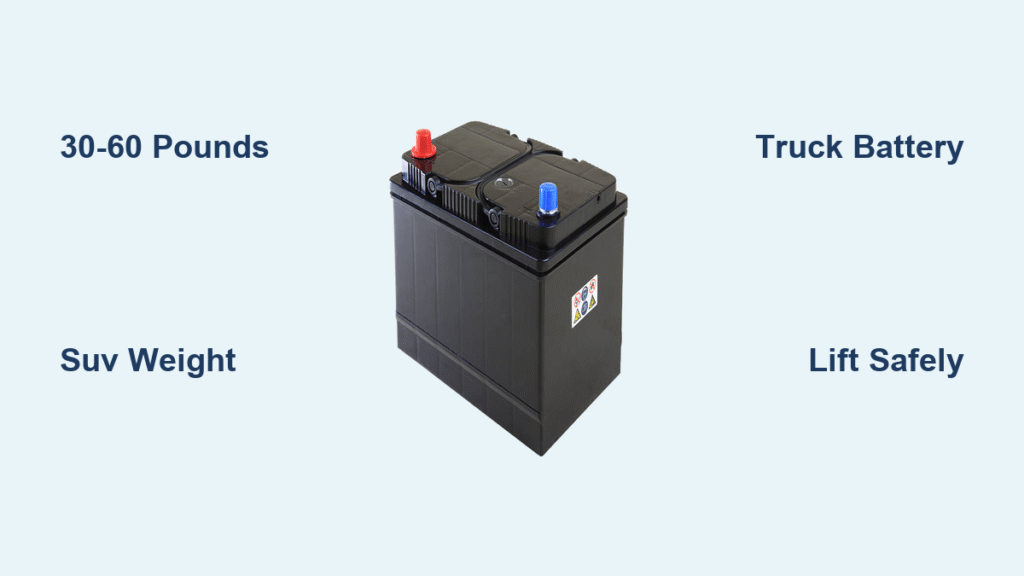
– Heavy weight – typically 20kg+ due to lead construction
– Removable caps – visible plastic caps on top (usually 6)
– Liquid sound – gentle slosh when carefully tilted
– Most affordable option – typically under $100 retail
AGM Batteries:
– “AGM” clearly labeled on case top or sides
– Sealed construction – no removable caps
– Silent when shaken – no liquid movement
– Premium pricing – 40-100% more than flooded
Lithium-ion:
– Dramatically lighter – 4-7kg vs 20kg+ lead-acid
– “Lithium” prominently displayed
– Premium cost – 3-5x more expensive
– Used in EVs or performance applications
Pro tip: Phone flashlight apps reveal hidden markings in dim engine bays. Hold your phone at an angle to catch embossed text that disappears under direct light. Warning: Gel cell batteries are extremely rare in automotive applications. If you suspect gel, double-check labels as most “gel” claims actually refer to AGM.
Decode Critical Battery Specifications

Beyond battery type, specification labels reveal critical compatibility information. Understanding these numbers prevents buying a battery that physically won’t fit or electrically won’t perform.
What Each Number on Your Battery Label Means
Voltage Check:
– 12V – virtually all modern passenger vehicles
– 6V – classic cars and some motorcycles
– 24V – heavy commercial vehicles and some diesel trucks
Group Size Importance:
This number determines physical fitment:
– 24, 24F, 27, 31 – common in passenger vehicles
– 35, 51, 58 – compact and mid-size cars
– 65, 75, 94 – larger vehicles and trucks
Critical Performance Numbers:
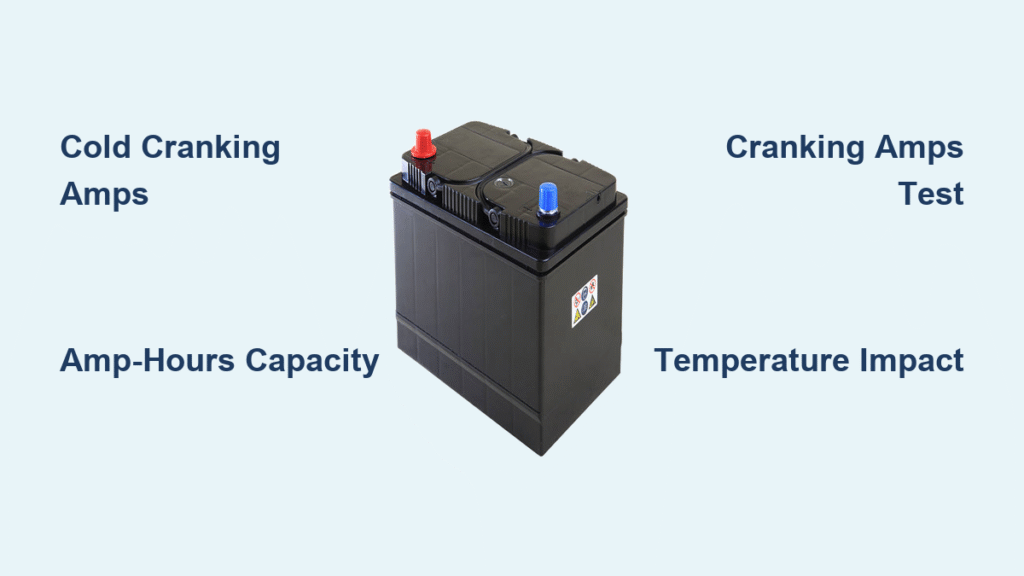
– CCA (Cold Cranking Amps) – starting power in cold weather
– RC (Reserve Capacity) – emergency operation duration
– Ah (Ampere-Hour) – total electrical capacity
Date Code Secrets:
Manufacturers use coded dating systems:
– Round sticker: 8/16 means August 2016 manufacture
– Heat stamp: A5 = January 2015, C6 = March 2016
Access Official Documentation for Definitive Answers
When physical inspection proves inconclusive, official documentation provides definitive answers. Modern vehicles leave digital trails you can follow.
Vehicle-Specific Resources That Identify Battery Type
Owner’s Manual Method:
– Check specifications section for battery type and group size
– Review maintenance schedule for replacement intervals
– Note special requirements like AGM for start-stop systems
Online VIN Lookup:
– Auto parts store websites accept your VIN
– Returns exact battery specifications
– Cross-references original equipment requirements
Manufacturer Resources:
– Battery maker lookup tools (like GS Yuasa finder)
– Vehicle-specific forums with documented cases
– Technical service bulletins for known issues
Pro tip: Save a photo of your battery label to your phone. When you need a replacement years later, you’ll have all specifications ready. This simple step prevents costly mistakes and ensures you get the right battery the first time.
Match Charger Settings to Avoid Permanent Damage
Using the wrong charger setting permanently damages certain battery types. Each chemistry requires specific voltage and current profiles.
Noco Genius Charger Settings Decoded
12V Mode – flooded, gel, EFB, calcium batteries
12V AGM – AGM batteries only (different algorithm)
12V Lithium – lithium-ion or lithium iron phosphate
6V Mode – older vehicles with 6V systems
Charging Algorithm Differences:
– Flooded lead-acid – accepts trickle charging at 13.4-13.6V
– AGM/Gel – requires precise voltage control, no overcharging
– Lithium – must disconnect completely after full charge
– Cold weather – flooded and AGM behave similarly below freezing
Critical warning: Never charge lithium batteries on lead-acid settings. The voltage mismatch causes overheating and potential fire hazards. Charging AGM as flooded results in undercharging (90-95% vs 100%), reducing performance and lifespan.
Plan Smart Replacement Upgrades
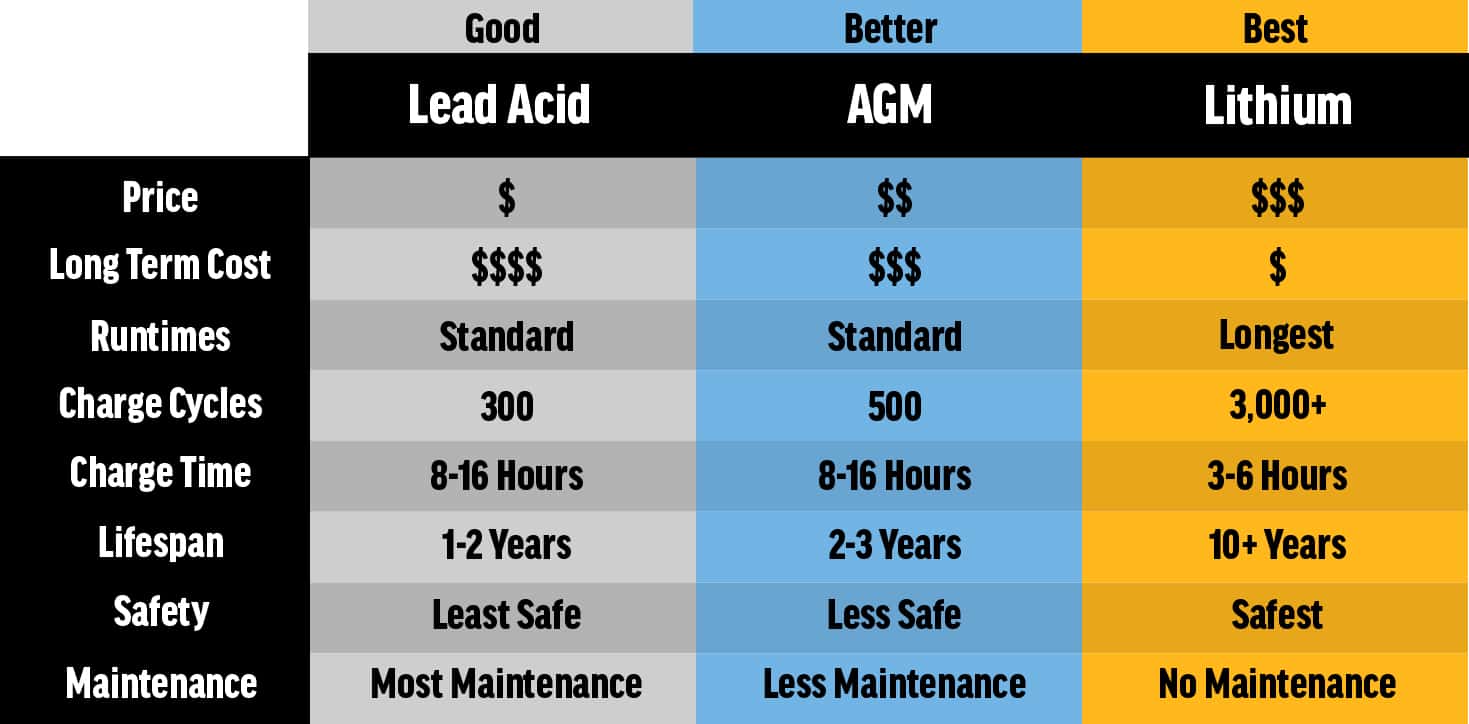
Battery technology evolves, but compatibility rules remain strict. Understanding upgrade paths saves money while ensuring reliability.
When You Can and Can’t Upgrade Battery Types
Direct Replacement Guidelines:
– Factory AGM or Li-ion – must replace with same type
– Factory lead-acid – can upgrade to AGM or EFB
– Start-stop systems – require AGM or EFB minimum
– High electrical loads – AGM recommended for durability
Upgrade Considerations:
– Climate extremes – AGM handles heat better
– Usage patterns – short trips favor AGM’s faster recharge
– Cost analysis – AGM costs more but lasts longer
– Professional consultation – always verify compatibility
Realistic Lifespan Expectations:
– Lead-acid – 3-5 years average
– AGM – 4-6 years with proper care
– Lithium-ion – up to 10+ years
– Climate factors – extreme heat or cold reduces all lifespans
Get Professional Verification Before Replacing
When DIY identification proves challenging, professional resources eliminate guesswork. Most services are free or low-cost.
Where to Get Expert Battery Type Confirmation
Auto Parts Store Services:
– VIN-based lookup – exact battery specifications
– Load testing – confirms battery health before replacement
– Installation – often free with purchase
– Core return – handles old battery disposal
Mechanic Verification:
– System compatibility check – verifies electrical requirements
– Installation complexity – some vehicles require programming
– Warranty considerations – maintains factory coverage
Battery Specialist Benefits:
– Chemistry verification using professional testers
– Performance matching based on your driving habits
– Installation guides for complex battery locations
Money-saving tip: Many auto parts stores will test your current battery for free, potentially saving you from an unnecessary replacement. Ask for a load test that checks both voltage and cranking performance.
Key Takeaway: Identifying your car battery type requires checking multiple sources – physical labels, visual characteristics, official documentation, and when needed, professional verification. Take photos of your current battery’s labels and specifications before shopping for replacements. This 30-second step prevents costly mistakes and ensures you get the right battery the first time.
Next Steps: Once you’ve identified your battery type, check its manufacturing date. If it’s over 3 years old for lead-acid or 4 years for AGM, start monitoring its performance. Keep jumper cables handy and consider professional testing to avoid unexpected failures. For vehicles with start-stop technology, prioritize AGM batteries to ensure reliable performance through frequent engine restarts.